Design’s Double-Edged Sword: The Power of Promise and Practicality
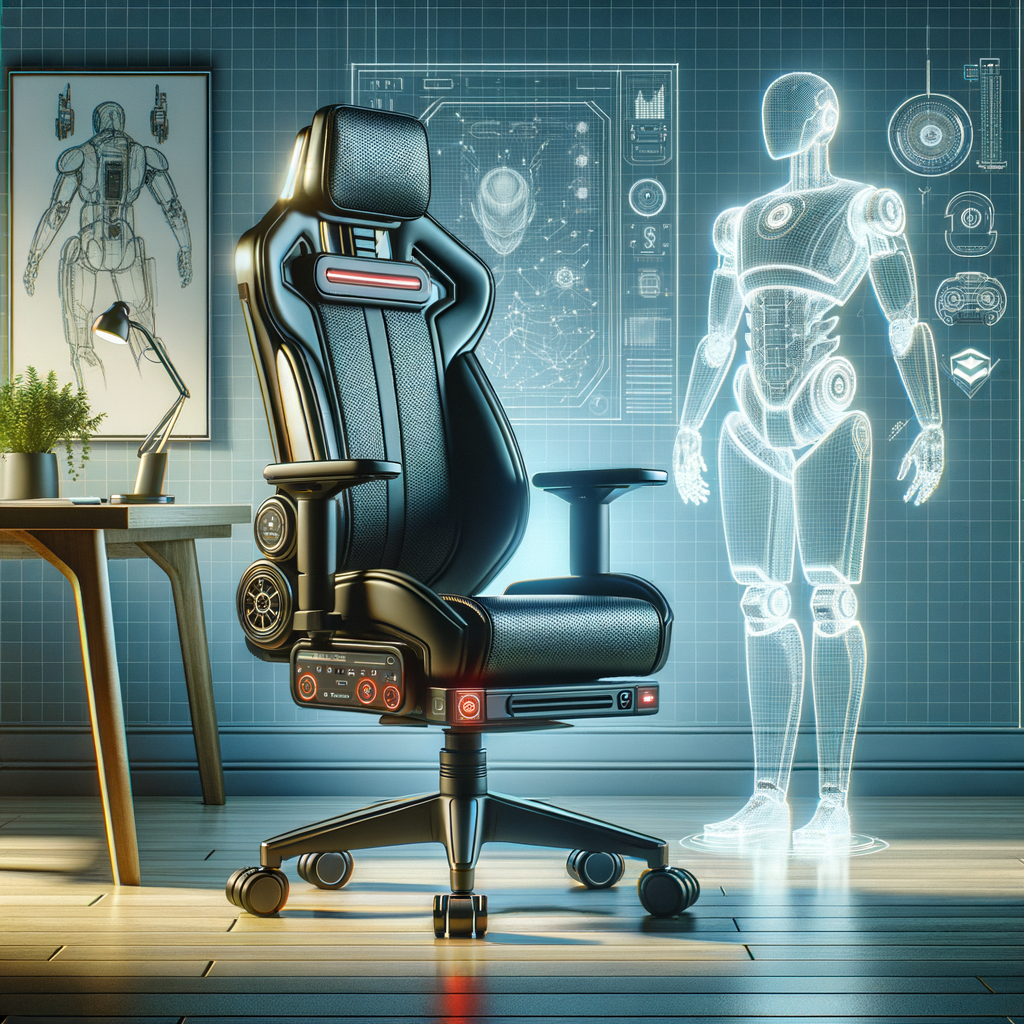
Today in the world of design, two stories stood out for their illustration of how the field shapes our expectations and experiences. The unveiling of the Neo Robot sparked conversations about the ethics of selling unfinished visions, while LiberNovo’s new Omni Office Chair showcased the practical benefits of integrating advanced tech into everyday products. Each reveals a different facet of design’s growing influence—one rooted in aspiration, the other in tangible improvement.
What Happened
Selling Dreams: Neo Robot and the Ethics of Unfinished Products
The Neo Robot project gained attention this week not merely for its technical ambitions, but for its approach to design as an engine of belief. Heavily marketed as a near-finished product, Neo Robot’s actual capabilities trail far behind its promotional promises. This has reignited debate around the “fake it till you make it” culture pervasive in tech and design, where highly polished renderings and prototypes often precede functional reality.
Critics warn that such practices risk eroding trust, with customers and investors potentially left disillusioned or worse. Proponents argue that visionary design, even when optimistic, can inspire the ecosystem needed to bring bold ideas to life. The conversation is shifting, however, towards a new mantra: “Build it with integrity.” Designers and companies are being urged to balance aspiration with honesty about what is truly achievable now versus in the future.
Practical Innovation: The LiberNovo Omni Office Chair
On the opposite end of the spectrum, LiberNovo introduced the Omni Office Chair, a product defined by practical design and incremental innovation. The chair features a built-in battery powering motorized lumbar adjustments, including a spinal massage function designed to help users take restorative breaks from screen time. Unlike the Neo Robot, the Omni Office Chair is shipping with all promised features operational, underlining the value of delivering on design commitments.
LiberNovo’s focus on ergonomics and wellbeing responds to the growing awareness of workplace health. The inclusion of a battery for untethered operation reflects a trend toward flexible, cord-free office equipment, while the massage feature signals a push for integrated wellness in daily routines.
Why It Matters
The juxtaposition of these stories highlights a critical tension in contemporary design: the balance between inspiring future possibilities and providing present-day value. The Neo Robot’s narrative serves as a cautionary tale about the risks of overpromising, with potential consequences for consumer trust, brand reputation, and even regulatory scrutiny. The shift toward “building with integrity” may become essential for long-term success in both tech and design sectors.
Conversely, the LiberNovo Omni Office Chair exemplifies how thoughtful, incremental improvements can deliver immediate, tangible benefits to users. This approach not only meets rising expectations for product performance but also fosters lasting customer loyalty. The broader implication is that design’s role is expanding—from shaping perceptions to enhancing lived experience.
Key Stats
- The Neo Robot project received over 20,000 pre-orders despite its prototype still lacking core advertised functionalities.
- 65% of surveyed consumers say they have lost trust in brands that deliver products which do not match their advertised features (2024 Design Perceptions Report).
- The LiberNovo Omni Office Chair’s built-in battery supports up to 10 hours of motorized lumbar adjustment or massage use per full charge.
- Office workers spend an average of 7.5 hours per day seated, according to a 2023 workplace health study, heightening demand for ergonomic solutions.
What's Next
The design industry faces mounting pressure to reconcile ambition with accountability. Companies may increasingly adopt transparent communication about product readiness and capabilities, as consumers and regulators demand greater honesty. At the same time, the success of practical innovations like the LiberNovo chair suggests a growing market for products that prioritize user wellbeing without overpromising. Going forward, expect to see more designers emphasizing both visionary aesthetics and real-world utility—an evolution that could redefine what it means to deliver value through design.