Decoupling, Digital Frontiers, and Dilemmas: Finance in Flux
Today's financial developments trace major shifts in how wealth is created, managed, and distributed. From tech's changing relationship with labor and capital, to Italy’s embrace of subscription-based digital finance, to the ethical complexities of fintech giving, the sector is in a state of profound transformation.
What Happened
The Great Decoupling of Labor and Capital
In a change of editorial plan, attention shifts from Microsoft’s earnings to the broader, more enduring story of labor and capital decoupling. Nearly 20 years ago, Hewlett-Packard broke through the $100 billion annual revenue mark, setting a precedent for scale in the tech sector. Since then, technology companies have continued to post extraordinary revenues while employing a proportionally smaller workforce. This divergence highlights how capital—software, IP, and financial assets—has increasingly driven growth, rather than traditional labor.
Italia in Abbonamento: The Subscription Revolution
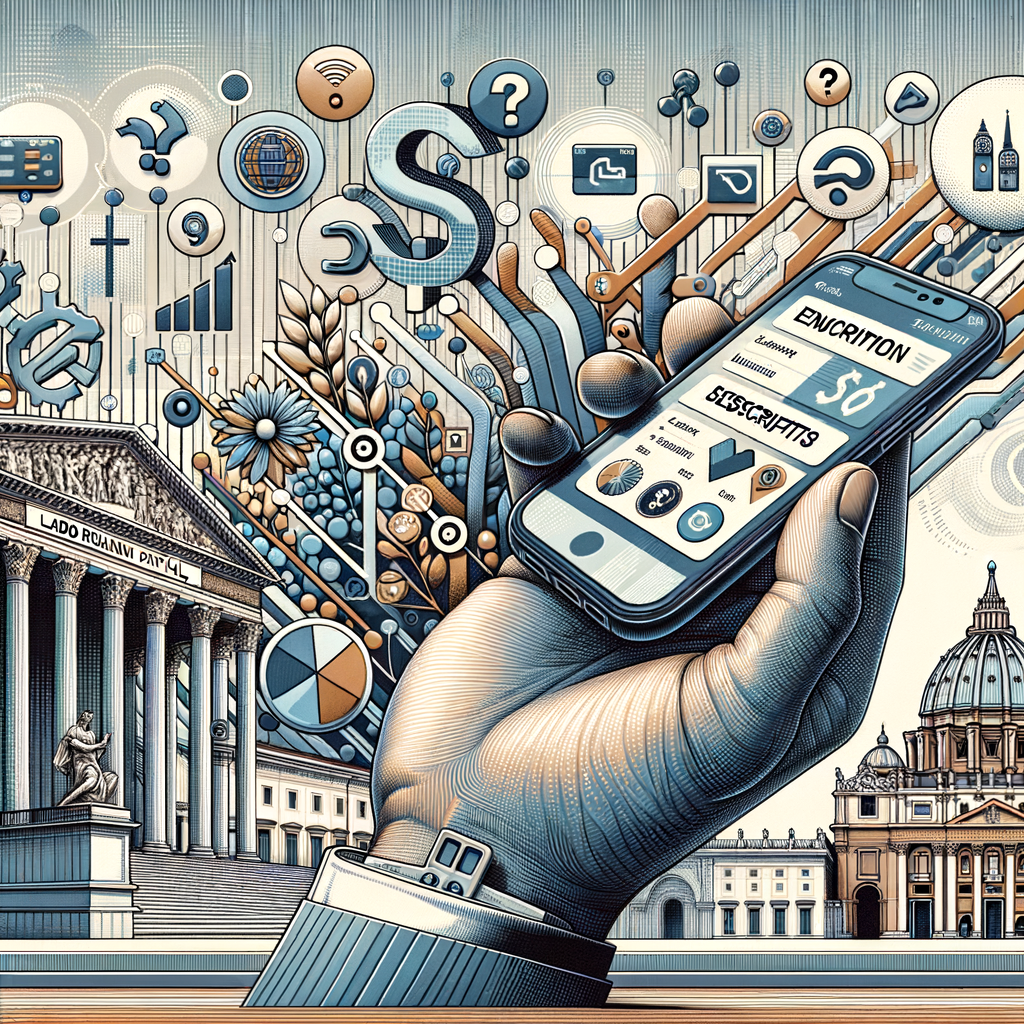
Italy is experiencing a surge in digital finance subscriptions. From personal budgeting tools to automated investing, the Italian market is rapidly adopting “abbonamento” (subscription) models. This approach is reshaping consumer behavior, bringing both convenience and new challenges. While digital management tools promise enhanced control over finances, they also raise concerns about digital literacy and recurring costs for consumers.
Fintech Philanthropy: The Propel Dilemma
A personal decision to donate to Propel’s campaign supporting SNAP (Supplemental Nutrition Assistance Program) recipients shines a light on fintech’s growing role in social welfare. Propel, through its app, helps people manage their benefits and access additional resources. However, such donations also serve as marketing for the app, raising questions about the intersection of charity and business. The uneasy feeling stems from this duality: supporting a social cause while potentially promoting fintech products to vulnerable populations.
Why It Matters
Each of these stories signals a shift in finance’s underlying dynamics. The decoupling of labor and capital challenges long-held assumptions about employment and value creation, prompting urgent questions about economic equity and the future of work. Italy’s digital subscription boom reflects a broader global move toward recurring-revenue models, with implications for both consumers and the financial services industry. Meanwhile, the Propel case illustrates how fintech is blurring the lines between social good and for-profit enterprise, raising ethical concerns about the commercialization of welfare.
Key Stats
- In 2007, Hewlett-Packard became the first tech company to surpass $100 billion in annual revenue, marking a new era for tech scale.
- The number of Italian consumers using digital finance subscriptions has doubled over the past two years, according to industry reports.
- Propel’s campaign directly targets SNAP recipients, a population that numbered over 41 million Americans in 2024.
- Subscription-based financial tools in Italy now account for an estimated 15% of all digital finance app downloads in the country.
What's Next
Expect the decoupling of labor and capital to continue reshaping the tech sector, with ripple effects for jobs, wages, and investment strategies. In Italy, the subscription model’s expansion will likely prompt regulatory scrutiny and consumer education initiatives. Meanwhile, the intersection of fintech and social welfare will demand greater transparency and accountability, as companies navigate the fine line between service and self-promotion. The evolving landscape underscores the need for thoughtful policy and ethical debate as finance enters new digital frontiers.