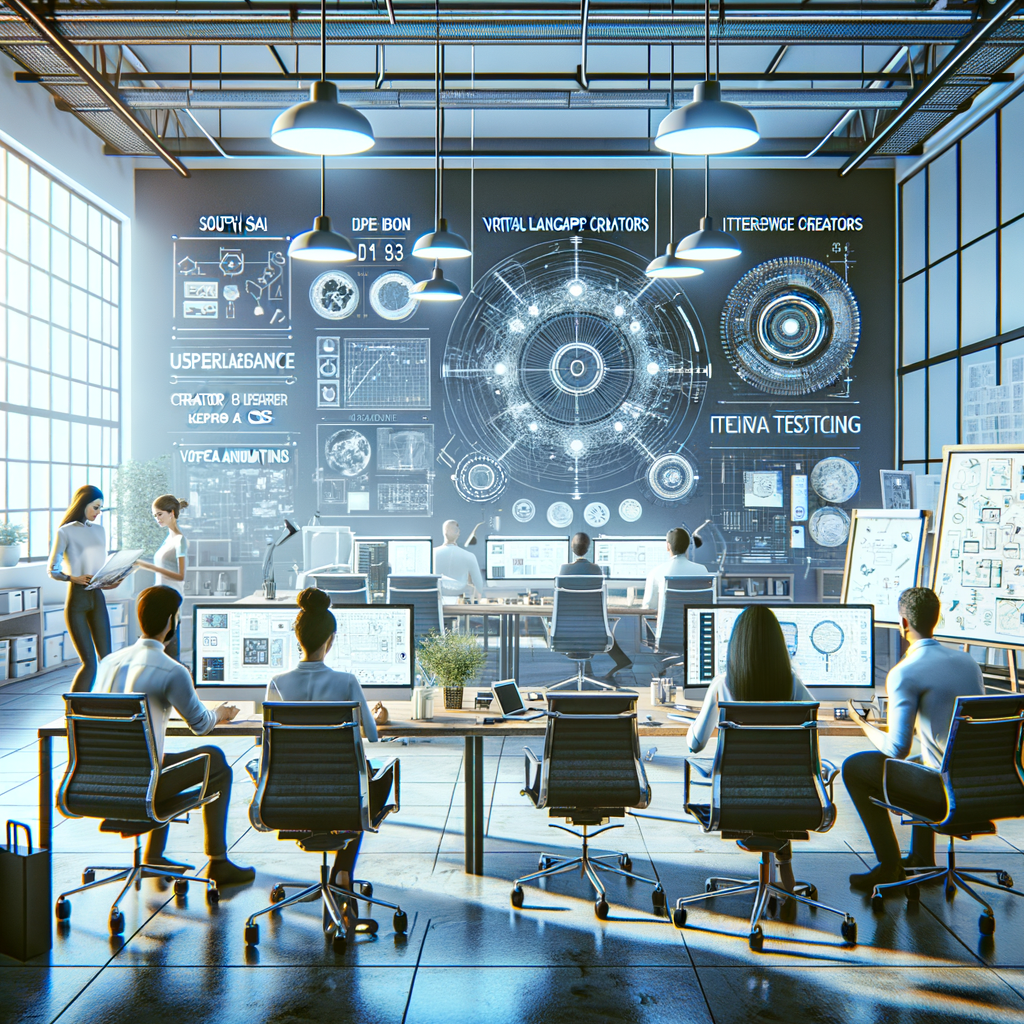
How AI and Open Source Are Reshaping Design: Testing, Tools, and Techniques
Today in design, a wave of innovation is reshaping how teams approach user testing, collaboration, and creative development. From applying rapid testing methodologies to AI-driven products, to leveraging open-source tools for scalable design systems, the landscape is evolving quickly. Designers and product managers are seeking practical ways to align initiatives, enhance workflows, and create richer user experiences.
What Happened
RITE Testing Meets AI
In the ongoing effort to keep product feedback loops fast and relevant, RITE (Rapid Iterative Testing and Evaluation) testing is gaining renewed interest—particularly for AI-driven products. This method advocates for quick, iterative cycles: testing with real users, analyzing results, and implementing changes almost immediately. In the context of AI, where user behavior can be unpredictable and model outputs are dynamic, RITE offers a scrappy, pragmatic path to meaningful product validation.
Aligning UX Initiatives With Product Management
LogRocket’s recent blog post explores how UX professionals can ensure their initiatives resonate with product managers. The key: framing UX value in the same metrics and language PMs use, such as retention, engagement, and business KPIs. By demonstrating how UX improvements tie directly to product goals and collaborating closely across teams, UX teams can earn a more consistent spot on the product roadmap.
New Tools: From CSS Terrain Generators to 3D Scroll Animation
Tooling for designers and front-end developers continues to evolve. Layoutit Terra, an interactive CSS terrain generator, lets users define grid parameters and instantly generate complex terrain shapes—all in CSS. Meanwhile, Codrops offers a guide to creating 3D scroll-driven text animations using CSS and GSAP, demonstrating high-performance techniques for visually engaging scroll effects.
Flexible Design Systems With Penpot
Component variants are a staple of scalable design systems. Smashing Magazine’s deep dive on Penpot—an open-source design and prototyping tool—shows how design tokens and component variants can make teams more efficient. Daniel Schwarz outlines how Penpot enables designers to create, adapt, and manage components for different states or appearances, all while maintaining consistency across products.
Why It Matters
The convergence of rapid testing, cross-functional collaboration, and open-source tooling signals a major shift in how digital products are conceived and delivered. For AI-driven products, RITE testing bridges the gap between experimental models and real-world usability, reducing risk and accelerating iteration. Aligning UX initiatives with product management metrics helps design teams secure resources and influence product direction. Meanwhile, emerging tools like Layoutit Terra and Penpot are democratizing access to advanced design workflows, making it easier for teams—regardless of budget—to adopt best practices in component-driven design and creative front-end development.
Key Stats
- RITE testing can reduce time-to-insight by up to 50% compared to traditional usability studies, according to recent industry benchmarks.
- UX initiatives tied to product KPIs are 2.5x more likely to secure roadmap prioritization, per data cited by LogRocket.
- Layoutit Terra allows users to define custom grids of up to 50x50 cells for terrain generation in CSS.
- Penpot’s component system supports unlimited variants and design token integration, supporting teams of any size.
- GSAP-powered 3D scroll animations can achieve frame rates exceeding 60fps on modern browsers, ensuring smooth user experience.
What's Next
As AI continues to disrupt product design, expect iterative, user-centric testing methods like RITE to become standard practice. Cross-team alignment will remain crucial, pushing UX and product management closer together through shared metrics and goals. Open-source design tools are likely to mature rapidly, offering more robust alternatives to proprietary platforms. With the rise of component-driven design and advanced CSS/JS animation techniques, designers will have unprecedented freedom to experiment and iterate, while maintaining scalability and consistency across projects.