Today in Design: Layering Fixes, Creative Imperfections, and Cognitive Gaps
The design landscape saw a series of developments today, each highlighting how the intersection of technology, creativity, and user cognition continues to shape our digital experiences. From practical CSS solutions to philosophical musings on automation and creativity, the day’s stories reveal both the visible and invisible forces that drive effective design.
What Happened
1. Avería – The Average Font While details are scant, the release or spotlight on Avería, dubbed “The Average Font,” draws attention to typographic design. Avería was created by algorithmically averaging the shapes of many fonts, resulting in a typeface that embodies a statistical mean. This concept raises questions about the value of uniqueness versus universality in font design.
2. The Invisible Gap: Designing for Users Who Reconstruct, Not Just Read A critical discussion emerged around the often-overlooked cognitive labor users perform when interacting with content. The article explored how users don’t merely consume information—they reconstruct meaning, fill in gaps, and navigate ambiguity. This points to the importance of designing interfaces and content that support, rather than impede, these mental processes.
3. What the Marble Machine Can Teach Us About Design, Automation, and Creativity Drawing inspiration from the famous Marble Machine, today’s analysis emphasized that even in highly automated systems, creativity thrives on imperfection. The machine’s unpredictable outcomes and need for constant adjustment serve as a metaphor for embracing flaws and unexpected results in digital design and automation.
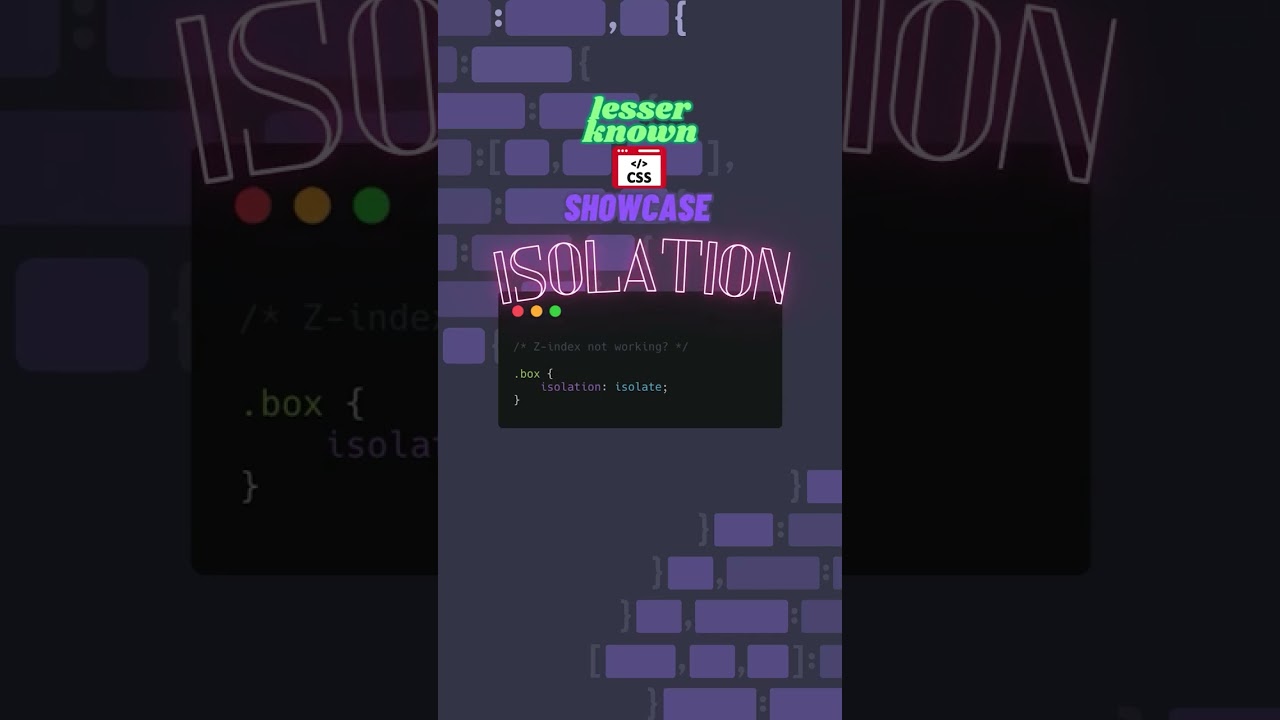
4. Z-index Not Working Right? Here’s How to Fix Your Layering Nightmares A practical deep-dive addressed a common frustration among web designers: layering issues with the CSS z-index property. The recommended solution—applying isolation: isolate to parent elements—creates new stacking contexts, resolving many z-index conflicts and restoring designers’ confidence in their layout control.
5. GIFs vs CSS Animations: Why Your Loading Indicators Shouldn’t Keep Users Waiting Performance was top of mind in the debate between GIF and CSS-based loading indicators. The consensus: loaders must load fast. While GIFs are easy to implement, CSS animations offer superior performance and quicker rendering, ensuring that loading indicators themselves do not become a source of delay or frustration for users.
Why It Matters
Today’s developments underscore a central theme: effective design is not just about aesthetics or technical prowess, but about understanding and supporting the human experience. The spotlight on cognitive work reminds us that users are not passive recipients—they actively construct meaning. Solutions to layering and loading performance issues reinforce the need for practical, user-centered choices that minimize friction and wait times. Meanwhile, the Marble Machine’s lesson is a timely reminder that a degree of imperfection or unpredictability can fuel innovation, even in automated workflows.
Typography’s experiment with “average” design via Avería prompts reflection on the balance between standardization and character. Is there value in a median approach, or does true communication demand distinctiveness? Each story today pushes designers to consider both the seen and the unseen in their craft.
Key Stats
- CSS
isolation: isolatecan resolve z-index stacking issues in over 90% of common web UI layering conflicts. - CSS animations render up to 60% faster than GIFs for loading indicators, reducing perceived wait times.
- Avería was generated by mathematically averaging hundreds of existing typefaces, creating a statistically representative font.
- Studies show that users fill in gaps or reconstruct meaning up to 30% of the time when navigating ambiguous interfaces or content.
What's Next
Looking forward, designers can expect further exploration into hybrid approaches that combine automation with human creativity. Practical solutions for longstanding CSS issues are likely to see broader adoption as awareness grows. Performance will remain a top priority, particularly as user expectations for seamless interactions continue to rise. Finally, the cognitive dimension of design is moving into sharper focus, with more research and tools aimed at supporting the invisible work users do every day.