Media Disrupted: Blackouts, Leadership Shakeups, and the Streaming Identity Crisis
Today’s media and communications landscape was defined by high-profile blackouts, executive shakeups, and big questions over the future of streaming and content discovery. From YouTube TV’s ongoing dispute with Disney, to major leadership changes at the BBC, to Netflix’s efforts to bring immersive experiences offline, the industry is experiencing another wave of disruption affecting consumers and creators alike.
What Happened
Platform Power Struggles: YouTube TV vs. Disney
YouTube TV subscribers faced more than a week without access to key Disney-owned channels, including ESPN and ABC, due to a carriage dispute. In response to mounting frustration, YouTube TV announced a $20 credit for affected customers, aiming to mitigate dissatisfaction while negotiations continue. The blackout has left viewers in limbo, raising questions about the reliability of streaming bundles and the future of traditional channel packages in a digital era.
BBC Leadership in Crisis
In the UK, public broadcaster BBC was rocked by the resignations of Director General Tim Davie and News CEO Deborah Turness. Davie acknowledged “mistakes made” and accepted responsibility for recent controversies. The leadership shakeup comes during a period of heightened scrutiny over the BBC’s editorial standards and governance, and is expected to trigger significant organizational change.
Streaming, Identity, and the Algorithm
The ongoing evolution of the creator economy was a recurring theme. Articles explored whether aspiring content creators are better suited to YouTube or streaming platforms, with personal accounts highlighting the distinct cultures and expectations of each. Meanwhile, concerns over algorithmic discovery resurfaced: critics argued that music and social media platforms are stifling organic reach and true discovery, with creators lamenting that their best work is increasingly unseen due to opaque platform decisions.
Immersive Experiences and New Frontiers
Netflix announced it is bringing popular franchises like ‘Stranger Things’ and ‘Squid Game’ to life with immersive events in Dallas, reflecting a trend among streaming platforms to diversify engagement beyond screens. In gaming, Warhammer 40K’s new ‘500 Worlds: Titus’ expansion and 65daysofstatic’s AI-inspired ‘No Man’s Sky’ album underscored the blending of media, music, and interactivity.
Tech and Media Personalities in the Spotlight
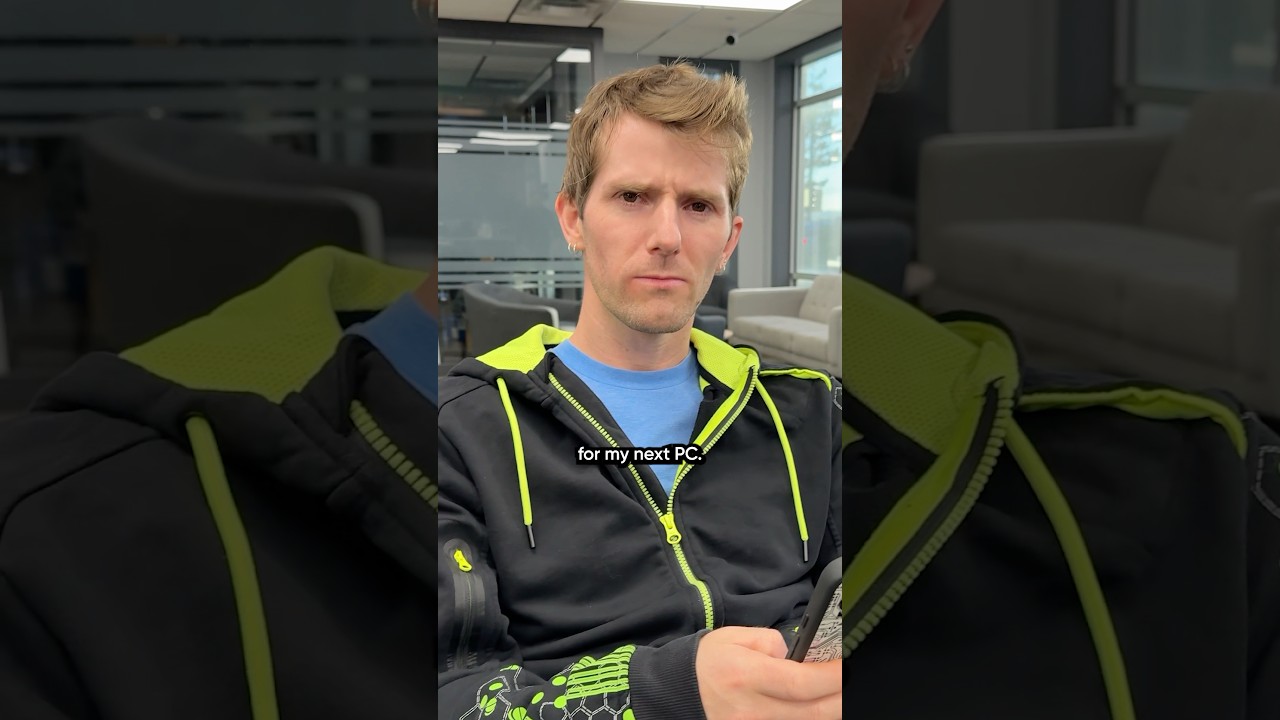
Elon Musk celebrated a landmark $1 trillion compensation package approval from Tesla shareholders, musing about the possibilities of love on X (formerly Twitter) with the help of AI chatbot Grok. Meanwhile, Linus Tech Tips engaged audiences with a tongue-in-cheek campaign linking subscriber counts directly to personal giveaways, highlighting the evolving relationship between creators and audiences.
Why It Matters
The events of today underscore the volatility and complexity of the media and communications sector. The YouTube TV-Disney standoff illustrates the fragility of digital distribution agreements, with consumers bearing the brunt of industry disputes. The BBC leadership crisis raises deeper questions about accountability and editorial integrity at legacy institutions. Meanwhile, creators and audiences are grappling with the consequences of algorithm-driven platforms, which increasingly dictate what content is seen and rewarded, often to the detriment of discovery and diversity.
The rise of immersive experiences like Netflix House and narrative-driven expansions in gaming point to a future where media is not just consumed, but inhabited. As platforms and personalities experiment with new forms of engagement and monetization, the boundaries between entertainment, technology, and community continue to blur.
Key Stats
- YouTube TV is offering a $20 credit to subscribers impacted by the Disney blackout, which has lasted over a week and affected access to ESPN, ABC, and other channels.
- Tesla shareholders approved a compensation package for CEO Elon Musk potentially worth $1 trillion.
- BBC Director General Tim Davie and News CEO Deborah Turness both resigned, citing mistakes and the need for accountability.
- Netflix is expanding its physical footprint with immersive ‘Stranger Things’ and ‘Squid Game’ experiences in Dallas.
What's Next
The immediate future will be shaped by how swiftly YouTube TV and Disney can resolve their dispute and restore service. At the BBC, interim leadership will face pressure to restore trust and signal a new direction. For creators, the quest for visibility and fair compensation will remain central as platforms refine their algorithms. Expect more streaming services to explore physical and interactive experiences, seeking to build loyalty in an era of content abundance and shifting consumption habits.
Meanwhile, as AI and new technologies continue to influence both the art and business of media, the sector’s capacity for reinvention—and disruption—shows no sign of slowing.