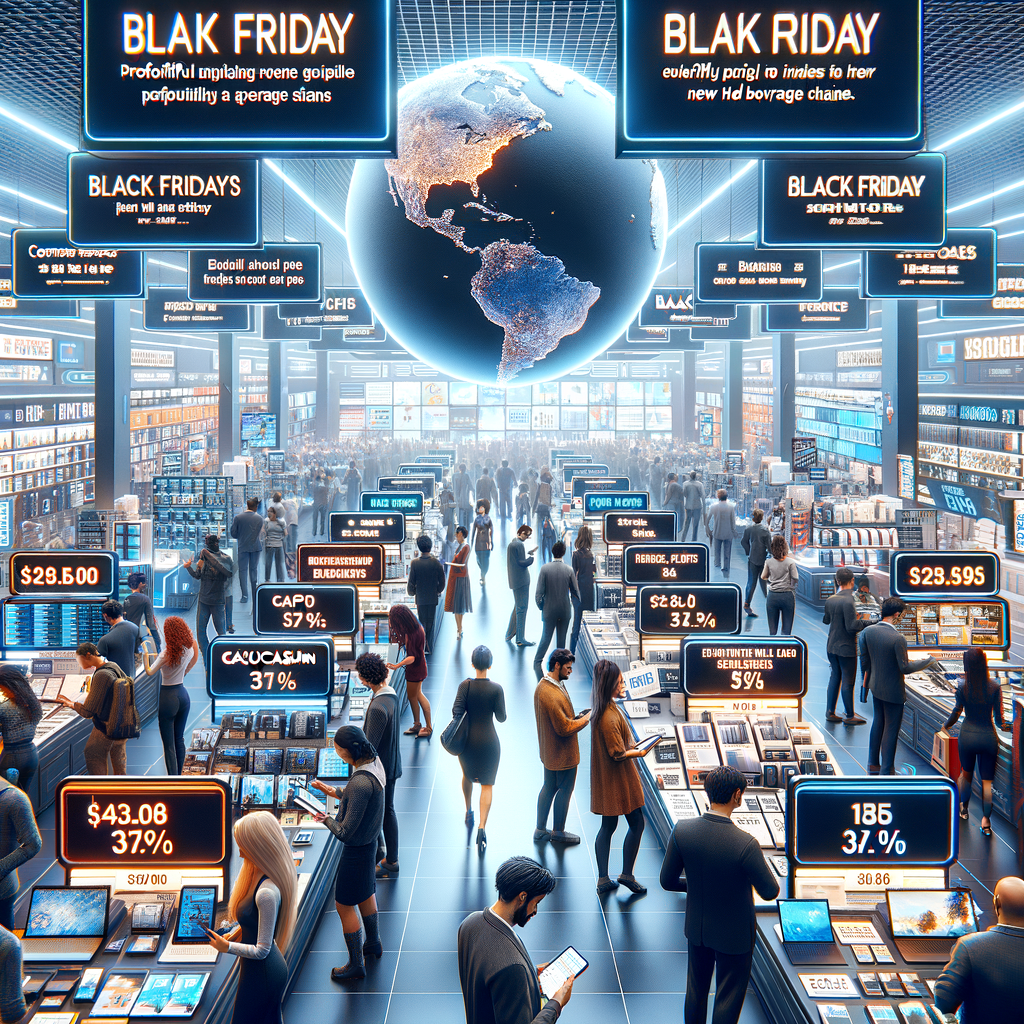
Black Friday Kicks Off Early, Global Competition Escalates: Key Business Moves on November 14, 2025
Today in business, major US retailers ignited the holiday shopping season with sweeping early Black Friday sales, global tech and beverage companies faced major legal and competitive shifts, and the startup world served up its usual blend of innovation and absurdity. From a landmark legal ruling against Google in Germany to the arrival of new beverage chains challenging established players, the day was marked by a clear intensification of global business competition and consumer activity.
What Happened
Holiday Shopping Heats Up Best Buy and Walmart officially launched their Black Friday sales weeks ahead of the traditional date. Best Buy’s early holiday discounts include significant savings on electronics such as TVs, earbuds, and Apple AirTags (four for $80). Walmart’s event features up to 60% off select products, including AirPods, laptops, and a $1,300 discount on large Samsung TVs. Both retailers are leveraging these head starts to capture consumer dollars in a high-stakes holiday season.
Global Tech and Legal Battles On the international front, Google suffered a major setback when a German court ordered the company to pay €572 million ($665.6 million) for abusing its dominant position in the price comparison sector, a decision with significant ramifications for its European operations. Meanwhile in the US, the tech sector is closely watching the outcome of a Supreme Court case on Trump-era tariffs; if the Court rules against the tariffs, companies could face complicated and potentially messy refund processes.
AI and Market Volatility Oracle experienced a sharper decline than its tech peers in the latest Wall Street sell-off, as investors grew wary of its heavy borrowing and reliance on OpenAI-related contracts. Despite market volatility, India’s Pine Labs made a strong public debut, rising 14% on its first trading day—even after a valuation cut.
New Competitors Hit US Shores Chinese beverage chains such as Luckin Coffee and Chagee are expanding rapidly in the US, offering visually striking drinks and digital-first ordering experiences. Their aggressive expansion is directly challenging Starbucks’ market dominance and could reshape US coffee culture.
Startup Realities and Sales Team Challenges A viral story highlighted the sometimes-surreal world of AI startups: one company, now valued at $1 billion, admitted its original product was two people acting as an AI, surviving on pizza. Meanwhile, business leaders are grappling with “business sprawl”—the fragmentation of tools and processes that can bog down sales teams and reduce productivity.
Why It Matters
The early launch of Black Friday deals by major retailers underscores the highly competitive nature of US retail, as companies seek to maximize share in a season increasingly shaped by inflation and evolving consumer habits. Google’s legal defeat in Germany is a reminder that regulatory pressure on big tech continues to build globally, potentially affecting other markets and sectors. The expansion of Chinese beverage brands signals a new phase of global brand competition, with US incumbents facing challenges on both product and digital experience fronts. Meanwhile, the tech sector’s volatility and the realities behind AI startups serve as cautionary tales about hype versus substance. Finally, the focus on “business sprawl” reflects broader concerns about operational efficiency in a fragmented digital workplace.
Key Stats
- Best Buy is offering four Apple AirTags for $80 as part of its early Black Friday sale.
- Walmart’s Black Friday event includes discounts up to 60%, with some Samsung TVs marked down by over $1,300.
- A German court has fined Google €572 million ($665.6 million) for antitrust violations in the price comparison sector.
- Pine Labs’ $440 million IPO in India surged 14% on its debut, despite a reduced valuation.
- Oracle’s stock declined more than its tech peers amid concerns over its $28 billion AI investments and reliance on OpenAI contracts.
What’s Next
As the holiday shopping season ramps up, expect further escalation in price competition among US retailers, with more aggressive promotions and earlier sales. Regulatory scrutiny of tech giants is likely to intensify both in Europe and the US, with potential ripple effects for other sectors. The rise of Chinese consumer brands in the US market could accelerate, prompting established companies to innovate or adapt. In the startup space, investors and customers alike may demand greater transparency and substance over hype. Finally, businesses will continue to seek solutions for operational fragmentation, as efficiency becomes a key differentiator in a crowded marketplace.