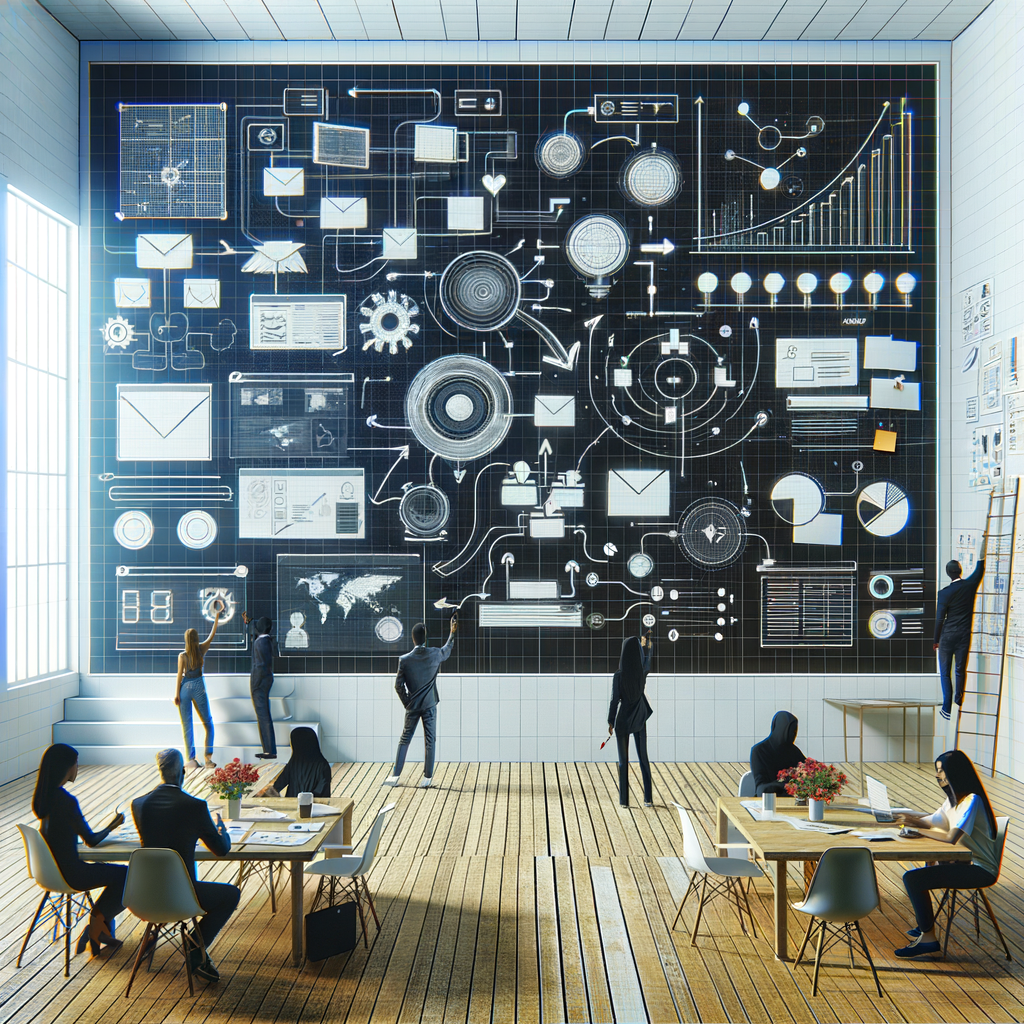
Excalidraw Sets a New Standard for Collaborative Whiteboarding in Design
Design professionals and teams are continually searching for tools that enhance creativity and streamline collaboration. Today, the spotlight is on Excalidraw, a browser-based virtual whiteboard platform that has rapidly become a favorite among designers for its intuitive interface, real-time collaboration, and distinctive hand-drawn style. The tool is reshaping how teams think, plan, and iterate—whether they are in the same room or distributed across continents.
What Happened
The latest developments in Excalidraw highlight its maturation from a simple sketching tool into a robust platform for collaborative ideation and design. The software allows multiple users to sketch diagrams, wireframes, and process flows simultaneously. Its standout feature is the hand-drawn look, which encourages freeform thinking and reduces the intimidation that often comes with more polished or rigid diagramming tools.
Excalidraw’s real-time collaboration is powered by seamless WebRTC and websocket technologies, ensuring low-latency interaction even as team members join from various locations. The platform supports essential features such as version history, commenting, and easy image export, enabling teams to integrate their whiteboard sessions into broader design and development workflows.
Another key development is the growing ecosystem around Excalidraw. Open-source extensions and integrations with tools like Slack, Notion, and Figma have made it easier for designers to incorporate visual brainstorming directly into their existing processes. The platform’s commitment to privacy and security—offering end-to-end encryption for collaborative sessions—has also contributed to its adoption, particularly among privacy-conscious organizations.
Why It Matters
Excalidraw addresses a persistent challenge in digital design: how to replicate the spontaneity and fluidity of a physical whiteboard session in a remote or hybrid work environment. Traditional digital diagramming tools often produce polished but rigid visuals that can stifle creativity in the early stages of ideation. By emphasizing a hand-drawn aesthetic and low barrier to entry, Excalidraw fosters a more inclusive and dynamic creative process.
Its collaborative features are particularly significant as design teams become more distributed. The ability to co-create in real time helps reduce misunderstandings, accelerates decision-making, and keeps all stakeholders aligned. Furthermore, the open-source nature of Excalidraw ensures transparency and adaptability, allowing organizations to customize the tool for their specific needs.
The platform’s growing integration ecosystem is another important factor. By connecting with the tools designers already use daily, Excalidraw minimizes workflow disruptions and makes it easier to move from brainstorming to execution. As privacy becomes an increasingly critical concern in digital collaboration, Excalidraw’s security features set it apart from many competitors.
Key Stats
- Over 200,000 weekly active users leverage Excalidraw for collaborative whiteboarding sessions.
- Documents can be exported in SVG and PNG formats, supporting seamless sharing and integration.
- The Excalidraw open-source repository has surpassed 35,000 stars on GitHub, highlighting strong community engagement.
- Real-time collaboration supports up to 100 participants per session, with end-to-end encrypted connections.
- Over 50 third-party plugins and integrations are now available, extending functionality across popular productivity platforms.
What's Next
Looking ahead, Excalidraw is positioned to further expand its role in the collaborative design landscape. Planned features include enhanced support for mobile devices, deeper integration with leading project management tools, and more advanced permissions for enterprise users. As remote and hybrid work arrangements become the norm, expect Excalidraw to continue evolving in response to feedback from its active open-source community.
In the broader context, Excalidraw’s success signals a shift toward more informal, inclusive, and secure collaboration tools in the design industry. As teams look for ways to foster creativity while maintaining productivity and security, platforms like Excalidraw are likely to set the tone for future innovations in digital teamwork.