From Pet Mishaps to Planet-Friendly Solutions: Textile Recycling Gets a Boost
Today in Lifestyle & Wellbeing, a relatable household disaster led to the discovery of an innovative textile recycling solution. As many people grapple with what to do with old, damaged bedding and clothing, a mail-order recycling program offers a sustainable alternative—and even rewards participants in the process.
What Happened
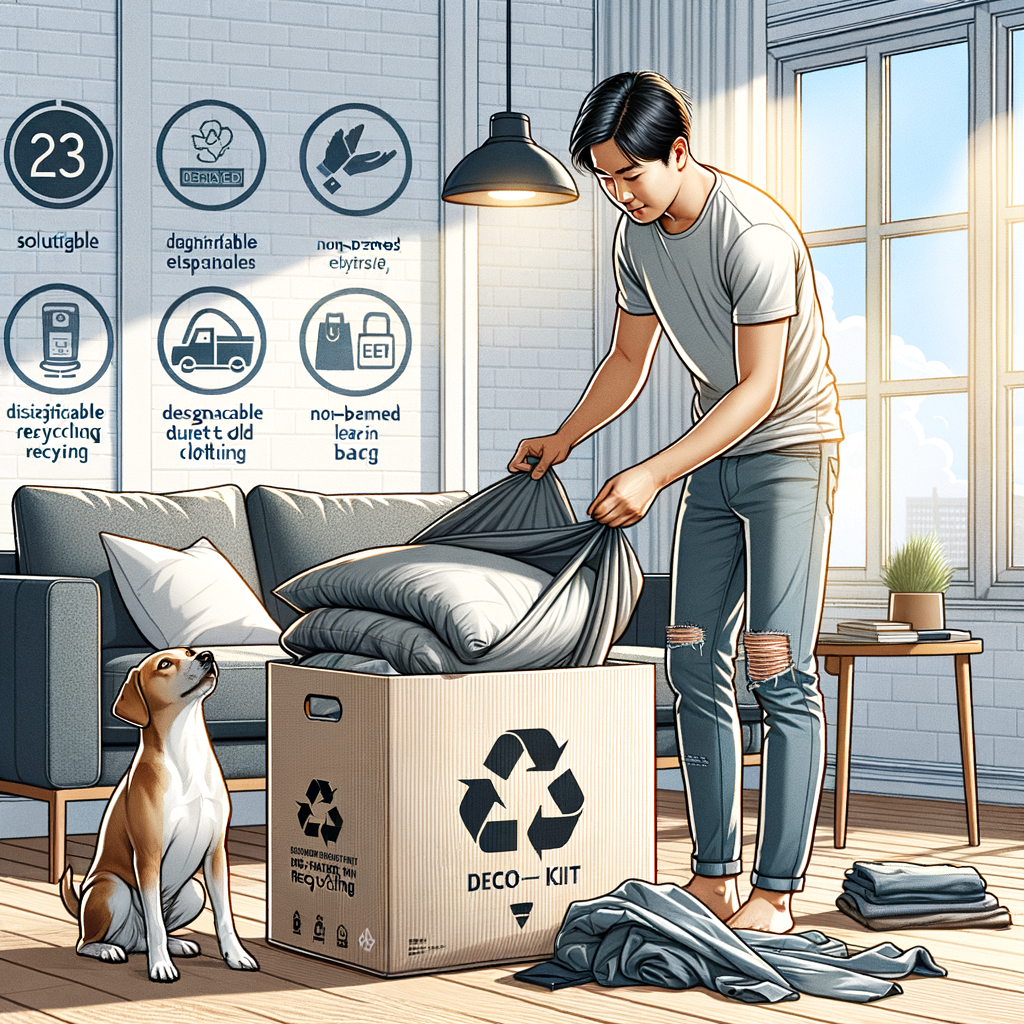
It’s a scenario familiar to many pet owners: returning home to find a favorite duvet chewed and torn, beyond repair or donation. Traditionally, worn-out textiles like these end up in landfill, as most donation centers cannot accept heavily damaged or soiled items. However, a new mail-order recycling service has emerged, providing a way to responsibly dispose of textiles and even small electronics, regardless of their condition.
The service allows users to collect old fabrics—such as clothing, towels, bedding, and even worn-out shoes—pack them in a provided bag, and mail them to a recycling facility. Notably, the program also accepts e-waste items like old chargers or headphones, broadening its impact. In return, users earn points for each shipment, which can be redeemed for discounts or donations to environmental causes.
Key features of the program include:
- Simple online sign-up and shipping kit request.
- Acceptance of all textile types, regardless of damage or wear.
- Integration of e-waste collection for small electronics.
- A points-based rewards system to incentivize participation.
This approach addresses a common pain point for households: the uncertainty around what to do with used items that are not suitable for resale or donation, while offering a direct environmental benefit and tangible incentives.
Why It Matters
Textile waste is an escalating environmental concern. According to the EPA, millions of tons of textiles end up in landfills each year, contributing to greenhouse gas emissions and resource depletion. Most municipal recycling programs do not accept textiles, leaving consumers with few responsible options for disposal.
The mail-order recycling service bridges this gap by making textile recycling accessible and rewarding. By accepting even damaged items, it diverts materials from landfill and supports the creation of recycled fibers and new products. The inclusion of e-waste collection further addresses another major waste stream, reducing the prevalence of hazardous materials in the environment.
This development reflects a broader trend toward circular economy solutions, where materials are kept in use for as long as possible. It also encourages individuals to adopt more sustainable disposal habits, aligning with growing consumer interest in environmental responsibility.
Key Stats
- The EPA estimates that over 11 million tons of textile waste are sent to U.S. landfills annually.
- Less than 15% of discarded textiles are recycled or reused nationwide.
- The featured recycling program accepts up to 20 pounds of textiles per shipment.
- Participants can earn up to 500 reward points per shipment, redeemable for discounts or charitable donations.
What's Next
As awareness of textile and e-waste recycling grows, similar programs are likely to expand nationally and internationally. Future developments may include partnerships with retailers, more localized drop-off options, and the integration of digital tracking for materials sent through the program. For consumers, the adoption of such services represents a practical step toward reducing household waste and supporting broader sustainability goals.
The evolution of recycling programs will depend on continued consumer engagement and investment in recycling infrastructure. For now, turning a household mishap—like a pet-damaged duvet—into an opportunity for impact is a promising sign that sustainable solutions are within reach for everyday life.