Fandom, Fakery, and File-Sharing: How Media & Communications Are Evolving
Today’s media and communications landscape is a study in contrasts and evolution. From the rising influence of internet fandoms in real-world politics to the proliferation of AI-generated media, and a look back at how file-sharing culture paved the way for modern digital journalism, the boundaries between culture, technology, and communication have never been more porous. Here’s a look at the key developments making headlines on November 17, 2025.
What Happened
The Power of Fandom in Politics
A recent episode of WIRED’s “Uncanny Valley” podcast spotlighted how online communities are increasingly shaping the outcomes of major political events. This week’s discussion dissected the results of the US November elections, pointing to several races where organized fandoms—groups that originated around shared interests in pop culture, sports, or specific internet forums—mobilized voters, amplified messaging, and in some cases, swung outcomes. The episode also touched on controversial moves by tech leaders, notably Mark Zuckerberg’s establishment of an unauthorized “school,” which has sparked debates over tech’s encroachment into public education. Meanwhile, Nepal’s youth are leveraging Discord to build new forms of political and social engagement, underscoring the globalization of internet-native community organizing.
AI Content: Faking Reality
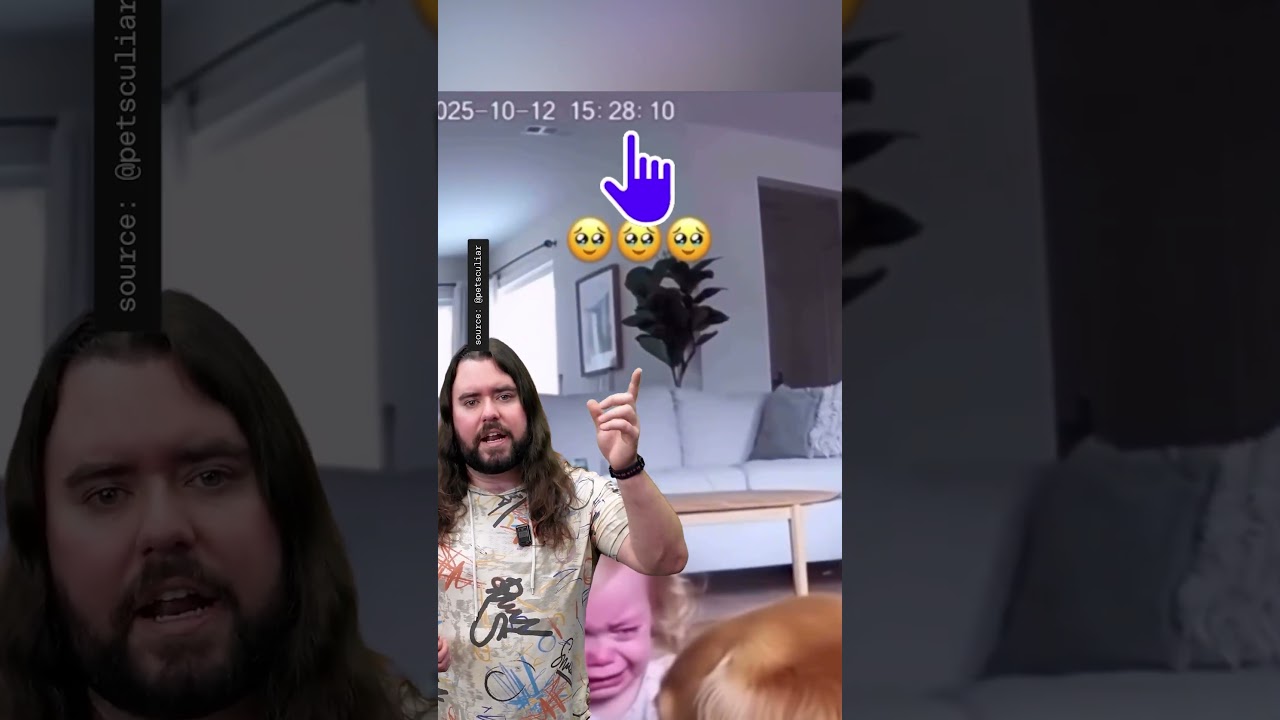
A separate feature examined the increasingly sophisticated efforts by AI content creators to make their videos indistinguishable from reality. With AI-generated babies, faces, and scenarios now populating social feeds, content accounts are employing advanced rendering techniques, real-time voice synthesis, and subtle imperfections to pass off AI creations as genuine footage. These developments raise concerns about audience deception, misinformation, and the limits of detection tools, especially as AI-generated media becomes more affordable and accessible.
The Legacy of Software Piracy
On the latest episode of The Verge’s “Version History” podcast, Nilay Patel and Sarah Jeong discussed the foundational role that software piracy—via platforms like Napster and LimeWire—played in shaping today’s digital media environment. They argue that the widespread distribution of digital content through unauthorized means not only democratized access but also forced traditional media and journalism to reinvent themselves. For The Verge and similar outlets, the era of file-sharing was a proving ground for new models of content creation, distribution, and audience engagement.
Why It Matters
The convergence of fandom, AI, and the legacy of file-sharing signals a transformed media ecosystem where power is decentralized and the line between creator, consumer, and influencer is increasingly blurred. Online fandoms are no longer confined to the cultural fringes—they are a potent political force capable of mobilizing real-world action. Meanwhile, the rise of AI-generated content challenges our ability to discern fact from fiction, threatening trust in media at a foundational level. Finally, understanding the history of software piracy reveals how disruption and democratization are recurring themes in media evolution, with each technological leap rewriting the rules of engagement for both producers and audiences.
Key Stats
- In the US November elections, online fandoms were directly linked to increased voter turnout in at least three major races, according to WIRED.
- AI-generated video content on major social platforms has seen a 200% increase year-over-year, according to industry analytics cited by The Verge.
- Napster and LimeWire, at their peak, facilitated the sharing of over 2 billion files per month globally.
- Discord now hosts over 150 million active users worldwide, with a significant uptick in political and civic engagement servers in countries like Nepal.
What's Next
Looking ahead, expect continued integration of online community dynamics into mainstream politics, with both opportunities and challenges for democratic participation. The proliferation of AI-generated media will likely drive new regulatory and technical efforts to detect and label synthetic content, but the arms race between creators and detectors is far from settled. Meanwhile, the lessons of the file-sharing era will inform ongoing debates over digital rights, copyright, and the future of journalism. Media organizations will need to balance innovation with credibility as they navigate this rapidly shifting landscape.