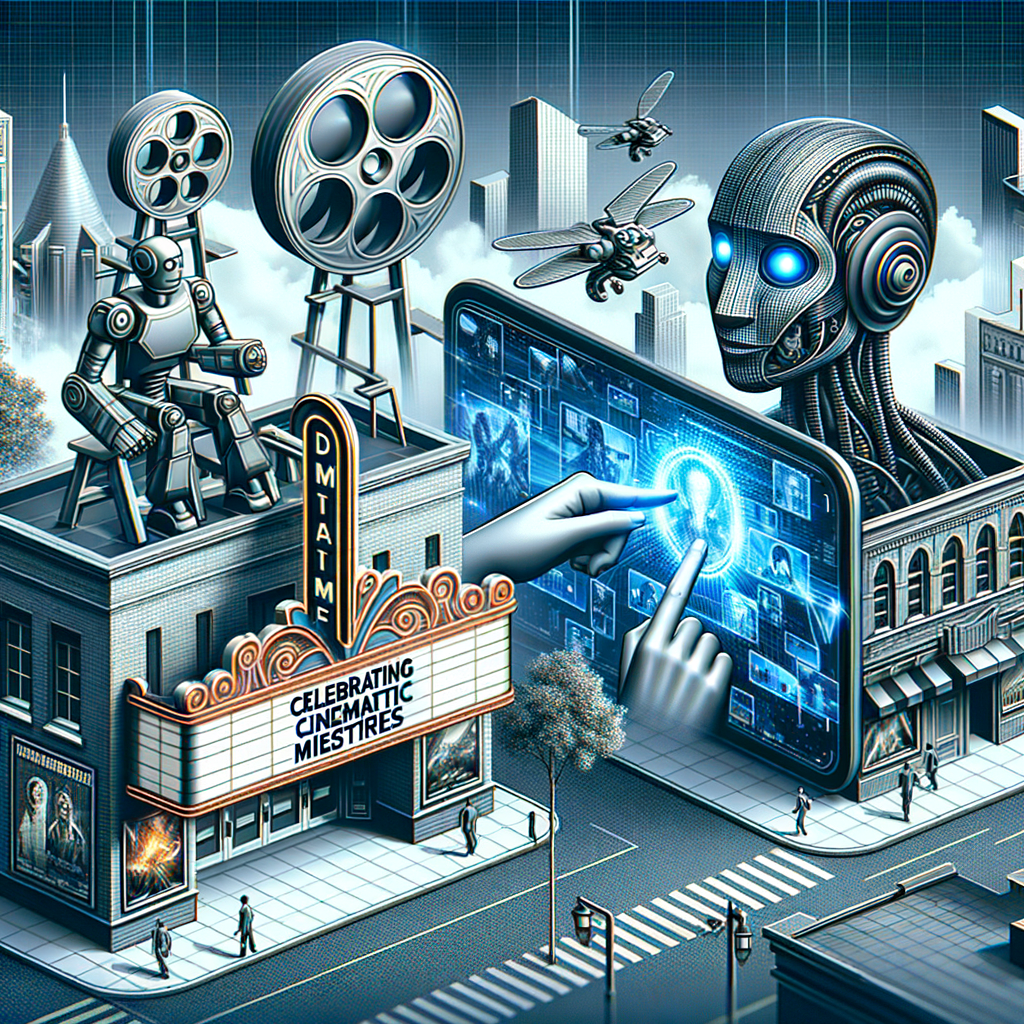
Hollywood in Flux: Netflix-Warner Bros. Deal, AI Influencers, and the Return of the Rings
The media and communications landscape experienced a day of remarkable developments, from seismic corporate shakeups to cultural milestones and the continued intersection of technology and entertainment. Streaming’s future looms larger than ever, while iconic franchises and new forms of digital artistry make headlines. Here’s what you need to know about today’s top stories.
What Happened
Netflix's Acquisition of Warner Bros. Sends Shockwaves
The most consequential news arrived with Netflix’s announcement of its $82.7 billion acquisition of Warner Bros. The deal, still pending regulatory approval, sent Hollywood into “full-blown panic mode,” with insiders calling it “possibly a death blow to theatrical filmmaking” and even “the end of Hollywood” as we know it. Industry reaction was overwhelmingly negative, with both creative professionals and viewers expressing concerns about reduced competition, fewer theatrical releases, and the long-term impact on film quality and diversity. The deal underscores the streaming giant’s ambition to dominate the entertainment landscape but raises questions about the future of traditional studios and cinemas.
Legacy Franchises Reignite Nostalgia
In a more celebratory vein, the 25th anniversary of the first 'Lord of the Rings' film is being marked by next month’s theatrical re-release of the extended trilogy editions. This event caters to fans eager to relive Peter Jackson’s epic on the big screen, potentially signaling studios’ continued interest in leveraging nostalgia for box office returns. Similarly, anime favorite 'Trigun' is set for a revival with the 'Trigun Stargaze' trailer, promising the return of beloved characters and old rivalries in January.
Streaming and User Experience
Elsewhere, streaming services continue to tweak user experiences. A simple setting change dramatically improved the sports viewing experience on YouTube TV for some, demonstrating how small technical adjustments can have outsized impacts on audience satisfaction. Meanwhile, Spotify Wrapped returned for 2025, with numerous platforms attempting to mimic its personalized year-in-review concept, highlighting the growing importance of data-driven engagement.
Technology and Influence
The convergence of AI and online influence is also making waves. Digital creator Jeremy Carrasco is leading efforts to spread AI literacy, even as the rise of AI-generated “creators” starts to disrupt traditional influencer economies. In a related development, controversial streamer IShowSpeed faces legal action for allegedly assaulting the viral humanoid robot Rizzbot, showcasing the complex intersections of creator culture, robotics, and accountability.
Art, Culture, and the Unpredictable
Art and technology collided as renowned digital artist Beeple (Mike Winkelmann) sold a $100,000 robot dog artwork—featuring his own face alongside Elon Musk and Picasso—demonstrating the continued blurring of boundaries between digital art, celebrity, and commerce. Meanwhile, the annual Microsoft Christmas sweater contest kept tech culture lighthearted, and 'Mad Men’s' special effects foreman revealed he still hasn’t seen the infamous 4K remaster.
Why It Matters
Today’s developments reflect both the disruptive power and the volatility of the media and communications sector. The Netflix-Warner Bros. merger could reshape the competitive landscape, potentially diminishing the role of traditional studios and further concentrating creative control. The backlash underscores widespread apprehension about media consolidation and the erosion of cinematic diversity. At the same time, the resurgence of cultural touchstones like 'Lord of the Rings' illustrates how nostalgia remains a potent commercial force.
Meanwhile, the rise of AI influencers and high-profile legal disputes involving digital personalities and robotics point to a rapidly evolving creator economy where boundaries between human and machine, virtual and real, are increasingly porous. User experience innovations and the popularity of personalized digital content highlight the intensifying competition for attention in a crowded market.
Key Stats
- Netflix’s Warner Bros. acquisition is valued at $82.7 billion.
- The re-release of the 'Lord of the Rings' extended trilogy marks the 25th anniversary of the original film.
- Beeple’s robot dog artwork sold for $100,000, featuring his likeness with Elon Musk and Picasso.
- Spotify Wrapped’s annual release continues to inspire copycats across major music and media platforms.
- IShowSpeed faces legal consequences after an incident with the viral humanoid robot Rizzbot.
What's Next
As regulatory review of the Netflix-Warner Bros. deal proceeds, expect intense lobbying from both industry insiders and consumer advocates. The fate of theatrical filmmaking hangs in the balance, with theaters and independent studios watching closely. Meanwhile, the entertainment industry will continue to mine nostalgia while experimenting with new forms of interactive and AI-driven content. The ongoing blurring of lines between technology, art, and influence suggests that the coming year will bring even more unpredictable shifts in how we create, share, and consume media.