From CSS Constraints to Celebrity UX Critiques: Design’s Diverse Day
Today's design landscape offered an eclectic mix of insight, innovation, and unexpected celebrity involvement. From ongoing debates about the very foundations of web styling to the favorite creative tools of a professional modelmaker, and a high-profile critique of Apple’s user experience from Justin Bieber, each story provided a unique view on how design continues to shape—and be shaped by—the world around us.
What Happened
Should CSS be Constraints?
The web design community is revisiting a perennial question: should Cascading Style Sheets (CSS) act as hard constraints, dictating strict boundaries for layout and behavior? While the article’s full summary wasn’t available, the topic itself highlights renewed interest in how designers and developers balance creative freedom with consistent, predictable user experiences. The debate centers on whether CSS should serve as a flexible toolkit or a set of non-negotiable rules, impacting the evolution of responsive and accessible web design.
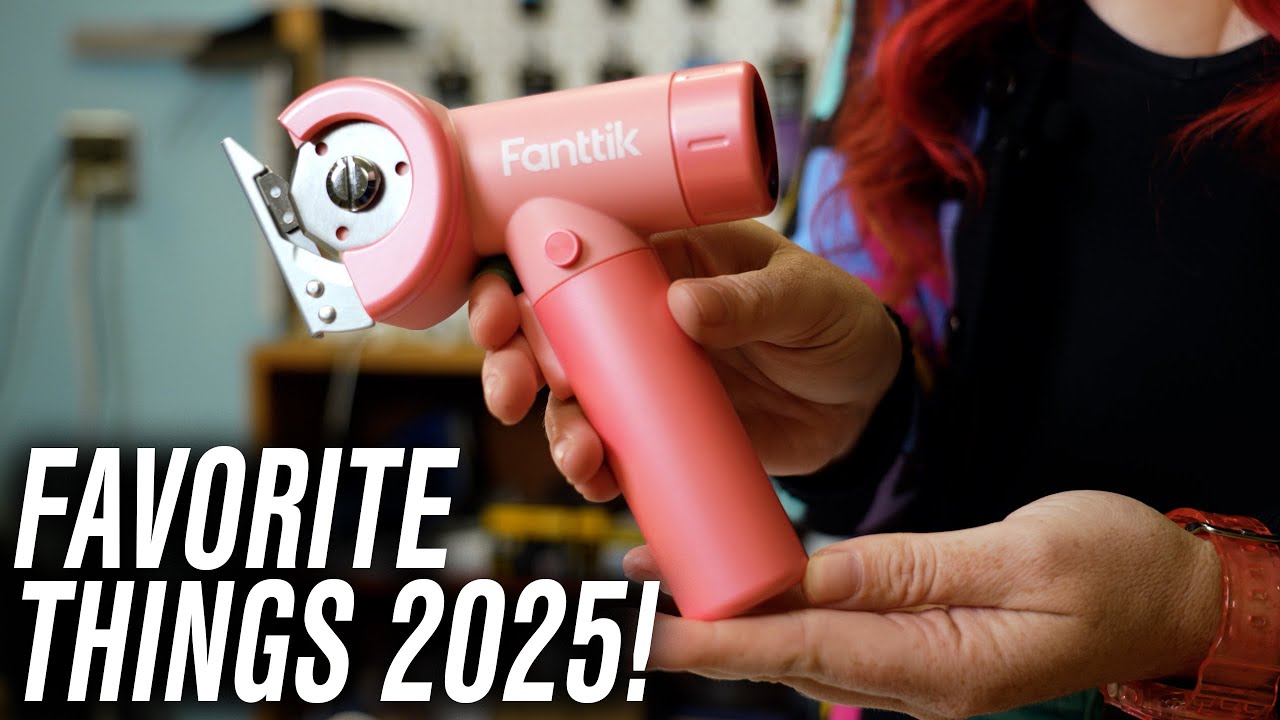
Tested in 2025: Kayte’s Favorite Things
Kayte Sabicer, a creator renowned for her modelmaking, costume builds, and painting, shared her top tools from 2025. Her list includes:
- Fanttik C8 Cordless Electric Scissors: For precise, portable cutting tasks.
- Paint Puck CollapsiBowl Paint Brush Cleaner: Designed to streamline cleanup for painters.
- OLFA Precision Hobby Craft Knife: A staple for detailed, accurate cuts.
- Tubinoone Engraving Pen: For custom engravings on various materials.
- Craighill Chroma Scissors: High-quality, visually striking scissors for everyday and specialized tasks.
Kayte’s recommendations are backed by hands-on experience in her studio, offering practical insight for both professionals and hobbyists. The video, shot and edited by Joey Fameli, is available on the Tested Team YouTube channel, and includes affiliate links for viewers interested in the featured products.
Justin Bieber’s UX Critique of Apple Messages
In an unexpected intersection of pop culture and user experience design, Justin Bieber publicly criticized Apple’s Messages app. Frustrated by persistent UX issues, Bieber threatened—tongue firmly in cheek—to place everyone at Apple in a “rear naked choke hold” unless improvements are made. The viral moment underscores how high-profile voices can amplify longstanding user frustrations, drawing wider attention to design pain points even outside traditional tech circles.
Why It Matters
The convergence of these stories demonstrates the far-reaching impact of design decisions. The CSS constraints debate is more than technical minutiae—it influences web accessibility, maintainability, and creativity. Kayte’s practical tool recommendations highlight how thoughtful product design can enable creativity and efficiency, directly affecting the day-to-day experience of makers. Meanwhile, Bieber’s public critique of Apple’s UX exemplifies how design shortcomings can resonate far beyond the immediate user base, potentially shaping product roadmaps in response to public outcry. Today’s developments remind us that design is both a technical and cultural force, affecting how people work, create, and communicate.
Key Stats
- 5 standout tools featured in Kayte’s 2025 list, spanning cutting, cleaning, and engraving equipment.
- Over 8 different ways to connect with the Tested Team, including YouTube, Instagram, and Discord.
- 1 major celebrity—Justin Bieber—publicly calling out Apple’s UX, drawing attention from millions of fans.
- 3 main themes in today’s design coverage: foundational web standards, creative toolkits, and user experience critique.
What’s Next
Expect continued debate over the role of constraints in CSS, especially as web platforms push for more robust, accessible, and performant interfaces. Makers and designers will likely keep sharing tool recommendations, supporting a growing ecosystem of products designed for creative professionals. On the consumer tech front, celebrity feedback like Bieber’s may prompt companies like Apple to publicly address UX issues or accelerate improvements. As design’s influence expands, the dialogue will increasingly reflect both the technical and human aspects of creating digital experiences.