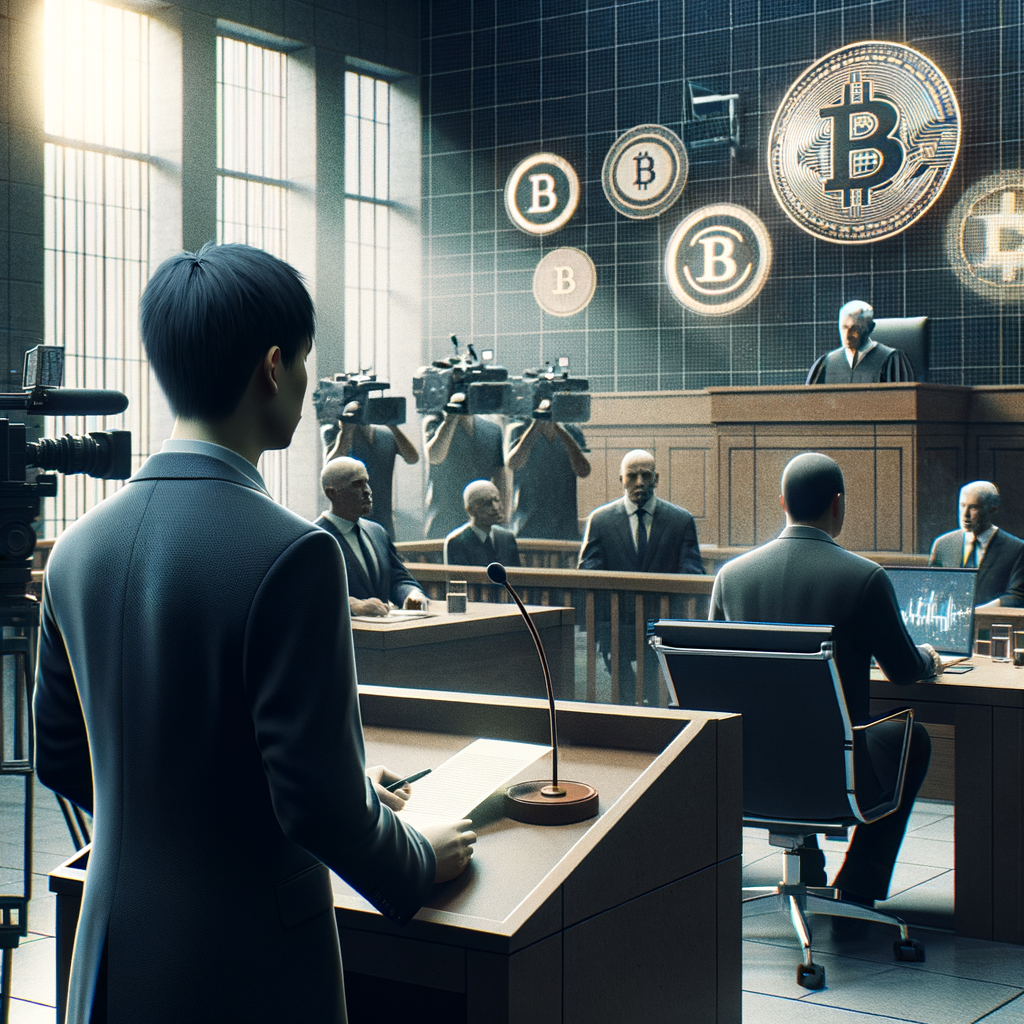
Do Kwon Sentenced to 15 Years: Crypto's Reckoning Continues
Finance headlines today are dominated by the sentencing of Do Kwon, the once-celebrated founder of Terraform Labs, who received a 15-year prison term for orchestrating what a judge described as a fraud of "epic, generational scale." The verdict marks a significant chapter in the ongoing legal reckoning facing the cryptocurrency sector and underscores intensifying regulatory scrutiny worldwide.
What Happened
Do Kwon, the South Korean entrepreneur behind Terraform Labs and the infamous stablecoin TerraUSD (UST), was sentenced to 15 years in prison after being convicted on multiple counts of fraud and securities violations. The collapse of TerraUSD and its sister token Luna in May 2022 wiped out over $40 billion in investor wealth, sending shockwaves through both retail and institutional crypto markets.
During his trial, prosecutors argued that Kwon had misled investors about the stability and backing of TerraUSD, which was marketed as an "algorithmic stablecoin" pegged to the US dollar. Court documents revealed internal communications indicating Kwon was aware of the system's vulnerabilities long before its collapse. The judge, in delivering the sentence, emphasized the scale of deception and the intergenerational financial harm inflicted by the scheme.
The verdict comes amid a broader regulatory crackdown on crypto fraud, following high-profile cases such as the FTX and Celsius collapses. Lawmakers in several jurisdictions have cited Terra's failure as a catalyst for tighter rules governing digital assets and stablecoins, with ongoing investigations into other actors in the sector.
Why It Matters
Do Kwon's sentencing has far-reaching implications for the cryptocurrency industry, investors, and regulatory bodies. First, it signals that legal authorities are willing and able to pursue high-profile actors in crypto, debunking the notion that the space operates beyond the reach of traditional law. Second, the case renews questions about the viability and transparency of algorithmic stablecoins, which rely on code-based mechanisms rather than physical reserves.
For investors, the verdict serves as a stark reminder of the risks associated with poorly regulated markets and the importance of due diligence. For the industry, it underscores the need to rebuild trust and adopt robust compliance frameworks. Regulators may use this case as precedent to pursue further action, potentially accelerating the development and enforcement of global crypto regulations.
Key Stats
- Over $40 billion in investor wealth was lost in the TerraUSD/Luna collapse in May 2022.
- Do Kwon received a 15-year prison sentence for fraud and securities violations.
- The Terra ecosystem's failure directly contributed to broader crypto market declines throughout 2022.
- Regulatory investigations into stablecoins increased by more than 50% globally following the collapse.
What's Next
The sentencing of Do Kwon is likely only the beginning of a new era of accountability in crypto. Authorities are expected to intensify their scrutiny of stablecoins and other digital assets, with new regulatory frameworks imminent in major markets. Crypto firms, especially those dealing in stablecoins, will face heightened compliance demands and pressure to provide greater transparency. Investors can anticipate more rigorous due diligence protocols and, potentially, a shift toward more tightly regulated digital assets. Meanwhile, legal actions against other prominent figures in the sector may follow, continuing to reshape the regulatory and reputational landscape of global finance.