Rediscovering Control: Offline Music Libraries and High-Tech Home Energy Savings
Today in Lifestyle & Wellbeing, two personal experiments highlight how technology can empower us to take greater control over our daily lives. From reviving the joys of an offline music library to using a smartphone’s thermal camera to slash energy bills, these stories demonstrate the impact of mixing old-school ownership with new digital tools.
What Happened
Rebuilding an Offline Music Library
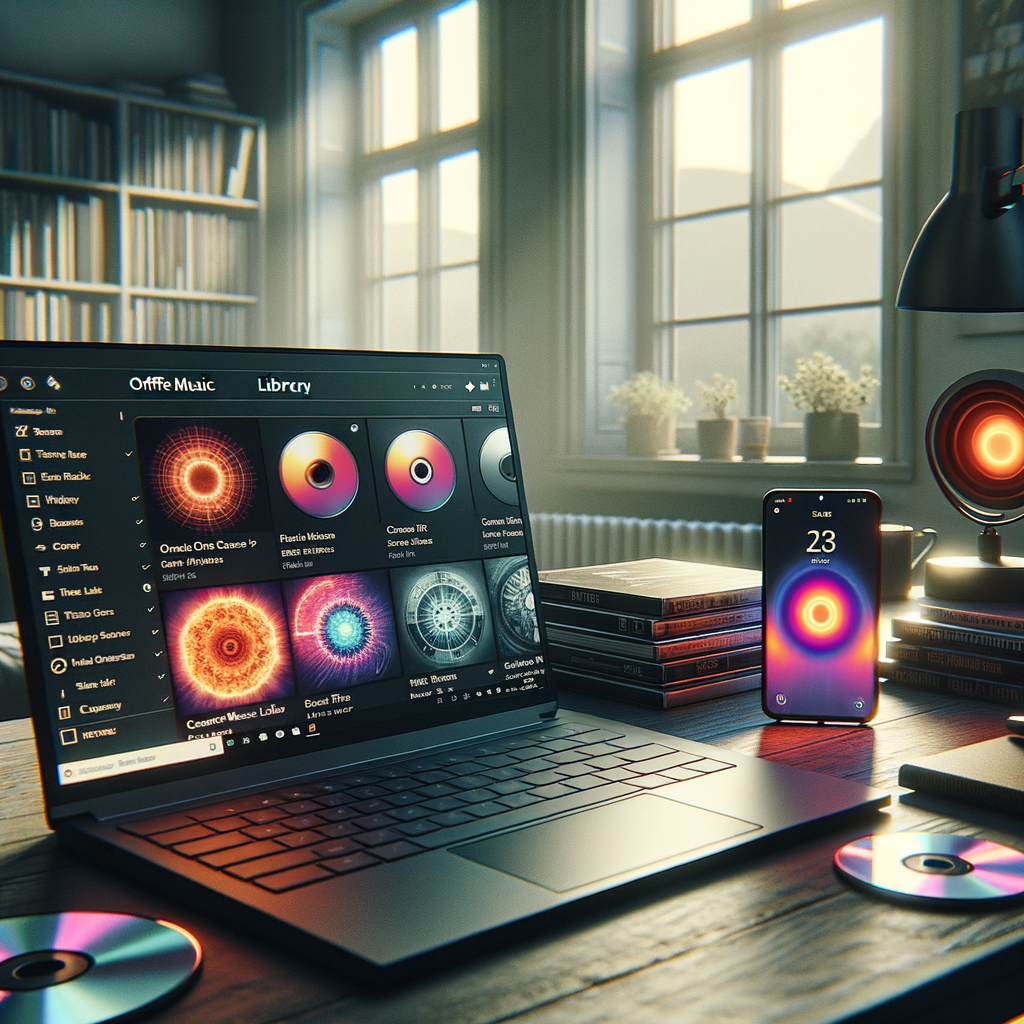
A tech enthusiast set out to rebuild a personal, offline music collection, finding that with the right sources and apps, owning music files can offer a superior experience compared to streaming. By sourcing MP3s and FLAC files from legitimate outlets and leveraging modern music management apps, the author achieved a setup that offered higher audio quality, zero interruptions, and full control over their collection. This approach also meant never worrying about changes in streaming catalogues or losing access due to subscription lapses. The process involved a blend of nostalgia and modern convenience, showing that digital ownership can still compete in a streaming-dominated world.
Using a Thermal Camera to Reduce Energy Bills
In a separate experiment, another writer used a thermal camera attachment on their smartphone to uncover energy inefficiencies around the home. By scanning windows, doors, and walls, they identified over a dozen air leaks that were responsible for significant heat loss. After sealing these gaps, the author reported substantial savings on annual energy bills, with the investment in a thermal camera paying for itself in a single winter. The experience underlined how accessible technology can help consumers diagnose and address hidden problems in their living spaces, leading to both environmental and financial benefits.
Why It Matters
Both stories speak to a growing trend: individuals reclaiming agency over aspects of their digital and physical environments. The resurgence of offline music libraries is a response to the ephemerality of streaming services, where users can lose access to favorite tracks without warning. It also answers concerns about privacy, data use, and the increasing fragmentation of subscription services. Meanwhile, the application of consumer-grade thermal imaging reveals how everyday tech can have a tangible impact on cost of living and energy conservation. These developments illustrate how thoughtful use of technology can enhance autonomy, whether by preserving access to cherished media or by optimizing home efficiency.
Key Stats
- The offline music library contained over 3,500 tracks sourced from five different platforms.
- Sealing 12+ air leaks led to an estimated annual savings of $350 on energy bills.
- The thermal camera attachment cost under $200 and identified issues in less than two hours.
- Streaming services remove or lose rights to thousands of tracks per month, impacting library stability.
What's Next
As consumers seek more control over their media and household expenses, expect further interest in personal digital ownership and practical tech solutions for home efficiency. Open-source music management tools and affordable diagnostic gadgets are likely to see increased adoption. At the same time, streaming services and energy providers may face growing pressure to offer more transparent, user-centric solutions. The intersection of old and new technology will continue to shape the way we approach lifestyle and wellbeing in the digital age.