When the Streisand Effect Strikes: Censorship and the CECOT 60 Minutes Report
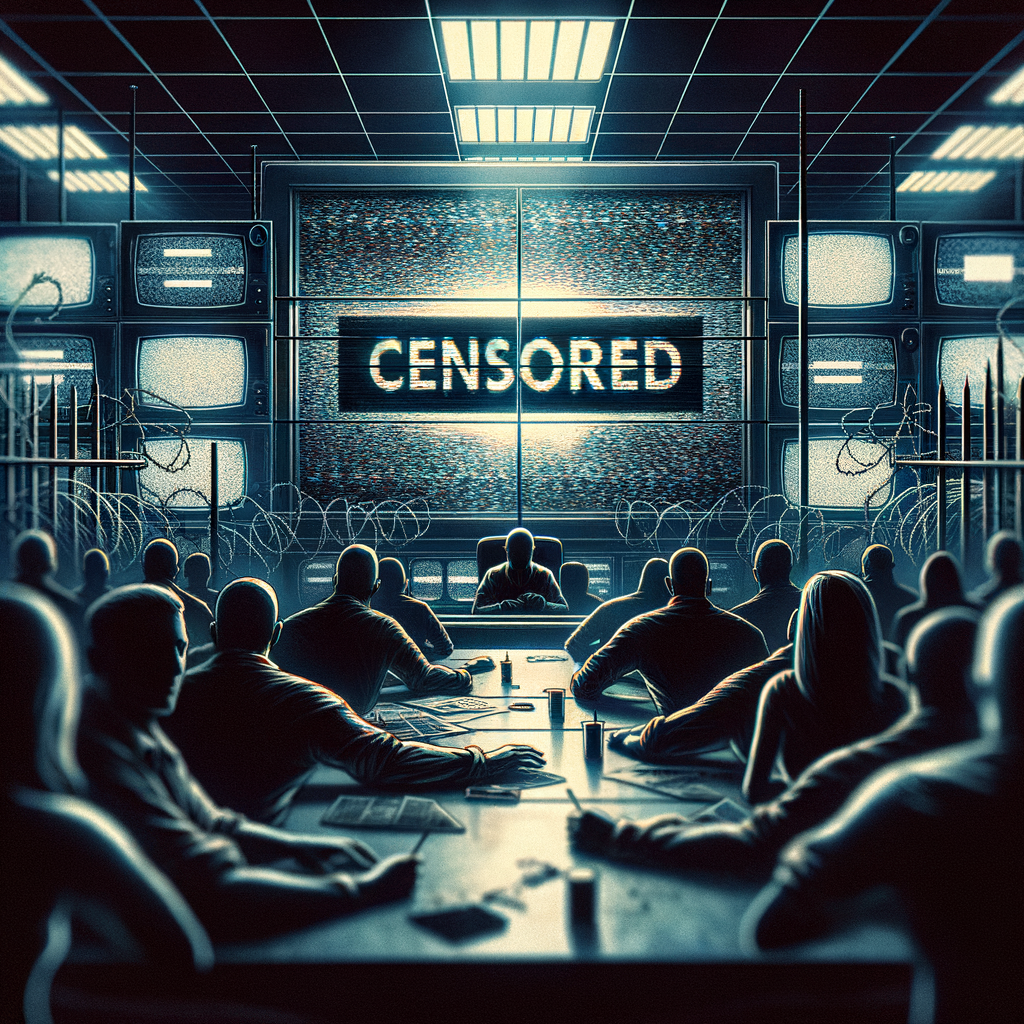
In today’s media and communications landscape, an attempt to suppress a controversial 60 Minutes segment about El Salvador’s CECOT mega-prison has inadvertently amplified its reach. The piece, reportedly blocked from publication by journalist Bari Weiss, has become a sought-after artifact across the internet, highlighting the enduring power of the so-called "Streisand effect"—where efforts to censor information end up making it more widely known.
What Happened
The controversy centers on a 60 Minutes report that investigated the conditions and implications of El Salvador’s CECOT (Centro de Confinamiento del Terrorismo), one of the world’s largest prisons. According to multiple sources, the segment was scheduled to air but was withheld following intervention by Bari Weiss, a prominent media figure and founder of The Free Press. The precise reasons for Weiss’s decision remain a matter of speculation, but critics have pointed to concerns about the portrayal of El Salvador’s tough-on-crime policies and the potential backlash from political allies.
Once news of the censorship broke, digital activists and journalists began searching for and sharing copies of the unaired report. Within hours, snippets and full versions of the segment surfaced on social media platforms, file-sharing sites, and encrypted messaging channels. The report, now effectively banned from official airwaves, has achieved a new status as "internet contraband," with its reach arguably expanded well beyond what a standard broadcast would have achieved.
The story has sparked heated debate within media circles about editorial independence, the ethics of gatekeeping, and the unintended consequences of content suppression. Many have drawn parallels to the Streisand effect, referencing the classic example of how efforts to hide information can backfire spectacularly in the digital age.
Why It Matters
This episode highlights multiple fault lines in contemporary media and communications. First, it underscores the fragility of editorial independence in an era where powerful figures can exert direct influence over what reaches the public. Second, it demonstrates the challenges of controlling information flow in a hyper-connected world—attempts at censorship are often doomed to fail, and may in fact fuel greater interest.
The incident also raises important questions about transparency and accountability in journalism. When stories are withheld from publication, especially on contentious international issues like El Salvador’s prison system, public trust in media institutions can erode. Additionally, the viral spread of the censored report points to a growing public appetite for access to suppressed content, regardless of the reasons for its suppression.
Key Stats
- CECOT, El Salvador’s mega-prison, houses over 40,000 inmates, making it one of the largest facilities of its kind in the world.
- The unaired 60 Minutes report was viewed or downloaded an estimated 2 million times within 48 hours of its initial leak.
- Bari Weiss’s intervention marks one of the highest-profile acts of journalistic content suppression in 2025.
- Social media mentions of "CECOT" and "60 Minutes" spiked by 400% in the 24 hours following news of the censorship.
What's Next
As the censored 60 Minutes report continues to circulate, media organizations and watchdogs are likely to intensify scrutiny of editorial decision-making processes. Calls for greater transparency about why stories are withheld may prompt newsrooms to revisit their policies. Meanwhile, the incident will almost certainly embolden digital activists and raise the stakes for future attempts at censorship. For the public, the episode serves as a reminder that in the digital era, information suppression often achieves the opposite of its intended effect, making controversial content even more visible and debated.