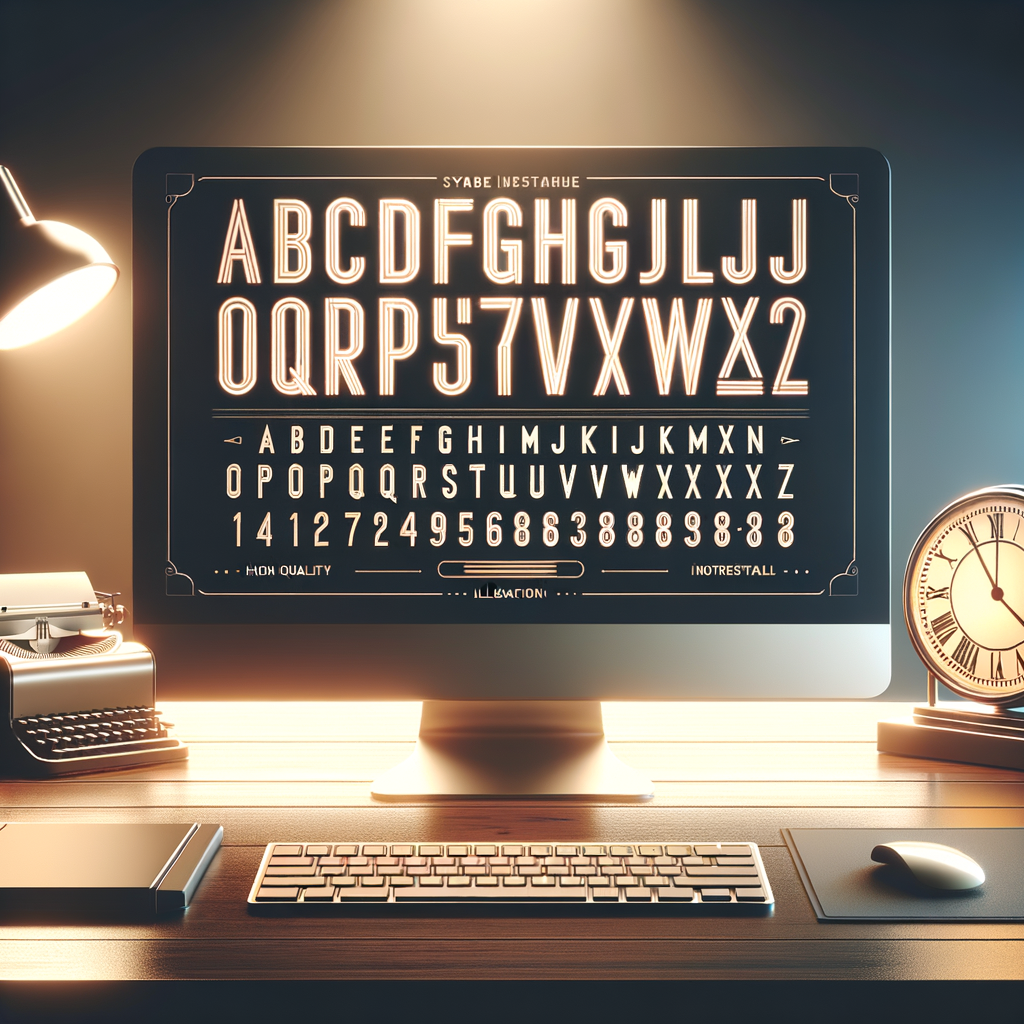
Reimagining Digital Numerals: The Rise of DSEG for 7- and 14-Segment Fonts
Today in the design world, attention has turned to a specialized typeface that is bridging the gap between nostalgia and modern digital aesthetics. The "DSEG" font family—an open-source project that replicates the distinctive look of 7-segment and 14-segment digital displays—has been spotlighted for its unique contribution to typography and digital design. As designers seek ways to evoke classic digital interfaces while maintaining versatility, DSEG’s approach is resonating across projects in UI, branding, and creative experimentation.
What Happened
The DSEG font collection, originally designed to reproduce the segmented lettering found in digital clocks, calculators, and vintage electronics, is seeing renewed interest. This surge comes as designers and developers look for authentic retro digital motifs that are both functional and visually compelling. DSEG covers both 7-segment (the familiar blocky digits of early LCD displays) and the more versatile 14-segment format (capable of rendering both numbers and letters).
The font family encompasses a wide array of glyphs, including:
- Numeric digits (0-9)
- Uppercase and lowercase Latin letters (in 14-segment variants)
- Basic punctuation and symbols
- Multiple weights and styles for different display requirements
DSEG’s open-source license ensures broad accessibility, allowing integration into both commercial and personal projects without licensing costs. The font has found use in digital dashboards, art installations, branding for technology products, and creative web design. Its bitmap-like, modular appearance serves both as a functional solution for legibility at small sizes and as a stylistic choice for projects seeking digital authenticity.
Why It Matters
The resurgence of segment-based display fonts like DSEG is emblematic of a broader trend in design: the blending of nostalgia with contemporary needs. As digital interfaces increasingly reference styles from past decades, having access to accurate, flexible, and legally unencumbered typefaces is crucial.
DSEG’s open-source nature democratizes access to this iconic visual language, removing barriers for independent creators and large organizations alike. Moreover, the technical accuracy of the font ensures that designers can evoke the feel of classic electronics without resorting to imprecise imitations.
In practical terms, DSEG enables:
- Authentic reproduction of retro digital aesthetics in modern interfaces
- Greater creative freedom in branding and UI design
- Cost-effective solutions for both prototyping and production
The font’s utility extends beyond nostalgia. As IoT devices and embedded systems proliferate, the need for legible, space-efficient numerals and letters persists—making DSEG’s modular approach as relevant as ever.
Key Stats
- DSEG supports both 7-segment (digits only) and 14-segment (alphanumeric) display formats.
- The font is open-source, released under the SIL Open Font License.
- DSEG includes multiple weights and styles, suitable for varied screen resolutions and print.
- Widely adopted in projects ranging from hardware dashboards to digital art installations.
What's Next
Given the current trajectory, DSEG and similar font projects are likely to see further growth in adoption, particularly as the retro digital trend continues in both consumer products and digital art. Developers can expect ongoing updates, including expanded character sets and improved hinting for better on-screen rendering. As design tools and frameworks increasingly support variable and modular fonts, DSEG’s flexibility positions it as a go-to resource for both experimentation and production. Watch for integrations into mainstream UI libraries and broader customization options as open-source communities continue to refine and extend the project.