Strapsicle Brings Beloved Kindle Design to iPad Mini: A Game Changer for Accessible Reading
Today in the world of design, a notable shift occurred as Strapsicle, a well-known name among Kindle accessory enthusiasts, unveiled its first-ever iPad case. The launch signals a broader movement toward making high-quality, accessible reading experiences available on a wider range of devices, most notably the Apple iPad mini.
What Happened
Strapsicle, famous for its innovative Kindle grips and covers, today launched a new iPad mini case designed specifically to enhance the e-reading experience on Apple’s compact tablet. Building on its reputation for ergonomic, reader-friendly accessories, Strapsicle’s latest product introduces features tailored to both passionate readers and users with accessibility needs.
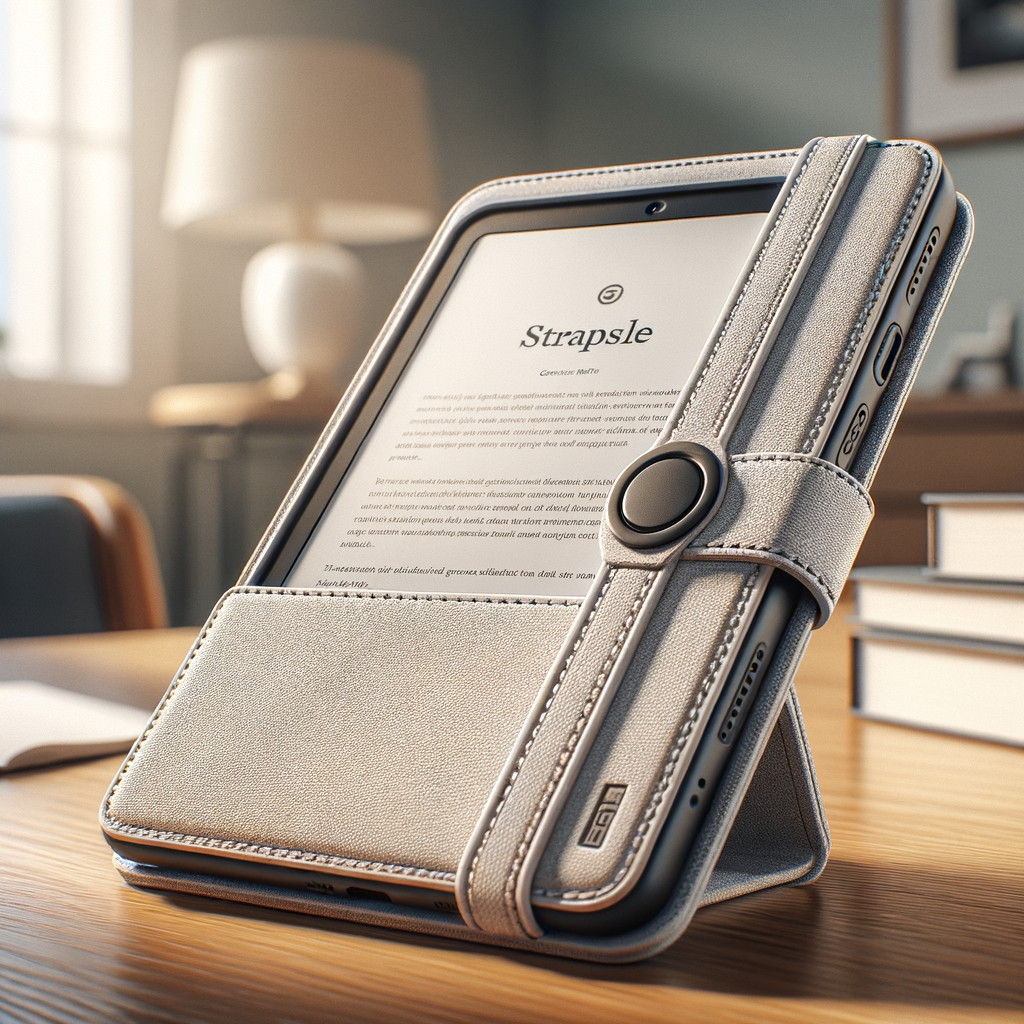
The new case, crafted for the iPad mini, includes an integrated hand strap that mimics the feel of holding a Kindle Paperwhite or Oasis. The strap allows users to hold the device securely in one hand, reducing strain during prolonged reading sessions—a problem familiar to anyone who has tried to use a bare iPad mini as an e-reader. The case is constructed from lightweight, durable materials and designed to maintain a slim profile, ensuring that portability is not sacrificed for comfort.
Perhaps most importantly, Strapsicle has embedded thoughtful accessibility features into the case. The hand strap is adjustable and uses a soft, non-slip material, making it easier for people with limited dexterity or grip strength to use the iPad mini for extended periods. The case also features raised button covers and a unique texture along the edges to assist visually impaired users in orienting the device.
The launch comes at a time when many iPad owners are seeking alternatives to e-ink readers, particularly as iPadOS’s accessibility features and customizable display options continue to improve. By bridging the gap between dedicated e-readers and multipurpose tablets, Strapsicle is responding to a growing demand for devices and accessories that do not force users to choose between function and comfort.
Why It Matters
The debut of Strapsicle’s iPad mini case marks a significant moment for both product design and digital accessibility. Until now, most iPad cases have prioritized general protection or aesthetic customization, often at the expense of ergonomic comfort—especially for readers. Strapsicle’s entry into the iPad accessory market brings a specialized perspective that has, until now, been largely reserved for Kindle users.
This move also reflects a broader trend toward inclusive design. As consumers increasingly expect their devices and accessories to accommodate a wide range of physical needs and preferences, brands that prioritize accessibility are setting new industry standards. The Strapsicle case is not only a boon for avid readers but also for anyone who has found traditional iPad cases lacking in comfort or usability.
Furthermore, this launch could signal a shift in how accessory makers approach the iPad ecosystem, encouraging more innovation focused on specific use cases and user needs. For Apple, whose iPad mini remains popular among readers, the availability of such accessories could help the device compete more directly with dedicated e-readers.
Key Stats
- The iPad mini (6th generation) weighs 293 grams—nearly double the Kindle Paperwhite’s 205 grams—making ergonomic accessories highly valuable.
- Over 60% of e-book readers report hand fatigue during long reading sessions on tablets, according to a 2025 survey by Digital Reading Trends.
- Strapsicle’s Kindle grips have a 4.8-star average rating across 8,000+ reviews, indicating strong consumer trust in the brand’s ergonomic solutions.
- Apple’s iPad mini accounted for 12% of all iPad sales in 2025, with many buyers citing portability for reading as a key factor.
What's Next
Strapsicle’s debut in the iPad accessory market could prompt other manufacturers to reconsider their approach to tablet cases, with a renewed focus on specific user experiences. If consumer response mirrors the brand’s Kindle accessory success, we can expect to see further innovation in this space—potentially including cases for additional iPad models, or collaborations with accessibility advocates.
For Apple and its users, the arrival of purpose-built accessories may expand the iPad mini’s appeal among readers and those with accessibility needs. As the boundaries between e-readers and tablets continue to blur, expect to see more products that prioritize comfort, usability, and inclusive design in 2026 and beyond.