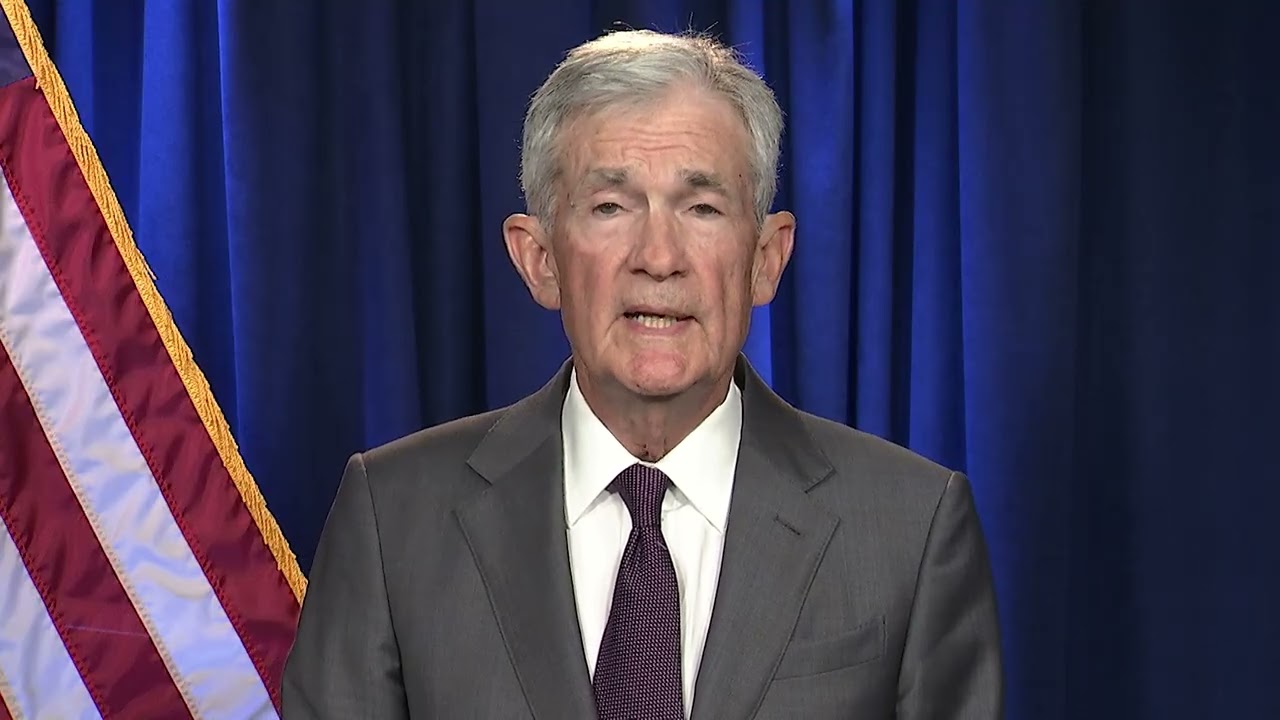
Federal Reserve Chair Jerome Powell Outlines Policy Priorities and Economic Outlook
On January 11, Federal Reserve Chair Jerome H. Powell delivered a significant statement outlining the central bank’s ongoing approach to monetary policy and its core responsibilities. The Federal Reserve remains at the forefront of safeguarding the U.S. economy, with Powell’s remarks providing insights into the institution’s current priorities and future direction. This statement comes at a crucial juncture as policymakers navigate persistent inflationary pressures, evolving employment numbers, and uncertainty in global markets.
What Happened
Jerome Powell’s address reaffirmed the Federal Reserve's five core functions and provided a detailed overview of how these roles serve the broader U.S. economy:
1. Conducting Monetary Policy: Powell emphasized the Fed’s commitment to promoting maximum employment, stable prices, and moderate long-term interest rates. The central bank continues to assess economic indicators, including inflation and labor market data, to determine the appropriate path for interest rates and other policy tools. Powell highlighted the challenge of balancing inflation control with supporting ongoing job growth.
2. Ensuring Financial System Stability: The Fed is actively monitoring systemic risks, both domestically and globally. Powell discussed the importance of preemptive risk management in the financial sector, citing recent market volatility and emerging risks from international developments. The central bank’s role in minimizing and containing systemic threats remains a top priority.
3. Promoting Safety and Soundness of Institutions: The Federal Reserve continues to oversee and regulate individual financial institutions. Powell noted the importance of ensuring that banks and other entities maintain strong capital positions and risk management practices, especially amid shifting economic conditions.
4. Fostering Payment and Settlement System Efficiency: Powell addressed the Fed’s ongoing efforts to ensure the safety and efficiency of payment and settlement systems. These systems underpin U.S. dollar transactions and support both the banking industry and government operations. Technological advancements and cybersecurity remain central concerns.
5. Enhancing Consumer Protection and Community Development: The statement reiterated the Fed’s commitment to consumer-focused supervision, enforcement of consumer protection laws, and engagement in community economic development. Powell highlighted ongoing research and analysis of emerging consumer issues and trends.
Why It Matters
Powell’s remarks underscore the Federal Reserve’s pivotal role in shaping economic outcomes during a period marked by both challenges and opportunities. The central bank’s approach to monetary policy will influence borrowing costs, business investment, and household spending. Its vigilance in monitoring financial system stability is crucial amid global uncertainties and market shifts.
Furthermore, the Fed’s regulatory oversight and commitment to consumer protection have far-reaching implications for financial institutions and the public. As the economy continues to adapt to post-pandemic realities, Powell’s assurances of proactive risk management and policy flexibility are likely to provide some measure of stability for investors, businesses, and consumers alike.
Key Stats
- The Federal Reserve’s dual mandate focuses on maximum employment and stable prices, guiding its monetary policy decisions.
- The central bank supervises and regulates over 5,000 financial institutions across the United States.
- U.S. dollar payment systems process trillions of dollars in transactions daily, facilitated by the Federal Reserve.
- Recent inflation readings and unemployment rates remain key indicators shaping the Fed’s policy outlook.
What's Next
Looking forward, the Federal Reserve is expected to maintain a data-driven approach to monetary policy, with future decisions hinging on inflation trends, employment figures, and global economic developments. Market participants should anticipate continued transparency from the central bank, as Powell and his colleagues balance the need for economic growth with the imperative of price stability. Additional statements and policy moves will be closely watched in the coming months, as the Fed navigates a complex and evolving economic landscape.
For more information and ongoing updates, visit the Federal Reserve’s website at www.federalreserve.gov.