Design Unveiled: From Formula 1 Teamwear to JavaScript-Free Web Components
Today in design, the intersection of performance, innovation, and technology took the spotlight. Major brands are pushing the boundaries of apparel in motorsport, while web development continues to evolve toward efficiency and speed. Key releases from adidas, Audi, and the launch of new tools like ShapeR and CSS-only Web Components mark a day of advancements poised to influence both physical and digital experiences.
What Happened
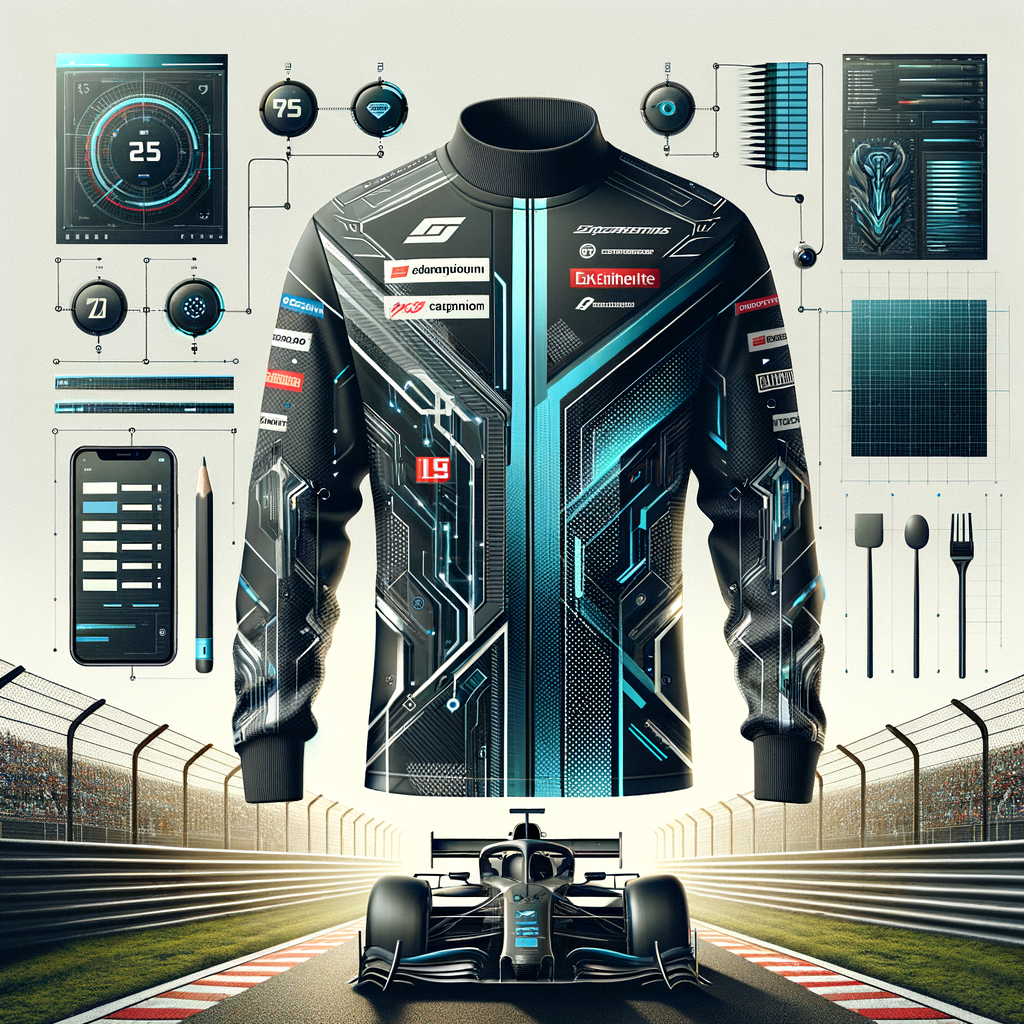
Motorsport Meets High Fashion: adidas & Audi's F1 Teamwear
adidas and Audi made headlines with the debut of their first-ever teamwear collection for the Audi Revolut Formula 1 Team. This collaboration introduces a line designed not only for aesthetic appeal but also to meet the rigorous performance demands of the sport. The collection, unveiled today, showcases cutting-edge design and technology, emphasizing both function and style. It marks a significant milestone as both brands merge their expertise—adidas’s sportswear innovation and Audi’s automotive precision—into gear intended for use on and off the track.
ShapeR Launches
ShapeR, a new design tool, has launched with ambitions to streamline workflows for designers. While details remain scant, the emergence of ShapeR hints at a continued trend toward specialized, user-friendly platforms aimed at addressing common pain points in modern design processes. The specifics of its features and integrations are yet to be disclosed, but industry watchers are keen to see how it differentiates itself in a crowded market.
CSS Web Components for Marketing Sites: No JavaScript Required
Another notable development is the introduction of CSS-only Web Components tailored for marketing sites. Traditionally, web components rely heavily on JavaScript for interactivity and dynamic content. This new approach leverages pure CSS to deliver modular, reusable UI elements, significantly reducing page weight and improving load times. For marketing sites, where speed and accessibility are paramount, this innovation promises a shift towards simpler, faster, and more robust web experiences.
Why It Matters
The debut of the adidas and Audi teamwear collection signals a deeper integration of branding, technology, and performance in sports apparel. As Formula 1 continues to attract a global audience, such partnerships amplify both brands while setting new standards for teamwear design—potentially influencing other teams and sports.
ShapeR’s entry into the design tool landscape reflects ongoing demand for solutions that cater to designers' evolving needs. If successful, it could prompt further innovation in workflow optimization and creative software.
The movement toward JavaScript-free Web Components is particularly significant for web designers and marketers. By minimizing dependence on JavaScript, these components enhance site speed, accessibility, and maintainability. This aligns with broader industry trends favoring lean, efficient front-end development, especially as search engines and users prioritize performance.
Key Stats
- The adidas and Audi teamwear collection debuts today, marking Audi’s first official teamwear line in Formula 1.
- CSS Web Components for marketing sites operate with zero JavaScript, reducing potential page bloat and improving performance.
- ShapeR enters a competitive design tool market, signaling continued growth and specialization in digital design solutions.
What's Next
Looking ahead, the collaboration between adidas and Audi may spark similar partnerships across the motorsport and athletic apparel industries. The teamwear collection’s reception will likely influence future cross-industry design initiatives.
ShapeR’s forthcoming updates and feature reveals will determine its role in the competitive design software ecosystem. As more information becomes available, designers will assess its impact on their workflows.
The adoption of CSS-only Web Components is expected to rise, especially among marketing and content-driven sites. As best practices for implementation are developed, we can anticipate a broader shift toward lighter, more accessible web experiences across the industry.