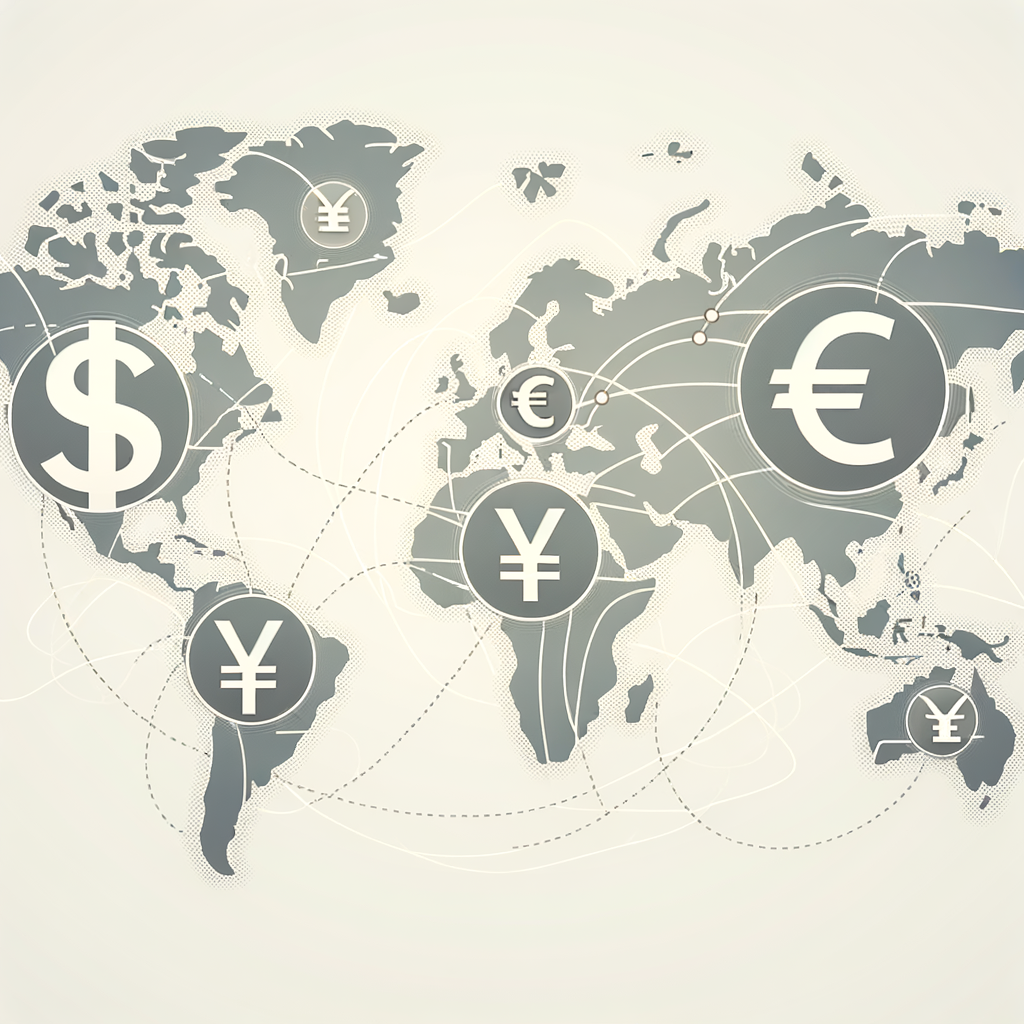
De-dollarization: Is the Era of Dollar Dominance Nearing Its End?
Today in finance, the concept of "de-dollarization"—the gradual shift away from the US dollar as the world’s primary reserve and trade currency—took center stage. J.P. Morgan Research released a comprehensive analysis detailing how countries and corporations are increasingly exploring alternatives to the dollar in international markets and trade.
What Happened
The US dollar has long been the backbone of global finance, serving as the dominant currency for trade, reserves, and international settlements. However, recent years have seen a marked increase in initiatives aimed at reducing dependence on the dollar—a trend broadly referred to as de-dollarization.
Policy Shifts and New Partnerships
Several emerging market economies, notably China, Russia, and members of the BRICS group, have accelerated efforts to settle cross-border trade in their own currencies. China has promoted the use of the yuan for energy purchases and trade agreements, while Russia has increased the share of non-dollar transactions in its exports. At a multilateral level, initiatives such as cross-currency swap lines and discussions around a BRICS common currency have gained traction.
Market Impacts
According to J.P. Morgan Research, these shifts are beginning to have a measurable impact on global financial flows. The share of global reserves held in US dollars has declined from over 70% in 2000 to below 60% in 2025, as central banks diversify into euros, yuan, and gold. Meanwhile, the volume of international trade denominated in non-dollar currencies has increased, particularly in energy markets and among emerging economies.
Financial Infrastructure
De-dollarization is also affecting global financial infrastructure. New payment systems and clearinghouses, such as China's CIPS and Russia's SPFS, are being developed to circumvent reliance on SWIFT, traditionally dominated by dollar-based settlements. These alternatives aim to reduce exposure to US sanctions and the risk of being cut off from dollar liquidity.
Why It Matters
The implications of de-dollarization are far-reaching. For the US, diminished dollar dominance could lead to higher borrowing costs, reduced geopolitical leverage, and more volatile exchange rates. For other economies, it presents both opportunities and risks: greater autonomy in monetary policy, but also potential instability as new systems and currencies take time to build trust and liquidity.
For global investors and corporations, the shift requires adapting to a more multipolar currency regime. This could mean more complex hedging strategies, changes in the cost of capital, and heightened sensitivity to geopolitical developments.
Key Stats
- The US dollar’s share of global foreign exchange reserves fell below 60% in 2025, down from over 70% in 2000.
- The Chinese yuan now accounts for approximately 5% of global reserves, up from less than 1% a decade ago.
- In 2025, nearly 40% of Russia’s exports were settled in non-dollar currencies, compared to under 10% in 2014.
- Over 60 countries have established or are negotiating bilateral currency swap agreements with China.
What's Next
While the dollar’s status as the world’s primary reserve currency remains secure in the short term, the momentum behind de-dollarization is building. Analysts expect further diversification of reserves and trade settlements, especially as geopolitical tensions and sanctions continue to motivate countries to seek alternatives.
The transition towards a more multipolar currency landscape is likely to be gradual, but it carries significant implications for global trade, finance, and economic stability. Market participants will be watching closely as new financial infrastructure and alliances reshape the global monetary order.