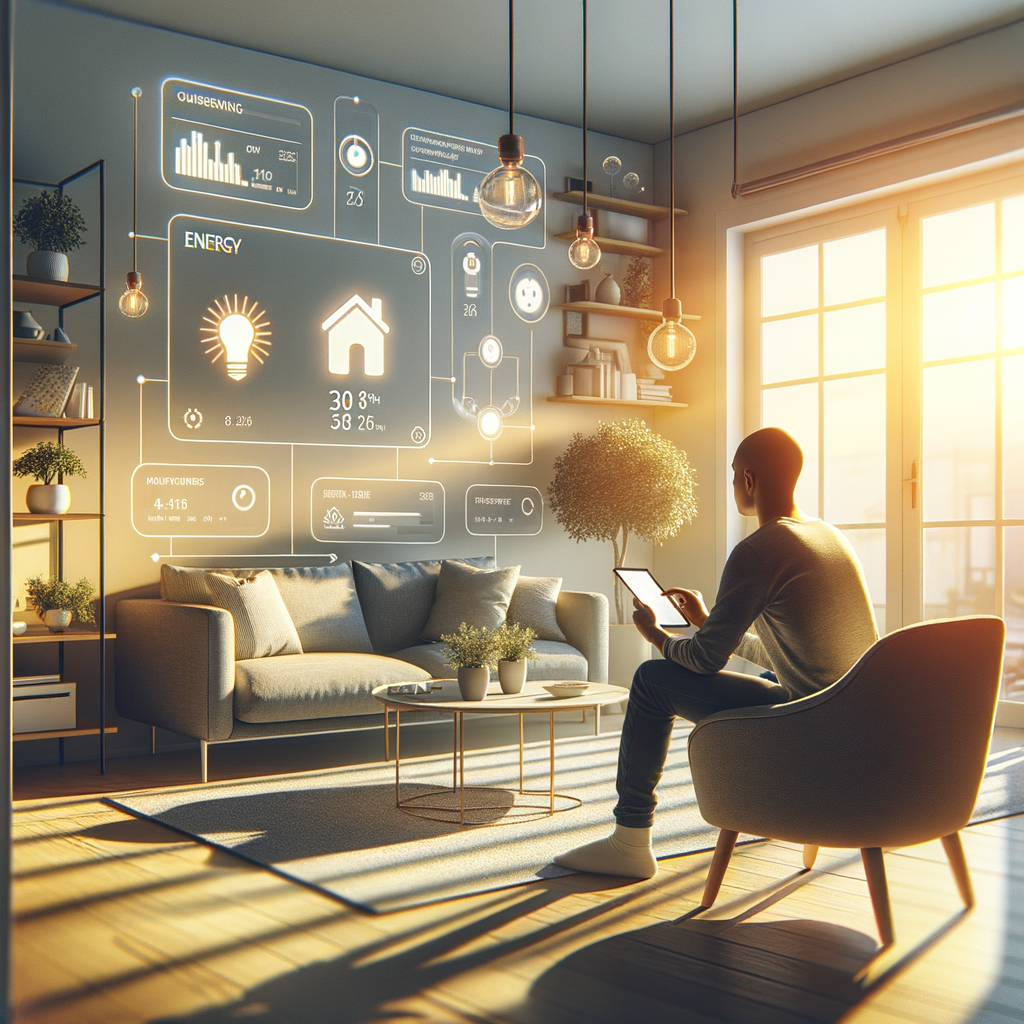
Tech-Enhanced Living: Turning Tablets into E-Readers and Smart Plugs into Energy Auditors
Today in Lifestyle & Wellbeing, we explore two practical ways technology can improve everyday life: converting a regular tablet into a versatile e-reader, and using smart plugs to audit and optimize home energy consumption. These developments show how accessible tech tools can deliver both convenience and sustainability, without requiring major investments or specialized gadgets.
What Happened
Tablets as E-Readers: A Practical Approach
For years, dedicated e-readers have appealed to book lovers for their long battery life and eye-friendly screens. However, a new approach is making waves among avid readers: turning existing tablets—whether iPad or Android—into full-fledged e-readers with a few simple tweaks. By adjusting display settings, optimizing reading apps, and minimizing distractions, users are finding they can enjoy a high-quality reading experience without purchasing extra hardware. This method leverages the larger screens, color displays, and multi-purpose capability of tablets, making it easier to carry an entire library wherever you go.
Smart Plugs: A Window into Home Energy Use
On the home front, smart plugs have emerged as a surprisingly effective way to audit energy use across various appliances and devices. By integrating these plugs into household outlets, users can monitor real-time and cumulative energy consumption, uncovering surprising insights about which devices draw the most power. In a recent hands-on experiment, certain household spots—such as entertainment centers and kitchen appliances—were found to be consuming more electricity than expected. The data collected informed smarter usage habits and pinpointed areas ripe for efficiency upgrades.
Why It Matters
Both trends underscore a shift toward more resourceful and sustainable uses of everyday technology. Repurposing a tablet as an e-reader not only saves money but also reduces electronic waste, which is increasingly important as device lifecycles shrink. Meanwhile, smart plugs provide actionable insights that empower homeowners to make informed decisions about energy use, potentially lowering utility bills and reducing carbon footprints. These developments reflect a broader movement: leveraging technology not just for novelty, but for meaningful improvements in quality of life and environmental stewardship.
Key Stats
- Over 70% of tablet owners have access to at least one e-reading app, making the transition to e-reader functionality widely accessible.
- Smart plug audits revealed that entertainment centers can consume up to 15% more energy than previously estimated.
- Kitchen appliances plugged into smart outlets accounted for nearly 22% of total monitored household energy use.
- Users reported a 10-15% reduction in monthly electricity costs after acting on insights from smart plug data.
What's Next
As more consumers seek to maximize the value of their existing devices, expect further innovation in app development aimed at enhancing the reading experience on tablets. Features like adaptive backlighting and distraction-free modes will likely become more common. On the home energy front, smart home ecosystems are poised to become more integrated, with energy monitoring forming a core component of automated routines. Look for smart plugs and related devices to gain advanced analytics capabilities, making it even easier for users to understand and control their energy consumption. The intersection of lifestyle and wellbeing will continue to be shaped by accessible, user-friendly technology that empowers individuals to live smarter and more sustainably.