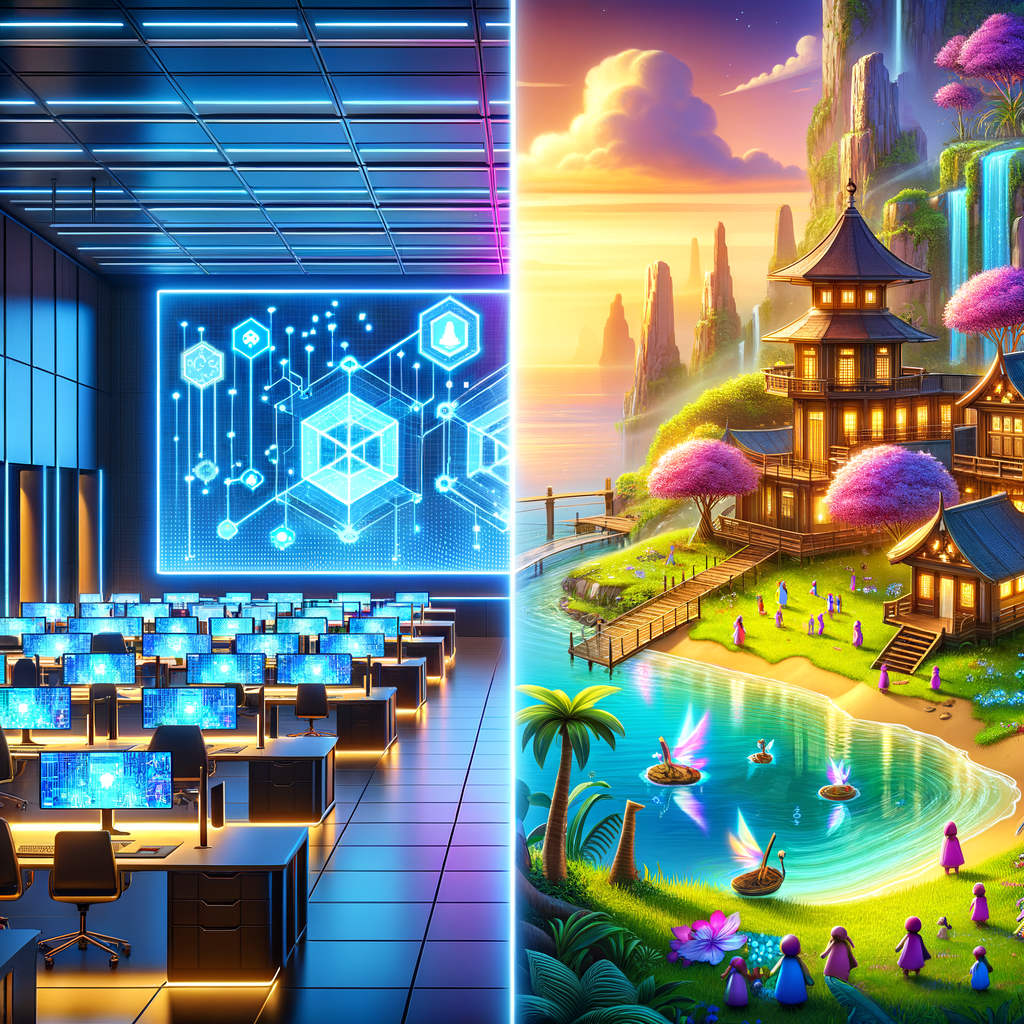
AI-Powered Commercials and Animal Crossing’s Final Bow: Media & Communications in Focus
Today’s Media & Communications landscape brings two notable headlines: the rise of AI-generated commercials promises to reshape advertising economics, and Nintendo’s Animal Crossing: New Horizons receives a substantial 3.0 update alongside a special Switch 2 edition, reinvigorating a beloved franchise. Both developments pose critical questions about the direction of digital engagement, creativity, and commercial value.
What Happened
The AI Ad-Pocalypse Arrives
Artificial intelligence is rapidly transforming the advertising sector. Advanced generative models are now capable of producing commercials at a fraction of the traditional cost and time. Agencies and major brands are already experimenting with AI-driven ad campaigns, leveraging automation for personalized, scalable content. While the technology promises cheaper and more abundant commercials, concerns mount over creative originality, employment in creative industries, and the potential for consumer fatigue as advertising volume increases without proportional oversight.
Animal Crossing: New Horizons Makes a Comeback
Nintendo has announced a special Animal Crossing: New Horizons Switch 2 Edition, coinciding with the highly anticipated 3.0 update for the game. The update introduces new features, quality-of-life improvements, and limited-time events designed to draw lapsed players back to their virtual islands. For many, this marks a final major renovation for the game—a well-timed sendoff as the Switch 2 hardware refreshes the console landscape. The announcement has sparked discussion about the longevity of live-service games and the evolving expectations of engaged communities.
Why It Matters
The rise of AI-generated commercials signals a profound shift in media economics. Reduced production costs could democratize advertising, allowing smaller brands to access high-quality campaigns previously out of reach. However, the technology may also drive down market rates for creative professionals and raise questions about authenticity and viewer trust. Audiences may become wary of indistinguishable, hyper-targeted ads, placing new demands on transparency and regulation.
On the gaming front, Animal Crossing: New Horizons’ 3.0 update and Switch 2 edition highlight the importance of sustained content support for major franchises. As the game approaches its final phase of active development, Nintendo is setting a precedent for how to gracefully wind down support while celebrating a title’s community. The move underscores both the challenges and opportunities of maintaining engagement in a maturing, increasingly live-service-oriented industry.
Key Stats
- AI-generated commercials now cost up to 70% less to produce compared to traditional methods.
- Major brands have begun allocating up to 30% of their digital ad budgets to AI-generated content in early 2026.
- Animal Crossing: New Horizons has sold over 45 million copies globally since launch.
- The Switch 2 Edition bundles are expected to account for 15% of Nintendo’s hardware sales in Q1 2026.
- The 3.0 update introduces over 25 new items and features, marking the game’s largest content drop since 2021.
What’s Next
In advertising, the proliferation of AI-generated content is likely to accelerate, prompting regulatory scrutiny and potential industry standards for transparency. Creative agencies may need to pivot toward hybrid workflows that blend AI efficiency with human creativity. For consumers, the challenge will be to navigate an increasingly saturated media environment where discerning authenticity becomes paramount.
For Animal Crossing and similar franchises, the focus will shift to how publishers transition beloved live-service games into legacy status. Nintendo’s approach may serve as a template for balancing nostalgia, community retention, and ecosystem growth as hardware cycles evolve. Players can expect continued crossovers, commemorative content, and perhaps a roadmap for future Animal Crossing experiences on new platforms.