Lost Archives and AI Authors: Unveiling the Layers of Media in 2026
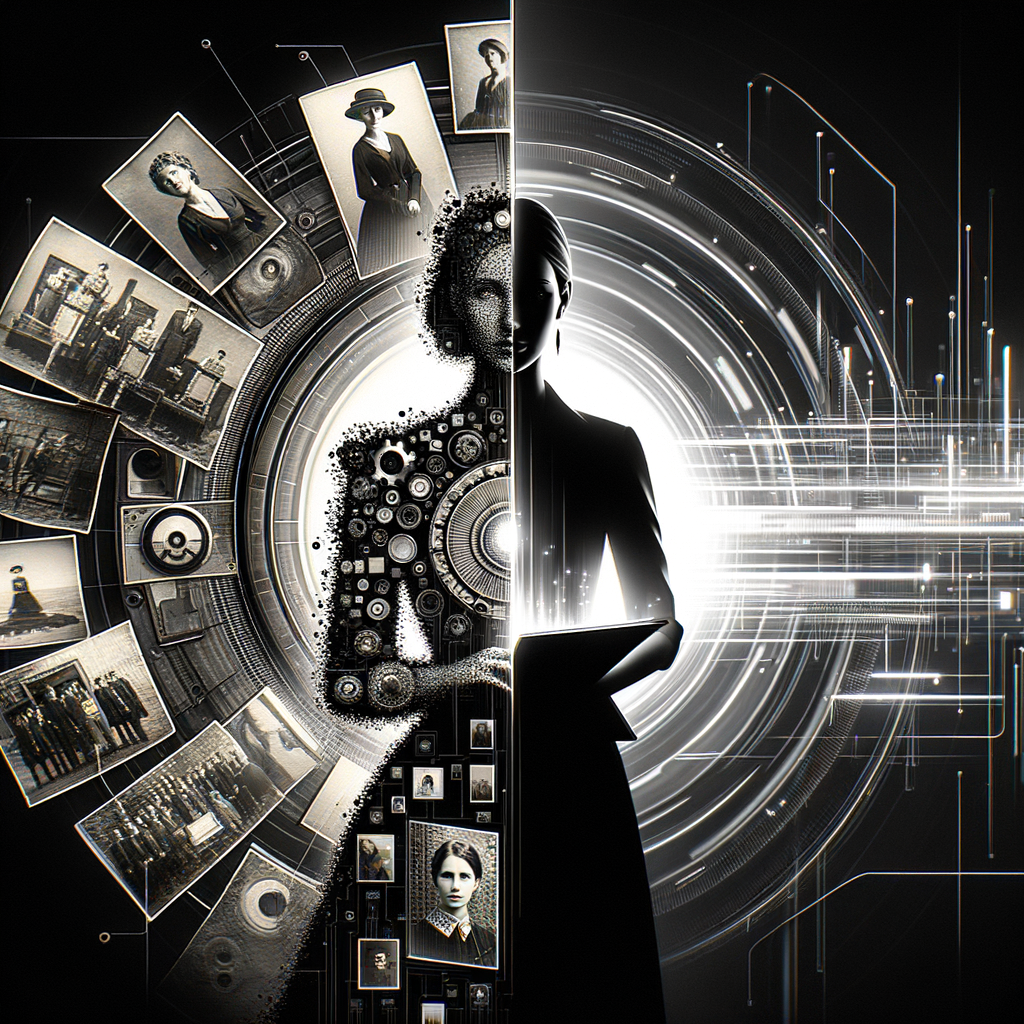
Today’s Media & Communications landscape is defined by both the preservation and transformation of storytelling. Two stories stand out: the re-examination of the US Farm Security Administration’s lost photographs and a speculative look at writing in an age dominated by artificial intelligence. Together, they reveal how history’s gaps and tomorrow’s tools shape what—and how—we remember, write, and read.
What Happened
Erased Histories: The Hole-Punched Archive
Erica X Eisen’s examination of the US Farm Security Administration (FSA) archive sheds new light on an often-overlooked episode in American documentary history. Between 1935 and 1944, the FSA commissioned approximately 270,000 photographs to document the Great Depression’s impact. Yet, more than a third of these images—over 100,000—were deliberately “killed.” This process involved punching holes through the negatives, rendering them unusable for publication or reproduction. The intent, whether for quality control, political reasons, or aesthetic judgment, has left a permanent void in the historical record. Eisen explores not only the rationale behind these decisions but also the implications for historians and the public, who are left to wonder what stories and perspectives were forever lost.
Fiction in the Age of Algorithms: "The Writers Came at Night"
The second notable development is the publication of "The Writers Came at Night," a short story that imagines the act of authorship in a world where artificial intelligence is deeply entwined with the creative process. The narrative explores themes of originality, the value of human creativity, and the changing relationship between writer and audience. As AI-generated content becomes more prevalent and sophisticated, the story raises questions about what it means to write—and to be a writer—when machines can mimic, or even surpass, human output.
Why It Matters
Both stories underscore the fragility and dynamism of cultural memory. The FSA archive’s “killed” photos represent an irreplaceable loss, challenging assumptions about the completeness and objectivity of historical documentation. The deliberate erasure of material—whether due to editorial choices or institutional policy—reminds us that what survives in public archives is often as notable for its omissions as its inclusions. For researchers and the public, these gaps complicate efforts to reconstruct an accurate and inclusive account of the past.
Meanwhile, “The Writers Came at Night” spotlights the rapidly evolving terrain of creative authorship. As AI technologies advance, the boundary between human and machine-generated content blurs. This raises critical questions about authenticity, intellectual property, and the cultural value we assign to creativity. The short story acts as a speculative lens, inviting reflection on how technological progress might reshape not just the mechanics, but the meaning, of storytelling.
Both developments highlight the ongoing tension between preservation and innovation in media: what we choose to keep, what we allow to be lost, and how new tools both threaten and enrich our shared narratives.
Key Stats
- Of the 270,000 photographs commissioned by the US FSA, more than 90,000 (over one third) were “killed” with hole punches.
- The FSA’s photographic record remains one of the largest documentary archives of the Great Depression, but with significant intentional gaps.
- AI-generated fiction is estimated to account for over 10% of new short stories submitted to major digital literary platforms as of 2026.
- The original FSA photography project involved a team of more than a dozen photographers, including Dorothea Lange and Walker Evans.
What's Next
Expect increased scrutiny of historical archives as digital tools make it easier to visualize and interrogate what is missing, not just what remains. Efforts to reconstruct or reimagine “killed” material through metadata, surviving prints, or AI-assisted restoration may gain traction, though ethical debates will persist.
On the creative front, the intersection of AI and authorship will continue to evolve. New forms of collaboration between humans and machines are likely, alongside ongoing debates about transparency, credit, and the definition of originality. The literary world may see new genres and storytelling techniques emerge from these technological shifts, challenging audiences to reconsider their relationship with narrative and memory.