Design in Focus: New CSS Highlight Pseudo-Elements and Star Wars’ Artistic Legacy
Today in the world of design, two significant stories captured attention: the introduction of a new CSS pseudo-element in Chrome for customizing find-in-page highlights, and a deep dive into the cinematic design legacy of Doug Chiang, the visionary behind much of Star Wars’ visual language. Both developments showcase the intersection of technology and artistry, underscoring how design continues to shape our digital and cultural experiences.
What Happened
Chrome 144 Ships ::search-text Pseudo-Element
Chrome 144 has introduced the ::search-text pseudo-element, expanding the set of highlight-related features available to web designers. This new pseudo-element specifically targets the text highlighted through the browser’s built-in find-in-page functionality (typically accessed with Ctrl/Command + F). Now, developers can style the appearance of this search-highlighted text, providing greater control over user experience and site aesthetics.
The ::search-text joins other highlight pseudo-elements, enabling consistent and accessible highlighting across various user interactions. For instance, designers can now ensure that the find-in-page highlight matches their site’s color palette or improves visibility, thereby enhancing usability for all users.
Star Wars Art Department: Doug Chiang’s Cinematic Legacy
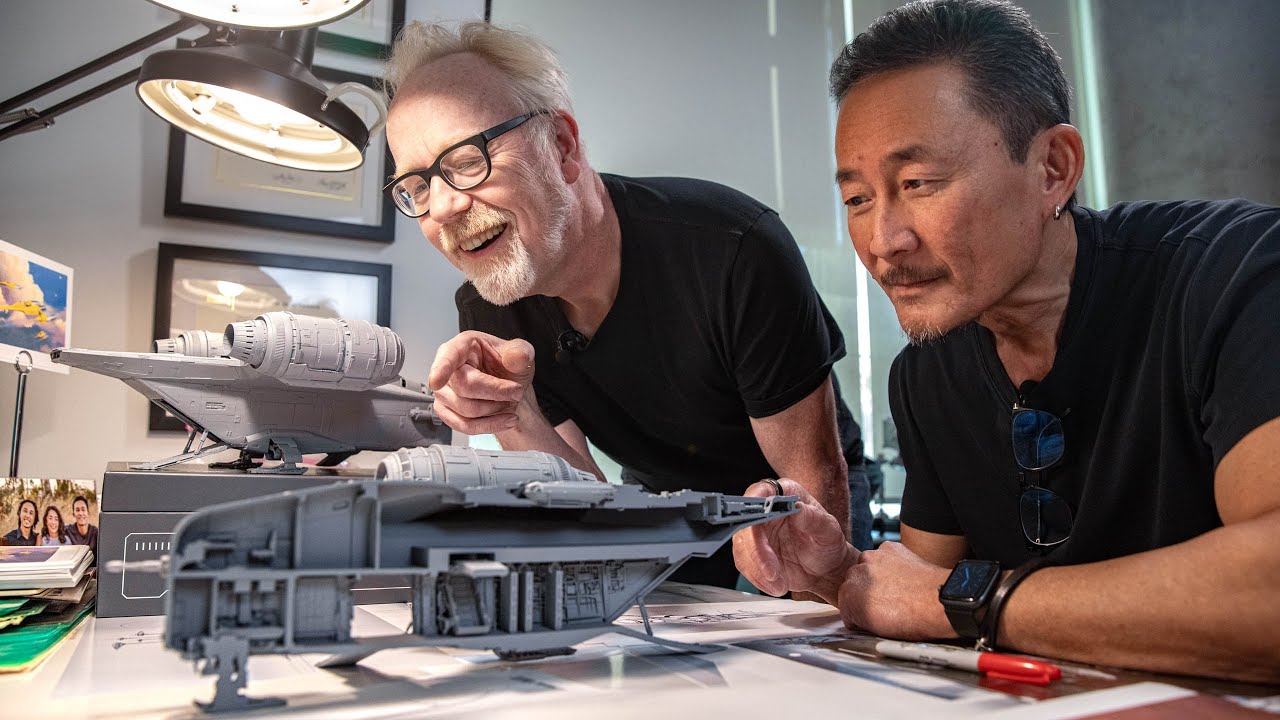
In a different corner of the design world, Adam Savage of Tested visited Doug Chiang at Lucasfilm’s art department. Chiang, who was handpicked by George Lucas to lead the design team for the Star Wars Prequel Trilogy, discussed his career and approach to visual storytelling. The conversation coincides with the release of a two-volume book chronicling Chiang’s contributions to Star Wars and his broader influence in cinematic design.
The visit offered rare insight into how Chiang and his team interpret a director’s vision and translate it into the iconic imagery and worlds that define the Star Wars universe. The series also highlighted the collaborative and iterative process of concept design, from initial sketches to on-screen realization.
Why It Matters
The launch of the ::search-text pseudo-element is a clear step towards more accessible and customizable web experiences. As web applications become more complex, the ability to adapt interface elements—especially those related to search and navigation—can have significant usability benefits. This is particularly important for users with visual impairments or those who rely on high-contrast displays.
Meanwhile, Doug Chiang’s work illustrates the foundational role of design in shaping cultural phenomena. His approach to world-building and visual storytelling has set a standard not only within the Star Wars franchise but also across the film industry. The documentation of his legacy serves as both inspiration and a valuable resource for designers and artists navigating the evolving landscape of visual media.
Together, these stories highlight the breadth of design’s impact: from subtle interface enhancements that improve daily interactions to the sweeping artistic visions that become cultural touchstones.
Key Stats
- Chrome 144 is the first browser version to ship the
::search-textpseudo-element, expanding CSS highlight options. - The new pseudo-element specifically targets text highlighted via the browser’s find-in-page feature (Ctrl/Command + F).
- Doug Chiang has led the Star Wars art department since the Prequel Trilogy, shaping the visual direction of multiple films.
- Chiang’s cinematic legacy is now the subject of a comprehensive two-volume book set documenting decades of design work.
What's Next
With Chrome’s adoption of ::search-text, web developers can expect other browsers to follow, gradually standardizing enhanced highlight customization. This may lead to new best practices for accessible web design and a wave of visually cohesive sites that better integrate user interaction cues.
On the cinematic front, the celebration of Doug Chiang’s legacy is likely to inspire renewed interest in concept design and the behind-the-scenes craft of world-building. As streaming services and franchises continue to expand, the demand for visionary designers capable of blending technology and artistry will only grow.
In both arenas, the ongoing dialogue between innovation and tradition remains central to the future of design.