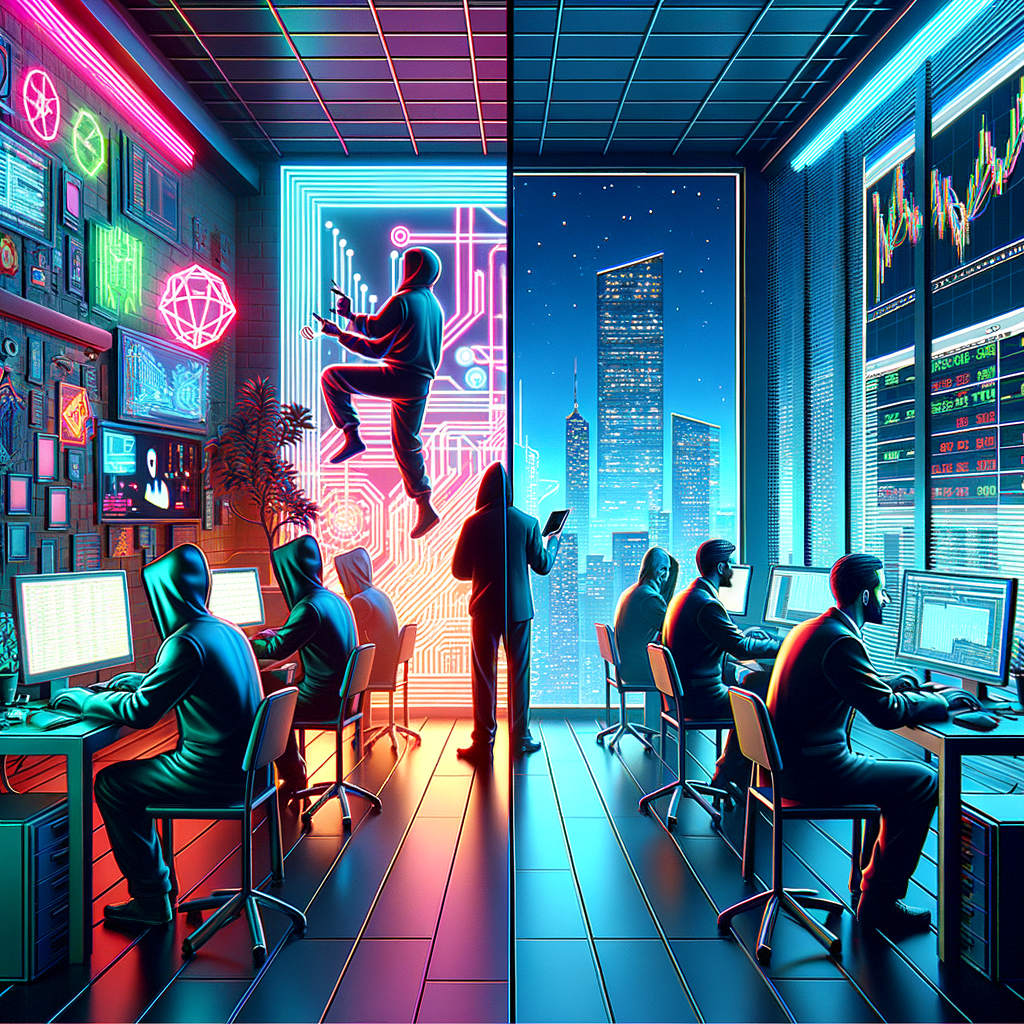
Tech on Screen: Revisiting Hacker Culture and Fintech Scandals in Today's Media
Media & Communications made notable headlines today with two distinct explorations of technology in popular culture. First, the enduring appeal of hacker mythology is revisited through a new animated experience based on the cult film “Hackers” (1995), spearheaded by David Vidovic. Second, the fourth season of the acclaimed TV series “Industry” delves deep into the world of fintech, power, and deception, earning recognition as one of the most authentic portrayals of tech fraud on television.
What Happened
Animated Reimagining of 'Hackers' (1995)
David Vidovic has launched an animated experience based on the 1995 film “Hackers.” While details remain scarce, the project aims to revive the film’s legacy for a new generation. The original movie, known for its stylized depiction of cyberculture and its prescient take on digital security, has become a touchstone for both tech enthusiasts and pop culture aficionados. Vidovic’s adaptation leverages animation to reinterpret the film’s iconic visuals and narrative, hinting at a resurgence of interest in hacker lore.
'Industry' Season 4 Highlights Fintech Fraud
Meanwhile, “Industry” returns for its fourth season with a pointed focus on the intersection of finance and technology. This season, the narrative arc centers on a fintech baron, using his perspective to explore the mechanisms of financial deception and corporate ambition. The show has been lauded for its granular attention to the realities of modern finance, with critics noting its nuanced depiction of tech-driven fraud. According to TechCrunch, no other show currently captures the complexity of fintech scandals with such credibility and depth.
Why It Matters
Both developments reflect a broader cultural fascination with technology’s role in shaping society—past, present, and future. The reanimation of “Hackers” demonstrates the film’s lasting influence, not only as entertainment but as a commentary on digital ethics, security, and counterculture. Its return in animated form may also indicate a growing appetite for historical perspectives on technology, especially as cyber threats and digital activism remain top of mind.
“Industry,” on the other hand, is significant for its timely exploration of fintech malfeasance. As financial technologies proliferate and regulatory scrutiny intensifies, the show’s portrayal of tech-driven fraud resonates with real-world headlines about crypto collapses, algorithmic trading scandals, and regulatory lapses. By dramatizing these issues, “Industry” contributes to a broader public understanding of how technological innovation can both enable and obscure financial misconduct.
Key Stats
- The original “Hackers” film debuted in 1995 and has since become a cult classic in tech circles.
- “Industry” now enters its fourth season, with this installment focusing on fintech fraud and the rise of a new financial elite.
- According to TechCrunch, “Industry” is rated as the most authentic portrayal of tech fraud on television in 2026.
- Animated adaptations of legacy films have increased by 23% over the past three years, reflecting renewed interest in digital storytelling formats.
What’s Next
The renewed interest in cyberculture and fintech narratives suggests further cross-pollination between technology and media. As animated adaptations gain traction, other cult tech films could see similar revivals, potentially introducing classic digital dilemmas to younger audiences. Meanwhile, as “Industry” continues to dissect the evolving landscape of fintech, viewers can expect more nuanced explorations of how technology shapes—and sometimes distorts—our financial realities. The intersection of media and technology will likely remain a fertile ground for both reflection and critique as digital transformation accelerates across industries.