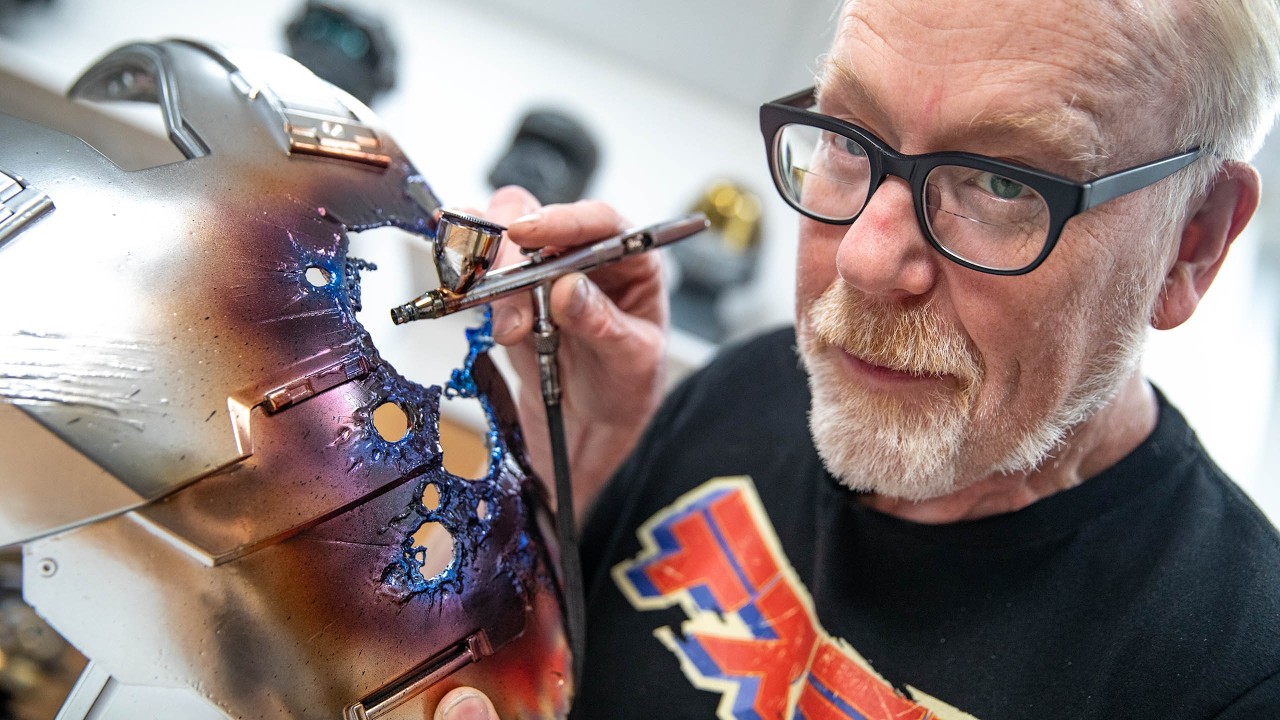
Adam Savage Explores the Art of Painting Battle-Damaged Armor with FBFX
Today in the world of design, makers and film fans were treated to an inside look at the artistry behind battle-damaged costume armor. Adam Savage, renowned for his work on MythBusters and his Tested YouTube channel, joined FBFX’s head of paint, Anadora Peralta, to learn how Hollywood’s most convincing blaster damage is created. The session highlighted not only practical techniques but also the creativity and craftsmanship that bring sci-fi armor to life.
What Happened
The feature centers on Adam Savage’s visit to FBFX, a renowned costume and special effects house based in the UK, known for its contributions to major film productions. Adam met with Anadora Peralta, the studio’s head of paint, to get a hands-on introduction to painting battle-damaged effects onto chrome armor. This session marked Adam’s first experience with airbrushing Copic alcohol inks, a medium favored for its control and vivid results.
The process began with a demonstration of how to simulate blaster impacts and wear, including layering, masking, and the strategic use of inks to create depth and realism. Anadora guided Adam through each step, from prepping the armor surface to blending inks for a scorched, metallic effect. The result was a visually striking, movie-ready piece of armor with authentic-looking damage.
The video also referenced FBFX’s previous work on iconic props, such as Darth Vader’s battle-damaged helmet from the "Obi-Wan Kenobi" series and a breastplate with a cannonball hole, underscoring the studio’s expertise in special effects painting. The segment, shot by Josh Self and edited by Norman Chan, showcased both the technical and artistic decisions that define high-end costume finishing.
Why It Matters
This collaboration offers a rare glimpse into the meticulous process that underpins the realism in film and television costume design. The use of practical effects, especially hand-painted damage, remains a critical skill even as digital effects proliferate. Techniques demonstrated by Anadora Peralta not only preserve traditional craftsmanship but also enhance the authenticity of physical props in an era where audiences are increasingly discerning.
Moreover, Adam Savage’s coverage serves as an educational resource for aspiring makers, prop artists, and designers. By demystifying the process and highlighting the accessibility of tools like Copic inks, the segment encourages broader participation in the field. For industry professionals, it reinforces the value of collaboration between designers, painters, and fabricators in achieving memorable on-screen visuals.
Key Stats
- FBFX is acclaimed for creating battle-damaged props for major productions, including "Obi-Wan Kenobi."
- Adam Savage used Copic alcohol inks for the first time in this hands-on demonstration.
- The Tested YouTube channel, where the segment aired, has over 5.6 million subscribers.
- The breastplate with a cannonball hole and Darth Vader’s helmet are notable examples of FBFX’s detailed effects work.
What's Next
As practical effects continue to play a vital role in visual storytelling, collaborations like this are likely to inspire further innovation in prop design and painting. Expect to see more behind-the-scenes content highlighting traditional techniques alongside modern technologies. For designers, the growing popularity of accessible materials and educational content will likely broaden the talent pool and elevate standards across the industry. FBFX’s ongoing contributions to high-profile projects suggest their techniques will remain influential in shaping the look of future sci-fi and fantasy productions.