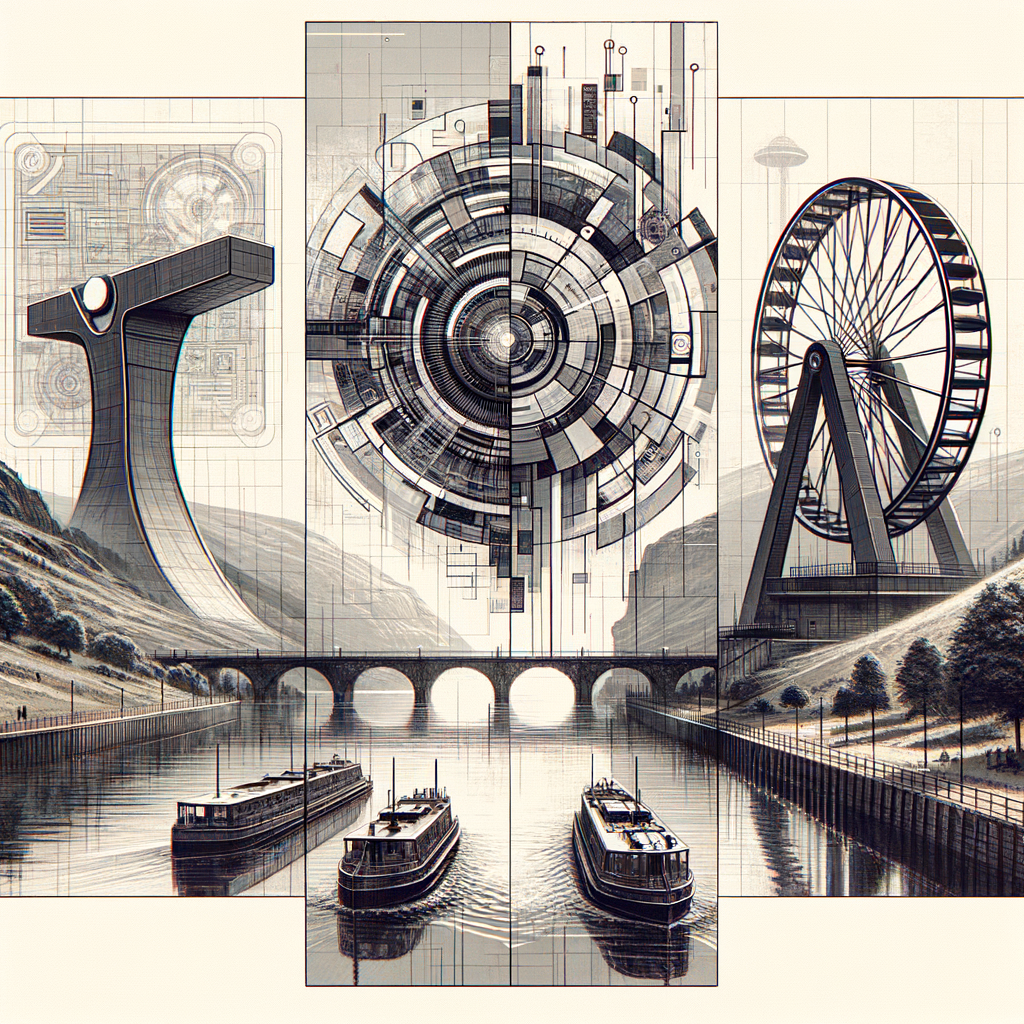
Designing for Tomorrow: Agentic AI, Generative Art, and Structural Ingenuity
Today's developments in design highlight the intersection of technology, art, and engineering. From practical frameworks for building agentic AI systems to tributes to generative art pioneers, and a nod to structural innovation, the design world is exploring new ways to foster trust, creativity, and utility.
What Happened
Agentic AI and Trustworthy UX
Smashing Magazine published a comprehensive guide on designing user experiences for agentic AI—systems capable of autonomous action. The article emphasizes that while autonomy is a technical output, trustworthiness is a design achievement. It introduces concrete design patterns, operational frameworks, and organizational practices aimed at making agentic systems not only powerful, but also transparent, controllable, and trustworthy. The focus is on user agency: control, consent, and accountability are positioned as core pillars in the design of next-generation AI interfaces.
Generative Art: Sol LeWitt’s Wall Drawings Reimagined
In a digital tribute to conceptual artist Sol LeWitt, a new spatial web gallery showcases instruction-driven generative wall drawings. LeWitt’s approach—using precise instructions to guide the creation of complex forms—is reinterpreted in a browser-based, immersive environment. The project demonstrates how generative principles first explored in physical spaces can be adapted to the digital realm, allowing broader audiences to engage with the iterative, rule-based nature of LeWitt’s work.
The Falkirk Wheel: Engineering as Design
Completing the day’s highlights is a renewed focus on the Falkirk Wheel, the iconic rotating boat lift connecting Scotland’s Forth and Clyde canals. While no detailed summary is available, the Wheel stands as a testament to the enduring power of design thinking in solving large-scale engineering challenges. It remains a symbol of functional beauty, blending utility with visual impact.
Why It Matters
The synthesis of autonomy and accountability in AI design is critical as agentic systems become more common in daily life. Ensuring users retain meaningful control while benefiting from AI-driven automation defines the next frontier of user experience. The Smashing Magazine article offers actionable insights for designers wrestling with these complexities.
Sol LeWitt’s influence continues to shape generative art, and its adaptation to digital, spatial galleries signals a democratization of artistic creation and appreciation. By leveraging code and instructions, designers and artists can enable new forms of audience participation and creative expression.
The Falkirk Wheel reminds us that design is not limited to digital interfaces or fine art; it is also embedded in infrastructure and public works. As sustainability and efficiency become more pressing, such engineering feats underscore the ongoing relevance of holistic design thinking.
Key Stats
- Agentic AI systems are projected to represent 40% of enterprise AI deployments by 2027 (Smashing Magazine).
- Sol LeWitt created over 1,200 wall drawings between 1968 and 2007, many based on generative instructions.
- The Falkirk Wheel can lift boats weighing up to 500 tonnes, using just 1.5 kWh per rotation—equivalent to boiling eight kettles of water.
What's Next
Expect increased focus on transparency and user empowerment in AI system design, with more cross-disciplinary frameworks emerging. Digital reinterpretations of generative art are likely to proliferate, making complex creative processes more accessible. Lastly, as infrastructure projects seek both efficiency and public engagement, the principles exemplified by the Falkirk Wheel will inspire future engineering endeavors.