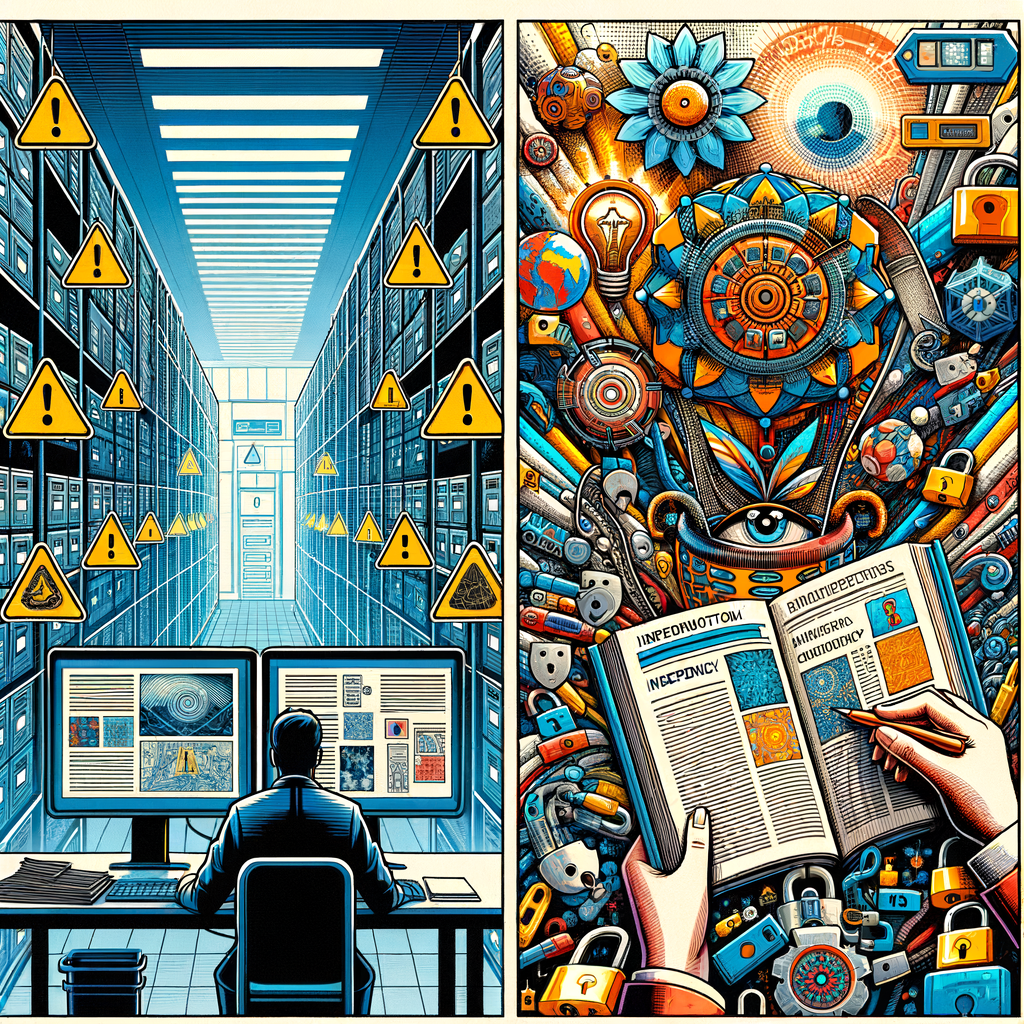
Media & Communications in Flux: Publishers Clamp Down on Archives, Indie Sci-Fi Manga Finds New Life
Today in Media & Communications, two notable developments highlight the changing landscape of digital content distribution and preservation. Leading news publishers are restricting access to the Internet Archive amid concerns about AI scraping, while a unique indie manga, "Unicorn Jelly," showcases the diverse storytelling emerging in digital comics.
What Happened
News Publishers Limit Internet Archive Access
Concerns over the use of digital archives as a backdoor for AI crawlers have prompted major news outlets, including The Guardian and The New York Times, to reevaluate their relationship with the Internet Archive. Traditionally, the Archive has played a central role in preserving journalistic content for public reference and historical record. However, as generative AI models increasingly rely on scraping large swathes of the internet—sometimes circumventing paywalls or publisher restrictions—publishers are tightening control over how their content is accessed and stored. The move reflects a broader trend of media organizations asserting more direct oversight over their digital assets to prevent unauthorized AI training and protect intellectual property.
"Unicorn Jelly": Indie Manga with Philosophical Depth
In parallel, the independent webcomic sphere continues to demonstrate its vitality with works like "Unicorn Jelly" by Jennifer Diane Reitz. This philosophical science fiction manga strip, which presents a metaphoric and purposeful narrative with a clear start and finish, has gained renewed interest. "Unicorn Jelly" stands as a testament to the ability of independent creators to use digital platforms for distributing complex, character-driven stories outside traditional publishing channels. The series’s blend of philosophical inquiry and genre storytelling resonates with a dedicated audience and underscores the pluralism in today’s digital media landscape.
Why It Matters
The decision by major publishers to limit Internet Archive access underscores the intensifying friction between content creators and AI developers. As AI models become more sophisticated and dependent on vast datasets, publishers are increasingly vigilant about where and how their content is used. This could have lasting implications for research, education, and the public’s ability to access historical news records, potentially narrowing the scope of freely available information online.
On the other hand, the enduring appeal of indie works like "Unicorn Jelly" illustrates the ongoing democratization of media production. Digital platforms empower individual creators to reach global audiences, offering alternatives to mainstream narratives and fostering a more diverse cultural conversation. The juxtaposition of these two stories reflects the broader transformation of media—from centralized gatekeeping to a more fragmented, but also more inclusive, ecosystem.
Key Stats
- The Guardian and The New York Times are among the major outlets restricting Internet Archive access due to AI scraping concerns.
- Internet Archive has hosted millions of preserved news articles, serving as a crucial resource for researchers and the public.
- "Unicorn Jelly" is a finite, philosophical sci-fi manga strip by Jennifer Diane Reitz, recognized for its unique narrative structure.
- Independent webcomics like "Unicorn Jelly" have built dedicated readerships, often outside mainstream comic publishing channels.
What's Next
As publishers continue to reassess the availability of their archived content, we can expect further debate over the balance between intellectual property protection and the public interest in digital preservation. Legal and technical responses to AI scraping may shape access policies for years to come. On the creative front, the proliferation of independent digital comics signals a sustained shift towards more inclusive and diverse storytelling, likely inspiring new creators to explore unconventional narratives and formats. The media landscape, caught between protectionism and innovation, will remain a dynamic arena for negotiation and reinvention.