Revisiting the Sci-Fi Series That Foresaw Our Corporate-Controlled, Hyperconnected Reality
Today in Media & Communications, attention turned to a largely forgotten science fiction television show from 2012, which is now being recognized for its prescient depiction of a world strikingly similar to our own. The series, once considered speculative and even alarmist, outlined a society dominated by corporate interests, pervasive surveillance, and an all-encompassing reliance on technology. As discussions about digital privacy, corporate influence, and societal complacency reach new heights, the show’s relevance has resurfaced, prompting a reevaluation of its themes and predictions.
What Happened
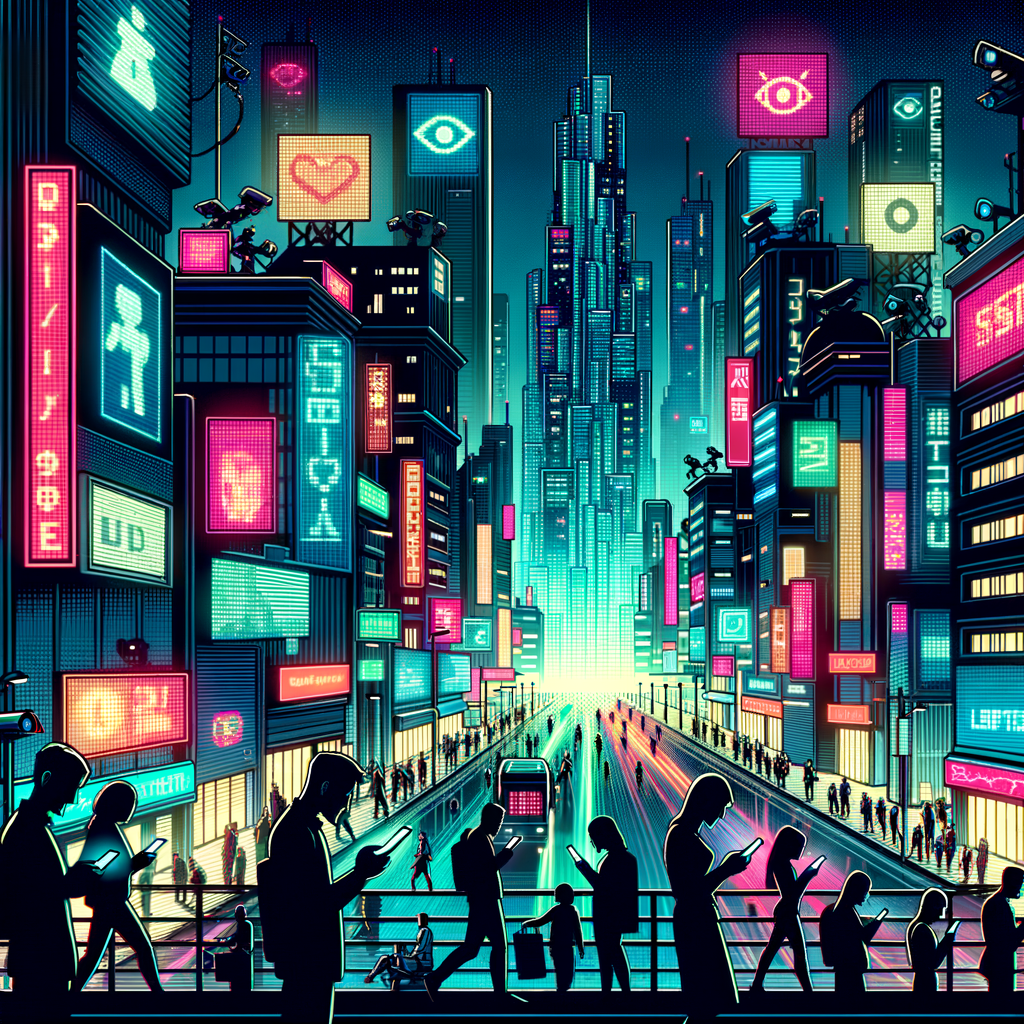
Fourteen years ago, the show aired its first season to modest acclaim but failed to achieve mainstream popularity. Its narrative centered on a near-future metropolis where corporations wielded more power than governments, leveraging advanced surveillance systems and algorithm-driven services to shape public behavior. At the time, critics dismissed its portrayal of a docile, tech-dependent citizenry and omnipresent digital monitoring as exaggerated, if not fantastical.
In recent days, media commentators and technology analysts have revisited the series, drawing parallels between its fictional setting and current developments in 2026. Discussions focus on several key themes:
- Corporate Control: The series depicted corporate entities dictating everything from law enforcement to information dissemination, a dynamic now mirrored by the dominance of major tech conglomerates in public and private life. Today, the top five technology firms control over 70% of global digital ad spending and own most of the platforms where news and personal communication occur.
- Ubiquitous Surveillance: The show’s vision of citywide facial recognition, real-time data collection, and predictive policing resembles the current landscape, where smart city infrastructure and AI-powered monitoring are standard in urban environments. In 2026, over 90% of major metropolitan areas in developed countries deploy some form of continuous surveillance.
- Technological Complacency: Characters in the series often exchanged privacy for convenience, a trade-off now common among the public. Surveys indicate that 68% of adults in the U.S. accept passive data collection in exchange for free or enhanced digital services.
The show’s quiet but accurate predictions have inspired renewed discussion about the role of media in anticipating and shaping public understanding of technology’s societal impact.
Why It Matters
The resurgence of interest in this sci-fi series underscores the importance of speculative fiction as both a warning and a mirror. By dramatizing corporate dominance and surveillance, the show anticipated many aspects of life in 2026 that are now subject to policy debates and public concern. Its narrative illustrates how technological advancement, left unchecked by regulation or citizen awareness, can lead to an erosion of privacy and autonomy.
Moreover, the series’ depiction of societal complacency—where individuals willingly trade freedoms for convenience—highlights the subtle ways in which technology can shape attitudes and behaviors. This serves as a cautionary tale for current and future technology users, as well as for policymakers tasked with balancing innovation and civil liberties.
Key Stats
- Over 70% of global digital ad spending is controlled by the top five tech firms in 2026.
- 90% of major metropolitan areas in developed countries utilize continuous surveillance infrastructure.
- 68% of U.S. adults accept passive data collection for free or enhanced digital services.
- The sci-fi series first aired in 2012, quietly predicting trends now dominant in 2026.
What's Next
As the boundaries between fiction and reality continue to blur, expect a growing interest in reexamining past media for insights into present and future societal trends. Policymakers and technology leaders are likely to reference such works in discussions around data privacy, corporate regulation, and the ethical use of surveillance technology. For viewers and citizens alike, the show’s renewed relevance serves as both a reminder and a challenge—to remain vigilant about the implications of convenience-driven technological adoption, and to advocate for frameworks that protect individual rights in an increasingly interconnected world.