Design, Simplified: Professional Workspaces and the Everyday Need for Accessibility
In today’s design landscape, the emphasis is on clarity and inclusivity. Autonomous has unveiled its Desk 5 Pro and ErgoChair Ultra 2—products that eschew flashy branding in favor of understated professionalism. Meanwhile, an essential discussion about accessibility reminds us that good design serves everyone, not just a select group of users. Here’s a look at how the pursuit of simplicity and inclusivity is shaping modern workspaces and digital experiences.
What Happened
Professionalism Without the Flash: Autonomous Desk 5 Pro and ErgoChair Ultra 2
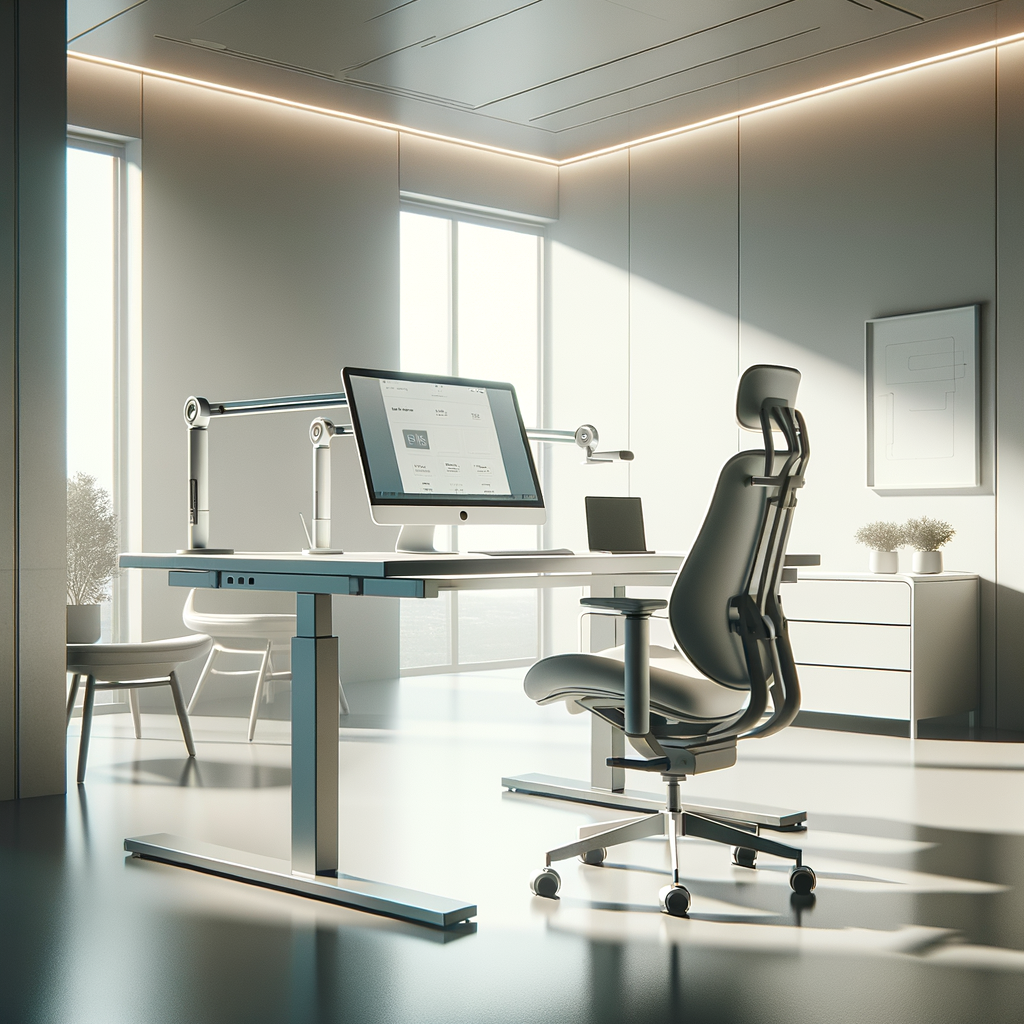
Autonomous has released two new products aimed squarely at professionals seeking a clean, distraction-free workspace. The Desk 5 Pro and ErgoChair Ultra 2 are designed with minimalism in mind—no RGB lighting, no overt branding, and a focus on ergonomic excellence. The Desk 5 Pro features robust adjustability for height and workspace configuration, while the ErgoChair Ultra 2 offers advanced lumbar support and dynamic movement to accommodate long hours at the desk. Together, they create an environment that prioritizes focus and comfort, appealing to professionals across industries who want their tools to blend seamlessly into their workflow.
Accessibility: A Universal Need
A parallel conversation highlights accessibility, challenging the common misconception that it’s only for a niche group. The reality is that accessibility features—such as larger text, high-contrast modes, keyboard navigation, and limiting flashing elements—benefit a wide range of users, often in ways they don’t consciously recognize. Good accessibility is now seen not as a set of accommodations, but as a benchmark for whether a website or product performs reliably in real-world conditions. Designers are urged to consider that accessible design and good design are, in fact, synonymous.
Why It Matters
The growing preference for professional, distraction-free workspaces reflects a broader shift toward intention in design. As remote and hybrid work remain prevalent, the demand for ergonomic and aesthetically neutral office furniture is likely to rise. Autonomous’ new offerings are a response to this trend, acknowledging that less can very much be more when it comes to productivity.
On the digital side, the reframing of accessibility as a universal design principle marks a significant evolution in thinking. Rather than treating accessibility as an optional add-on, it’s increasingly recognized as a core requirement—one that ensures digital products function for everyone, regardless of ability. This alignment benefits not just users with disabilities, but anyone who might need or prefer alternative modes of interaction due to context, environment, or temporary impairment.
Key Stats
- The Autonomous Desk 5 Pro and ErgoChair Ultra 2 are designed with zero RGB lighting and minimal visible branding, targeting professional environments.
- Ergonomic features in the ErgoChair Ultra 2 include dynamic lumbar support and adjustable tension, supporting extended work sessions.
- Common accessibility features—such as larger text and high-contrast modes—are used by a significant portion of users, not just those with diagnosed disabilities.
- Studies indicate that up to 70% of users have benefited from an accessibility feature at least once, whether intentionally or not.
What's Next
Expect to see continued demand for workspace products that blend seamlessly into professional settings, with a focus on ergonomics and understated design. As for digital experiences, accessibility will increasingly be viewed as integral to product quality. More designers and companies are likely to adopt accessibility standards from the outset, resulting in digital products that are more resilient, flexible, and user-friendly for everyone. The line between “accessible” and “good” design will continue to blur—ultimately becoming indistinguishable.