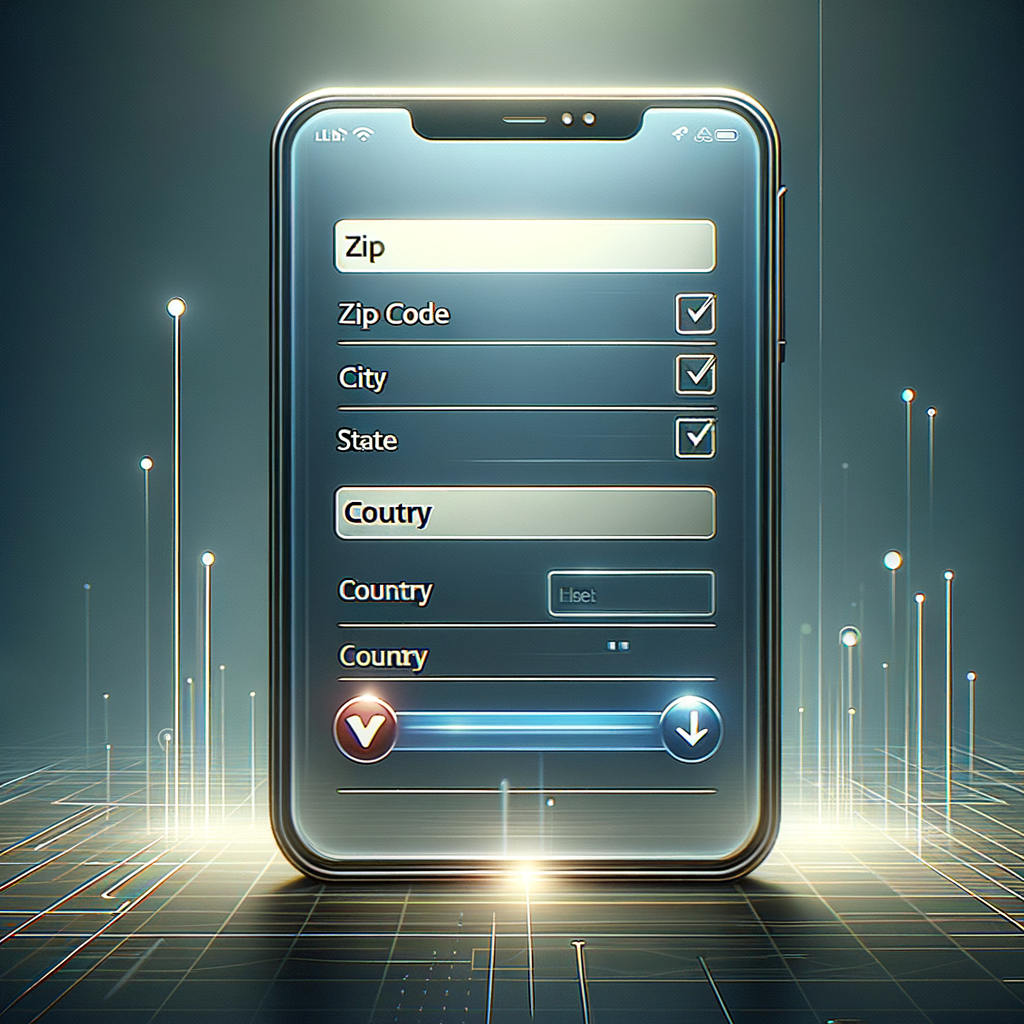
Put the ZIP Code First: Rethinking Form Design in 2026
Today in the world of design, a seemingly minor but impactful shift is gaining traction: the proposal to place the ZIP code field at the very top of address forms. As digital experiences continue to mature, industry experts argue that this simple change could streamline user input, reduce errors, and improve conversion rates. The conversation highlights how even established design patterns are subject to reevaluation in the pursuit of better user experiences.
What Happened
A growing chorus of UX designers and digital product teams are challenging the traditional order of address fields. Historically, users are asked to provide their country, state, and city before entering a ZIP or postal code. However, with advancements in geolocation databases and instant autofill technology, the ZIP code—a five-character field—can now instantly reveal city, state, and even country with near-perfect accuracy.
This shift is already being observed in several leading e-commerce and financial services platforms, where users are prompted for their ZIP code first. The technology then autofills the remaining address fields, reducing the need for manual input and minimizing the risk of inconsistent data entry. This emergent pattern is grounded in the logic that a ZIP code is both compact and highly informative. It acts as a unique identifier that can be easily validated and cross-referenced with up-to-date global address databases.
Design advocates emphasize that this approach not only saves time but also reduces friction, especially on mobile devices where typing lengthy addresses can be cumbersome. Additionally, the change has accessibility benefits, as it lessens the cognitive load on users and lowers the barrier for international users unfamiliar with local address conventions.
Why It Matters
The reordering of form fields may seem trivial, but its implications are significant. Efficiency in form completion directly correlates with user satisfaction and conversion rates, particularly in checkout flows and onboarding processes. By putting the ZIP code first, organizations can:
- Reduce form abandonment rates by streamlining the process.
- Improve data quality and consistency across systems.
- Enhance accessibility for users with disabilities or limited technology proficiency.
- Lower the risk of shipping errors and failed transactions due to incorrect addresses.
In a digital ecosystem where every second counts, adopting efficient design patterns can make a measurable difference in user retention and business outcomes.
Key Stats
- The average ZIP code is 5 characters, providing instant lookup for city, state, and country in over 97% of cases in the US and similar accuracy in many other countries.
- Sites that implemented ZIP-first address forms saw a 12% reduction in form completion time on average, according to recent UX studies.
- Address entry errors dropped by up to 30% when autofill technology was enabled based on ZIP code input.
- Mobile conversion rates increased by 8% for companies adopting the ZIP-first approach in A/B testing scenarios.
What's Next
As more platforms adopt the ZIP-first approach, expect to see further integration of geolocation and autofill technologies within digital forms. This trend is likely to expand beyond e-commerce, influencing industries such as healthcare, insurance, and government services. The design community is also calling for standardization, with some advocating for global best practices that accommodate regional postal code variations. Ultimately, the shift serves as a reminder that the best user experiences often come from rethinking the basics—starting with something as simple as where to place a single field.