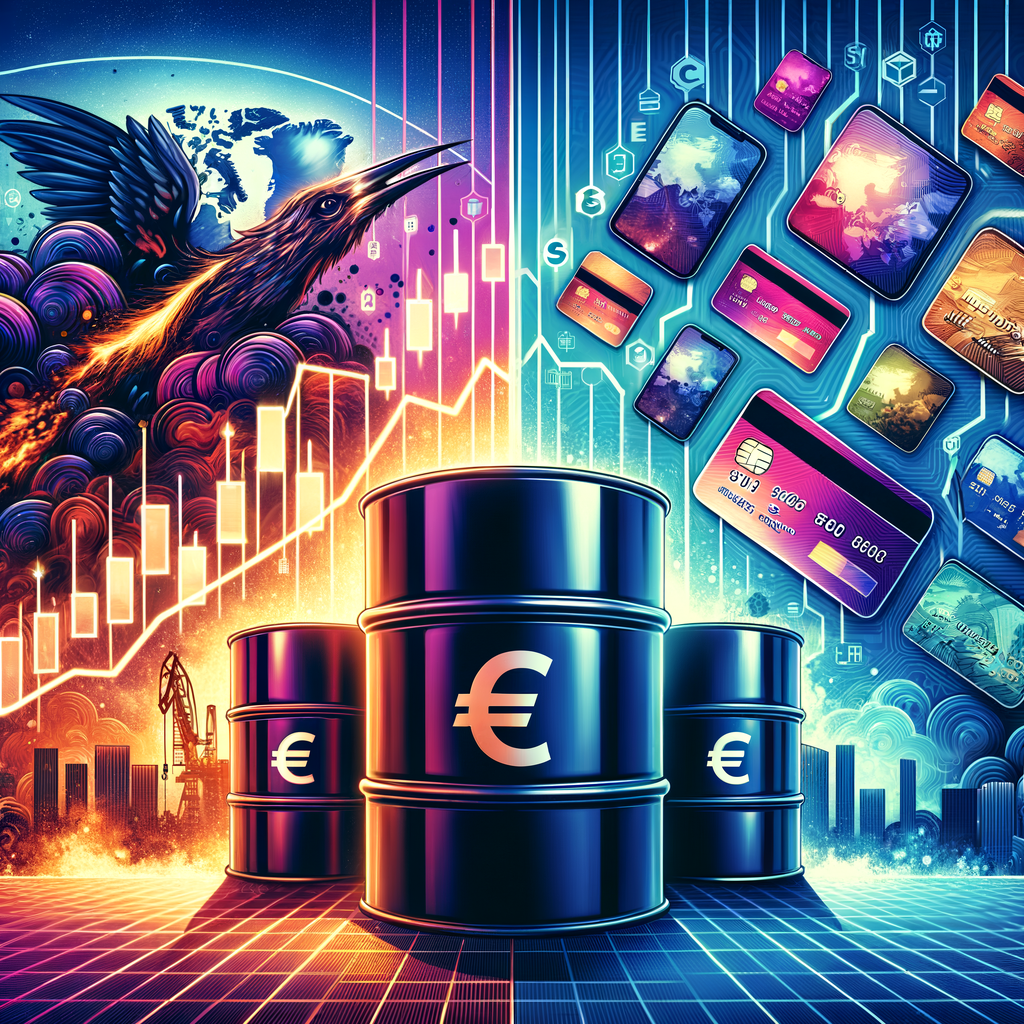
Oil Price Fears and Digital Payment Milestones: A Day of Contrasts in Finance
Today in financial news, two pivotal developments captured headlines: warnings of a possible surge in global oil prices to $200 per barrel amid geopolitical risks, and the announcement that digital payments in Europe have reached an all-time high. Both shifts underscore the rapidly evolving landscape of global finance and the challenges and opportunities that lie ahead for consumers, businesses, and policymakers.
What Happened
Geopolitical Tensions Threaten Oil Market Stability
A stark warning emerged from energy experts, highlighting the possibility that crude oil prices could soar to an unprecedented $200 per barrel. This scenario, driven by escalating tensions involving Iran, is now considered more plausible than the reassurances provided by the United States, the European Union, and the International Energy Agency. The call from experts urges the EU to seriously consider strategies to reduce consumption and prepare for potential supply disruptions, as the geopolitical situation remains highly volatile.
Digital Payments Reach Historic Highs
In sharp contrast to the uncertainty in energy markets, digital payments in Europe have reached a historic milestone. According to data from the Osservatorio, the total value of digital transactions has surged to €518 billion, a new record. Electronic payments now account for 45% of total consumer spending, overtaking cash (which has dropped to 38%). This shift signals a profound change in everyday financial behavior among both consumers and merchants. Simultaneously, the European Union is accelerating initiatives around payment interoperability, the adoption of stablecoins, and the development of a digital euro, seeking to govern and guide this ongoing digital transition.
Why It Matters
The stark divergence between these two stories illustrates the complex interplay between traditional and emerging forces in finance. On one hand, the threat of a dramatic oil price spike could have far-reaching consequences, from inflationary pressures to disruptions in global supply chains and increased costs for consumers and businesses alike. European policymakers are now confronted with the urgent need to formulate contingency plans and encourage energy efficiency.
On the other hand, the record-setting growth in digital payments reflects a broader transformation in financial infrastructure and consumer behavior. As cash becomes less dominant, the focus shifts to ensuring that digital payment systems are secure, interoperable, and inclusive. The European push towards stablecoins and a digital euro could further solidify the continent's leadership in fintech innovation, but also presents new regulatory and operational challenges.
Key Stats
- Oil prices could potentially reach $200 per barrel if geopolitical tensions escalate.
- Digital payments in Europe have reached a record high of €518 billion.
- 45% of consumer spending in Europe is now conducted via electronic payment methods.
- The share of cash transactions has declined to 38%.
- Europe is advancing projects on payment interoperability, stablecoins, and the digital euro.
What's Next
Looking ahead, the energy sector will remain highly sensitive to geopolitical developments, with the potential for further volatility in oil prices. Policymakers in the EU may intensify efforts to promote energy conservation and diversify supply sources. In the payments sector, the momentum toward digitalization is expected to accelerate further, prompting regulatory bodies to prioritize the safe, efficient, and inclusive integration of digital currencies and payment infrastructures. The next phase will likely see heightened collaboration between governments, central banks, and the private sector to navigate the complexities of this financial transformation.