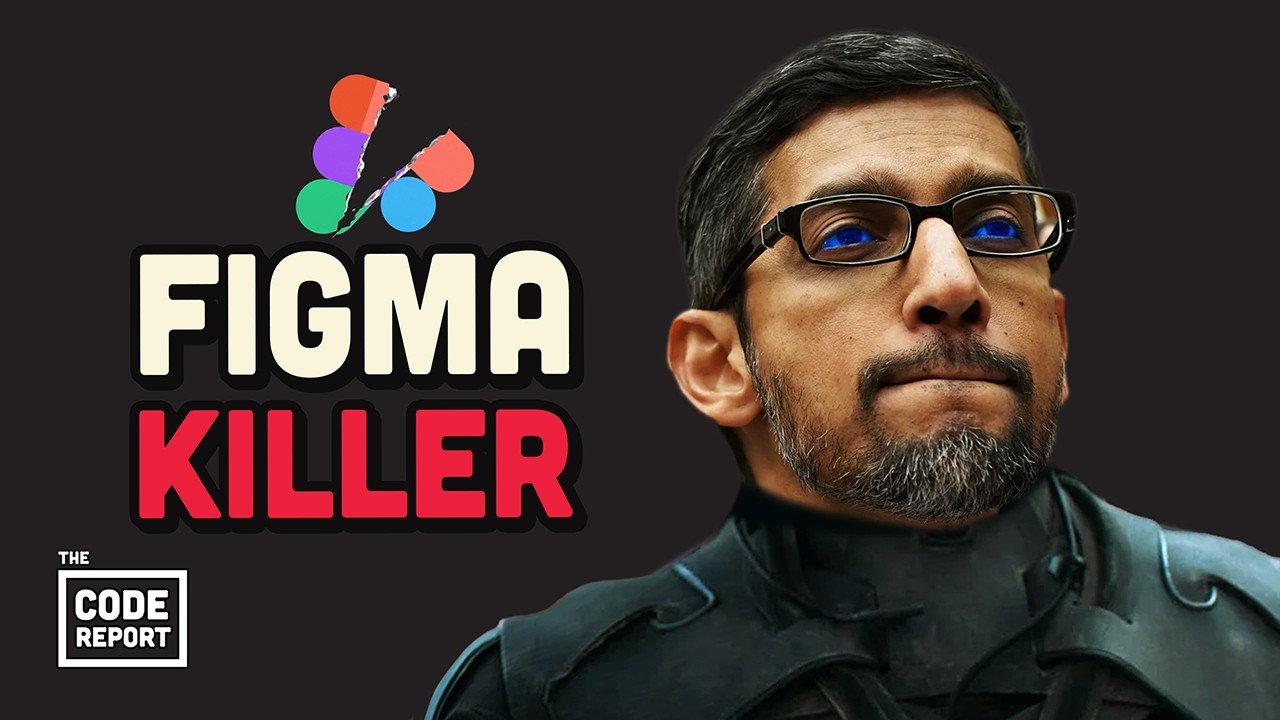
Google Stitch: The New Frontier for UI/UX Design or Just More Hype?
Today in the world of design, Google unveiled its latest innovation: Google Stitch. Positioned as a comprehensive platform to streamline UI/UX workflows, Stitch has immediately sparked debates across the tech community. Is this the breakthrough the industry has been waiting for, or another overhyped tool destined for niche adoption? We took a deep dive into everything new in Google Stitch to separate the signal from the noise.
What Happened
Google announced Google Stitch, a full-stack design and prototyping platform aimed at bridging the gap between designers and developers. The company claims Stitch will unify the entire UI/UX process, from ideation and collaborative prototyping to production-ready code export. Here are the main themes from today’s rollout:
1. Unified Workspace: Google Stitch offers a real-time, collaborative environment where designers, developers, and product managers can work together. The platform integrates design tools with code editors, version control, and feedback systems, reducing context-switching and communication gaps.
2. AI-Powered Design: Stitch’s standout feature is its generative AI assistant. By analyzing design briefs, user flows, and branding guidelines, the AI can auto-generate interactive prototypes, suggest accessibility improvements, and even refactor code for performance.
3. Cross-Platform Output: Stitch supports exporting UI components directly into frameworks like Flutter, React, and Angular—eliminating the need for manual handoff and reducing friction between design and development.
4. Security and User Management: Google is offering integrations with tools like Clerk, enabling full-stack authentication and user management within design prototypes. This allows teams to test real-world user flows early in the process.
5. Integration with Google Ecosystem: Deep integration with Google Drive, Firebase, and Workspace makes Stitch a natural fit for teams already invested in Google’s ecosystem.
Why It Matters
Google Stitch arrives at a time when UI/UX teams are increasingly distributed and under pressure to deliver polished, accessible products at speed. The promise of a unified, AI-augmented workflow could address persistent pain points: inefficient handoffs, inconsistent design systems, and siloed feedback loops.
If Stitch delivers on its claims, it could:
- Reduce development cycles by weeks or even months.
- Lower the technical barrier for non-developers to contribute to high-fidelity prototypes.
- Set new standards for accessibility, as AI-driven suggestions become the norm.
- Challenge incumbents like Figma, Adobe XD, and even code-centric tools like Storybook.
However, adoption will depend on real-world performance, compatibility with existing workflows, and the ability for teams to customize processes rather than adapt to Google’s vision.
Key Stats
- Google Stitch’s AI assistant reportedly reduces prototyping time by up to 60% in internal trials.
- Early testers report a 35% decrease in design-to-development handoff bugs.
- Over 50 third-party integrations available at launch, including Clerk for authentication.
- Stitch supports export to 5 major front-end frameworks out of the box.
- Beta access opened to 10,000 design teams worldwide this week.
What's Next
Expect a rapid wave of experimentation as design and dev teams put Stitch through its paces. Google has announced a roadmap including support for native mobile code export, deeper analytics, and expanded AI capabilities. The next few months will reveal whether Stitch is a niche tool for Google-centric teams or a true disruptor in the UI/UX landscape. For now, designers and developers alike should keep a close eye on adoption stories and integration updates.