Open-Source Creativity and the Timeless Utility of Design: Today’s Design Innovations
Today in the world of design, two stories stood out for their insight into the evolving nature of creativity and toolmaking. First, the emergence of a powerful browser-based creative suite has shown that open-source is only the beginning of its appeal. Second, Adam Savage, renowned maker and former MythBuster, engaged with his Tested community to revisit the design and philosophy behind his famed ILM-inspired toolboxes. These developments underscore both technological progress and the enduring value of thoughtful design.
What Happened
A Browser-Based Creative Suite That’s More Than Open-Source
The design community has long embraced open-source software for its transparency, accessibility, and collaborative development. However, a newly discovered browser-based creative suite is gaining attention for reasons that transcend its open-source roots. Accessible directly from any modern web browser, the suite offers a seamless, installation-free workflow—lowering the barrier to entry for aspiring artists, designers, and hobbyists.
Key features include real-time collaboration, cloud-based project management, and extensive plugin support. The interface is thoughtfully designed for usability, with toolsets rivaling established desktop applications. Open-source code enables customization, but the real innovation is in its frictionless accessibility and the robust community-driven ecosystem developing around it.
Adam Savage Reflects on Toolbox Design with the Tested Community
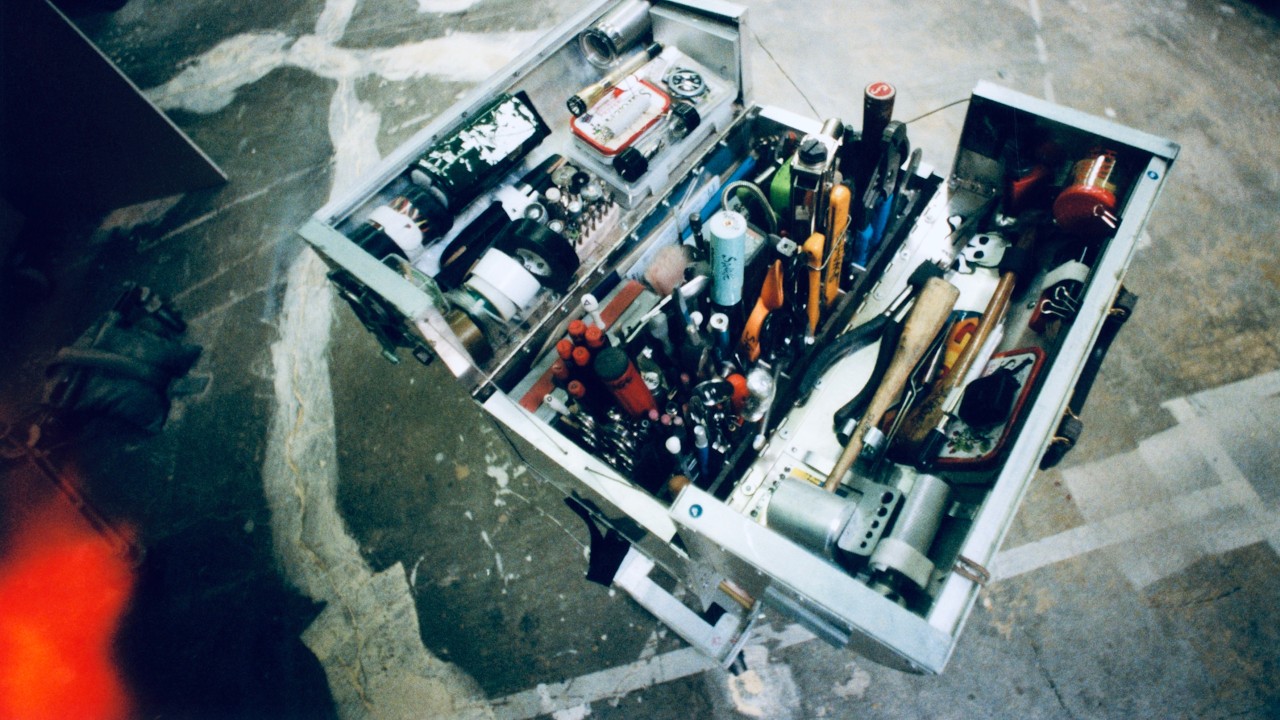
In a recent Tested livestream, Adam Savage fielded questions from members mark-c9g and Gwen-Maker-of-Things about the origins and evolution of his iconic scissor-lift toolboxes—direct descendants of engineering traditions at Industrial Light & Magic (ILM). Savage recounted the timeline of building these toolboxes and discussed how, if he were to construct them again today, he might adjust the design to better suit modern workflows and materials.
Savage’s answers highlighted not only the practical design considerations—like mobility, modularity, and tool accessibility—but also the importance of community inquiry and iterative improvement. The discussion was a testament to how design, even of something as utilitarian as a toolbox, can reflect both personal history and broader maker culture. Fans can explore the details further through Adam’s modelmaking toolbox poster and by joining the Tested community.
Why It Matters
The browser-based creative suite illustrates the next evolution in digital tools: removing installation and system compatibility hurdles to foster creativity anywhere, anytime. Its open-source nature is important for transparency and collaboration, but the true impact lies in democratizing creative technology and enabling a wider range of users to participate in design work without financial or technical barriers.
Adam Savage’s reflection on his toolboxes serves as a reminder that good design is iterative and deeply informed by use and feedback. The discussion bridges the gap between legacy craftsmanship and modern problem-solving, emphasizing that even well-established designs can and should evolve with new insights and materials. Both stories today reinforce that design is a living discipline, shaped by both technological advances and community engagement.
Key Stats
- The new browser-based creative suite is fully open-source and accessible via any modern web browser, requiring no installation.
- Real-time collaboration and plugin support are integrated, rivaling traditional desktop creative software.
- Adam Savage’s scissor-lift toolboxes are based on ILM’s modelmaker traditions, originally built during his tenure at the studio.
- Savage’s toolbox design poster and related resources are available to the public through his official site and the Tested community.
What's Next
The success and adoption of the new browser-based creative suite may prompt more developers to prioritize web-first, open-source design tools, further lowering entry barriers for creators globally. Expect increased innovation in cloud-based workflows, with greater emphasis on real-time collaboration and extensibility. Meanwhile, continued engagement between makers like Adam Savage and their communities will likely yield new iterations on classic designs, blending legacy craftsmanship with modern needs. As design tools and philosophies evolve, the gap between professional and amateur creators will continue to narrow, fostering richer, more diverse creative ecosystems.