Vibe Designing with Stitch: Google Labs Unveils Natural Language Prototyping
Today in the world of design, Google Labs introduced a transformative tool: Stitch. This new platform enables users to create design prototypes using natural language, aiming to streamline the design process for both professionals and newcomers. The announcement marks a significant development in how digital experiences are conceived and iterated.
What Happened
Stitch, an experimental product from Google Labs, is now available for designers and developers seeking to accelerate their workflow. Unlike traditional design tools that require a deep understanding of UI/UX principles and hands-on manipulation of visual assets, Stitch leverages Google AI to interpret plain English prompts and generate design prototypes instantly.
The process, described as "vibe designing," allows users to specify not just functional elements, but also the mood, aesthetic, and intent of their project. For example, a user might instruct Stitch to create "a welcoming dashboard for a mental health app with soothing colors and gentle animations." Within moments, Stitch delivers an interactive prototype that captures the described tone and layout.
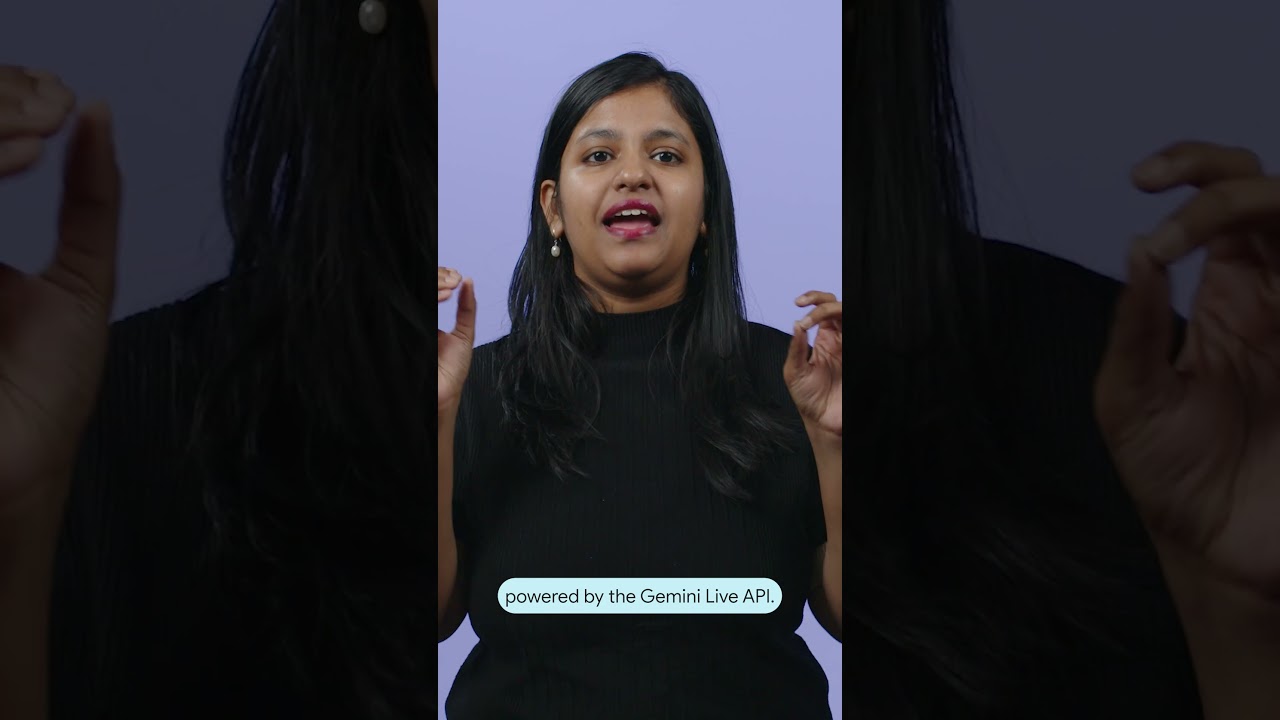
Tushara Langulya Balabolu, the featured speaker in Google’s latest blog post, highlighted how Stitch simplifies the prototyping phase. The tool is intended to lower the barrier to entry for non-designers while boosting productivity for seasoned professionals. By integrating natural language understanding with advanced design generation, Google aims to democratize high-quality design.
Stitch is accessible via Google Labs, and users can get started immediately. Full details are available in the official announcement and accompanying blog post, both linked below.
- Get started with Stitch: https://goo.gle/3O1I7mv
- Blog post: https://goo.gle/4rVBvE7
- Subscribe to Google for Developers: https://goo.gle/developers
Why It Matters
Stitch’s launch signals a broader shift in the design landscape, where AI is increasingly integrated into creative workflows. By allowing users to create and iterate on designs through conversational input, Google lowers the technical barrier and opens doors for interdisciplinary collaboration. This is particularly significant for startups, small businesses, and individuals with limited design expertise.
Moreover, the "vibe design" approach acknowledges that successful digital experiences are not just functional—they evoke emotions and reflect brand values. Stitch’s ability to interpret mood and intent positions it as a tool for holistic experience design, not just UI layout.
The implications span efficiency, accessibility, and the role of designers. While professionals may use Stitch as a rapid prototyping assistant, non-designers can engage more directly in the creative process. This democratization may lead to more diverse ideas and faster innovation cycles across the industry.
Key Stats
- Stitch is powered by Google AI and available through Google Labs as of today.
- Users can generate interactive prototypes by describing their designs in natural language.
- The tool interprets not only structure and features, but also mood, aesthetic, and intent.
- Early access is open to all users via the provided Google Labs link.
What's Next
As Stitch matures, expect increased integration with other Google tools and popular design platforms. Feedback from early adopters will likely shape future iterations, potentially expanding the range of supported design languages and export formats. The broader design community will be watching closely to assess how natural language-driven prototyping impacts traditional workflows and the role of AI in creative industries.
Google’s foray into "vibe design" may influence competitors to accelerate their own AI-powered offerings. Designers should anticipate new opportunities for collaboration and efficiency, as well as evolving expectations around what it means to create—and communicate—design intent.