Design Meets Nostalgia and Feline Companionship: Today's Creative Innovations
Today in the world of design, creative minds have reimagined familiar comforts for both digital and physical spaces. From a nostalgic reinterpretation of the iconic Windows 10 wallpaper to a Japanese innovation for pet owners working from home, these new developments reflect how designers are responding to evolving user needs and cultural trends.
What Happened
Reimagining the Windows 10 Wallpaper for Windows 11
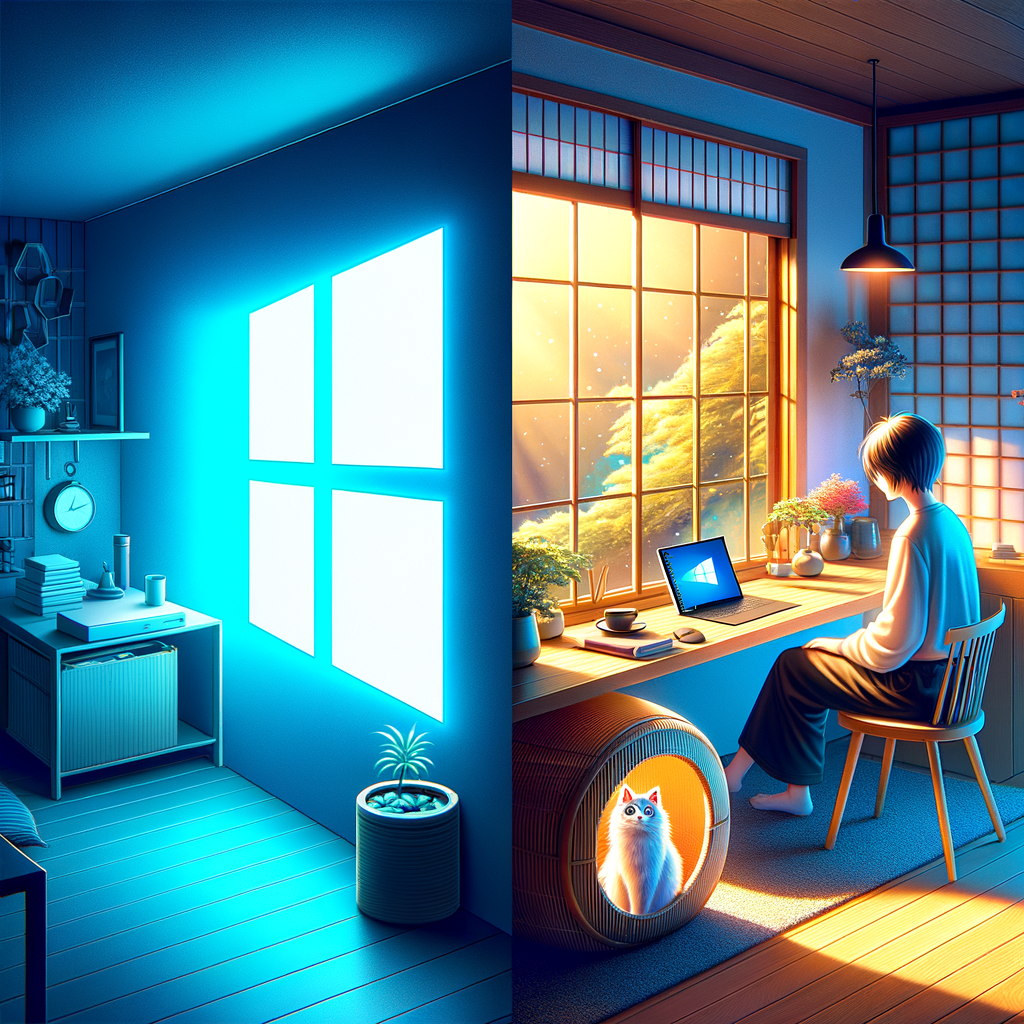
A fan designer has recreated the widely recognized Windows 10 default wallpaper—but with a twist. While the original featured the classic Windows 10 logo illuminated in blue light, this new version swaps in the Windows 11 logo, blending familiarity with the latest branding. The recreated wallpaper has been shared online for users who appreciate the aesthetic of Windows 10 but want to stay current with Windows 11’s design language. This project demonstrates the enduring popularity of Windows 10’s design, as well as the community’s creative engagement with Microsoft’s visual identity.
Japan’s Neko House Desk: Redefining Home Workspaces for Cat Owners
Meanwhile, in Japan, a novel piece of furniture has made headlines: the Neko House Desk. Specifically designed for people who work from home with a pet cat, this desk features a dedicated enclosure for feline companions. The desk allows cats to remain close to their owners while providing both parties with personal space. Photos of the desk show integrated cutouts, perches, and cozy enclosures, reflecting a deep understanding of the unique dynamics between remote workers and their pets. The Neko House Desk is being praised for its functional, user-centric design as well as its whimsical acknowledgment of cats’ role in the home.
Why It Matters
These developments highlight two important trends in contemporary design. First, the recreation of the Windows 10 wallpaper with a Windows 11 logo speaks to the power of nostalgia and user participation in shaping digital experiences. As operating systems evolve, users often seek ways to personalize their environments, blending the old with the new. This kind of grassroots design adaptation can influence official design decisions and foster a sense of community around widely used platforms.
Second, the Neko House Desk reflects the increasing importance of home office design, particularly for pet owners. As remote work becomes a long-term reality for many, furniture makers are recognizing the need for solutions that accommodate not just workers, but also their domestic companions. This innovation is a testament to how design can improve quality of life by addressing real, everyday challenges.
Key Stats
- The Windows 10 default wallpaper has been seen by over 1 billion users worldwide since the OS’s launch in 2015.
- Windows 11 was released in October 2021 and has gradually become the primary OS for new PCs, while many still prefer Windows 10’s aesthetics.
- Japan has one of the world’s highest rates of pet ownership, with over 9.5 million pet cats as of 2025.
- In a 2025 survey, 61% of Japanese remote workers reported sharing workspace with a pet.
- The Neko House Desk features a dual-level design, with a cat enclosure integrated directly below the work surface.
What's Next
Designers are likely to continue drawing inspiration from past successes while adapting to current user needs. In the digital realm, we can expect to see more community-driven customization options and reinterpretations of classic UI elements. On the furniture front, the focus on hybrid home-office solutions is set to intensify, especially as remote work remains prevalent. Pet-centric and human-centric designs will likely converge in new products that cater to harmonious cohabitation. Both trends underscore a broader shift toward empathetic, user-responsive design practices that acknowledge the evolving ways people interact with technology and their living spaces.