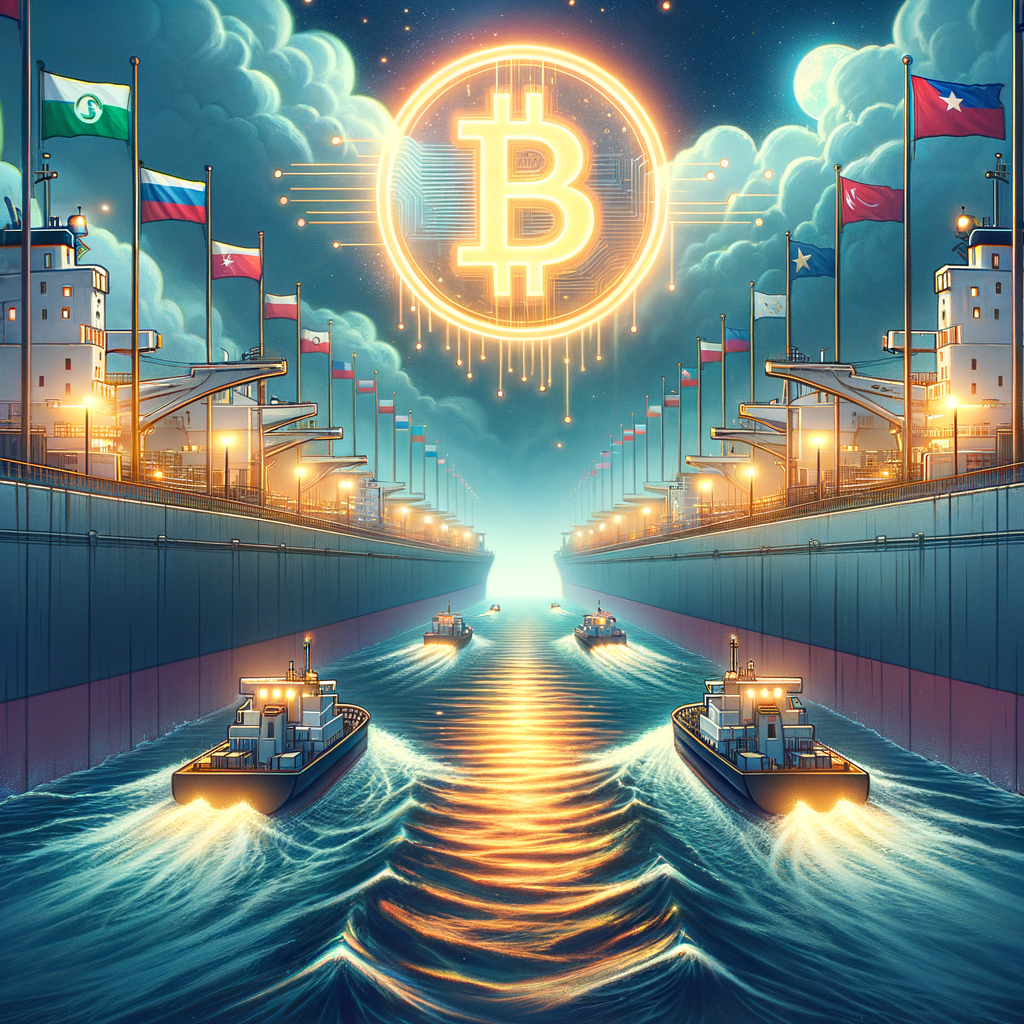
Crypto Crossroads: Iran's Strait of Hormuz Gambit Shakes Global Finance
Finance markets were jolted today by a confluence of geopolitical and economic developments centered on the Middle East. As tensions surged in the Strait of Hormuz, Iran announced a bold move to demand cryptocurrency payments for oil tanker transits. Meanwhile, market participants on Polymarket are left in limbo after a contested 'ceasefire' declaration by former President Trump, adding uncertainty to both prediction markets and global energy flows. These events underscored the growing intersection of digital assets, geopolitics, and traditional finance.
What Happened
Polymarket Bettors Face Uncertainty After Trump's Iran 'Ceasefire'
A significant number of participants on Polymarket, a decentralized prediction market, are anxiously awaiting the outcome of a high-stakes wager. The bet revolves around whether the United States and Iran would reach a ceasefire in the recent regional conflict. Former President Donald Trump's announcement of a 'ceasefire' was ambiguous and has yet to be recognized by international bodies or even the current administration. As a result, traders find themselves in a "Schrödinger's bet" scenario: the outcome—win or loss—remains in limbo, with substantial money hanging in the balance.
Iran Mandates Cryptocurrency for Strait of Hormuz Toll Payments
In a landmark policy shift, Iran declared that all tankers passing through the Strait of Hormuz must pay transit fees in cryptocurrency, such as Bitcoin. This move comes as Iran seeks to sidestep US dollar-based sanctions and shore up its access to global markets. Specifically, Iran is requiring detailed cargo disclosure from each vessel to calculate tolls, which must then be paid in digital assets before passage is permitted. This has immediate implications for global shipping, oil prices, and the adoption of cryptocurrencies in international trade.
Tanker Operators Scramble to Comply
Shipping companies now face a dual challenge: complying with Iran's cargo disclosure requirements and securing sufficient cryptocurrency to facilitate passage. This has injected new volatility into both oil and crypto markets, as firms rush to adapt to the sudden regulatory shift. The need for transparency in cargo manifests may also expose sensitive trade data, potentially complicating commercial relationships and insurance arrangements.
The USD's Shifting Role
Although details remain sparse, the day's events have sparked renewed debate over the US dollar's purchasing power and its role as the world's reserve currency. The move by Iran to require digital currencies for strategic maritime routes is seen by some as a direct challenge to dollar dominance in global energy trade.
Why It Matters
Iran's decisions signal a significant escalation in the use of economic tools to assert geopolitical influence. By demanding cryptocurrency for one of the world’s most vital maritime chokepoints, Iran is not only attempting to bypass sanctions but also to accelerate the mainstream adoption of digital assets in global commerce. This policy could drive up demand and prices for cryptocurrencies, while setting a precedent for other sanctioned states or strategic actors to follow suit.
For shipping and energy markets, the new requirements inject uncertainty and risk, potentially leading to higher operational costs and insurance premiums. The ambiguity surrounding the Polymarket ceasefire bet highlights the challenges decentralized financial markets face in interpreting complex political developments.
The USD’s role as the default medium for international trade is being tested in real time. While the immediate effect may be limited to specific routes and commodities, the longer-term implications could reshape the architecture of global finance.
Key Stats
- The Strait of Hormuz handles roughly 20% of global oil shipments each day.
- Iran is requiring all tankers to pay tolls in cryptocurrency, with fees determined by full cargo disclosure.
- The price of Bitcoin and global gas prices are expected to show increased correlation as a result of the policy shift.
- Significant funds on Polymarket remain locked due to unclear resolution criteria following Trump’s ambiguous ceasefire declaration.
What's Next
In the coming days, markets will closely watch for clarifying statements from Iranian authorities, responses from global shipping companies, and any international diplomatic moves. Oil and cryptocurrency markets are likely to experience heightened volatility as traders assess the changing risk landscape. Meanwhile, prediction market participants await a definitive resolution on the Polymarket ceasefire bet, which may set a precedent for how such platforms handle ambiguous geopolitical events. Looking ahead, the precedent set by Iran could influence other countries with strategic assets or under sanctions to consider alternative payment systems, further challenging the US dollar’s status in global trade.