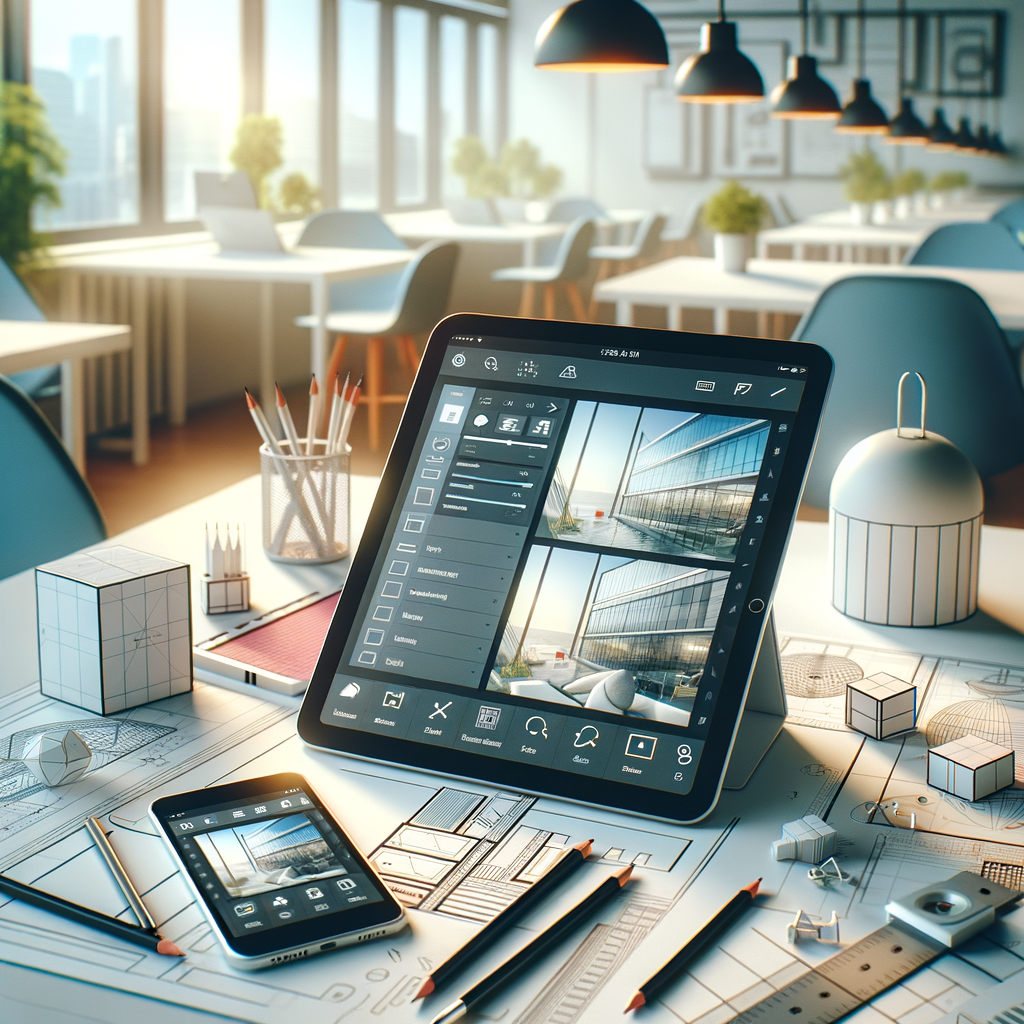
Mobile Creativity Unleashed: Luminar Mobile and Unfolder Redefine Design on the Go
The design world saw two notable developments today, with software solutions focusing on accessibility and creative empowerment across platforms. Luminar Mobile brings advanced photo editing to a wider audience via iOS, Android, and Chrome OS, while Unfolder simplifies the intricate process of creating papercraft from 3D models. These advancements reflect the increasing demand for versatile, user-friendly tools in both digital and hands-on creative spaces.
What Happened
Cross-Platform Photo Editing with Luminar Mobile
Luminar Mobile, newly available for iOS, Android OS, and Chrome OS, positions itself as an all-in-one creative companion for mobile users. The app features an intuitive, touch-responsive interface designed to make photo enhancement straightforward and accessible. Users can apply powerful edits and creative effects with minimal effort, leveraging the device they have on hand, whether smartphone, tablet, or Chromebook. Luminar Mobile’s cross-platform compatibility stands out, enabling seamless workflow continuity for users switching between different operating systems.
Simplifying Papercraft with Unfolder
Meanwhile, Unfolder targets a different, but equally creative, segment: papercraft enthusiasts and designers. This 3D model unfolding tool facilitates the conversion of digital 3D models into printable papercraft templates. By automating the process of breaking down complex geometry into flat, foldable shapes, Unfolder lowers the barrier for both hobbyists and professionals interested in papercraft, architecture modeling, or educational projects. The tool’s streamlined workflow reduces manual labor and technical know-how previously required, making papercraft creation more accessible to a broader audience.
Why It Matters
The significance of today’s releases lies in their shared focus on democratizing design. Luminar Mobile addresses the growing need for powerful, mobile-first creative tools, reflecting how photography and editing are no longer confined to desktop environments. Its cross-platform nature ensures creative continuity, crucial for users who operate across multiple devices.
Unfolder, on the other hand, is emblematic of the digital-to-physical design trend. By bridging 3D digital modeling and tangible creation, it opens new avenues for educators, artists, and makers to bring digital concepts into the real world. This ease of transition from software to physical object encourages experimentation and learning, particularly for those without advanced technical skills.
Both tools emphasize intuitive design and accessibility, signaling a broader industry shift toward inclusivity in both digital and hands-on creative processes.
Key Stats
- Luminar Mobile supports three major operating systems: iOS, Android OS, and Chrome OS.
- The app uses a touch-responsive interface optimized for mobile and tablet screens.
- Unfolder automates the unfolding of 3D models for papercraft, reducing manual template creation time.
- Both tools are designed for users ranging from beginners to professionals.
What's Next
As mobile hardware and cloud services continue to evolve, expect more creative tools to embrace cross-platform functionality and touch-first interfaces. The line between digital content creation and physical making will likely blur further, with software like Unfolder leading the charge. In the coming months, user feedback and community-driven updates will be critical in refining these tools and expanding their capabilities. Designers, educators, and hobbyists can look forward to a more integrated, accessible ecosystem that empowers creativity wherever inspiration strikes.