From Turntables to Consistency: A Day of Bold Design Experiments and Reflections
April 13, 2026 brought a diverse mix of design stories—ranging from playful academic experiments to reflections on digital clutter, and from major corporate installations in Milan to practical CSS techniques and calls for a renewed design philosophy. Today’s developments reflect both the creative spirit and the persistent challenges that shape today’s design landscape.
What Happened
Academic Playfulness: Drum Machine Meets Turntable
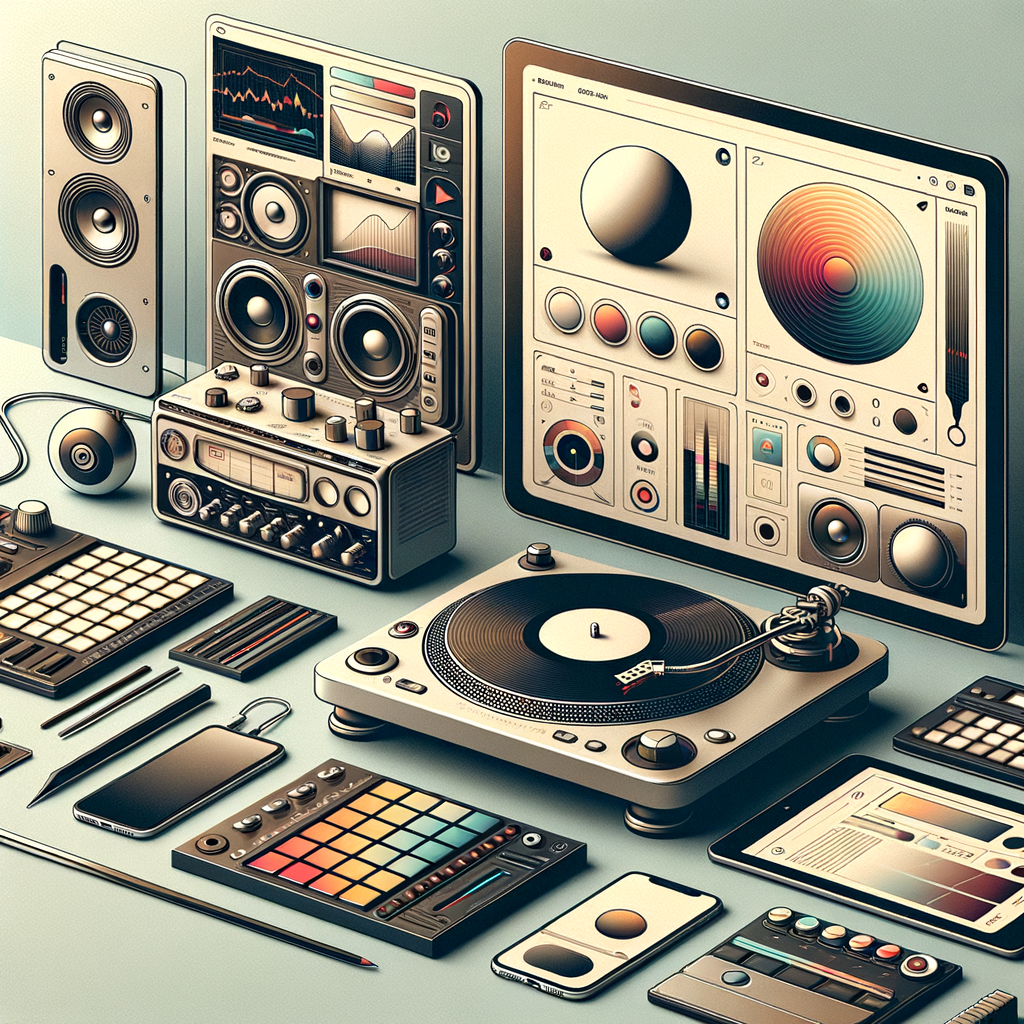
A PhD student unveiled what could be the most impractical drum machine ever—one built using a turntable. This project, more an academic exercise in the limits of beatmatching and user experience than a serious musical tool, pushes the boundaries of what constitutes an interface. By fusing analog and digital elements, it highlights both the frustrations and joys of experimental design.
Digital Minimalism: The Case Against Desktop Icons
Another voice in today’s conversation came from a designer chronicling their radical approach to desktop cleanliness—eliminating every icon, including those on the Taskbar. Their rejection of installer shortcuts and visual clutter is both a critique of current UI conventions and a manifesto for digital minimalism, advocating for a workspace free of distractions.
Corporate Art and AI: McDonald’s at Fuorisalone 2026
At Milan’s Fuorisalone, McDonald’s marked 40 years in Italy with "POOL," an exhibition mixing art, design, and artificial intelligence. The installation underscores how global brands are leveraging design as both celebration and cultural statement, integrating AI-driven creativity to reimagine public engagement.
Practical Techniques: View Transitions for the Web
On the technical front, CSS-Tricks published a guide to seven ready-to-use view transition recipes by Sunkanmi. These code snippets empower developers to create smoother, more engaging web experiences, contributing to the ongoing democratization of advanced front-end design techniques.
A Call for Idiomatic Design
Finally, a reflective essay called for a return to "idiomatic design"—the consistent, intuitive interface paradigms exemplified by desktop software from Windows 95 to Windows 7. The author laments the loss of coherence in today’s multi-platform, often touch-first interfaces, arguing that design’s evolution has come at the cost of user familiarity and efficiency.
Why It Matters
This snapshot of the design world points to several enduring trends:
- Experimental design continues to push boundaries, prompting questions about usability and user joy.
- Digital minimalism is gaining traction as users seek relief from interface clutter, influencing how designers approach workspace and application layouts.
- Corporate investment in design and AI signals a blurring of lines between art, technology, and branding, with wider implications for public engagement and experiential marketing.
- Technical knowledge sharing—like accessible CSS view transitions—demonstrates the community’s commitment to raising the baseline for web experiences.
- A yearning for consistency reflects a broader debate about the value of idiomatic, predictable interfaces versus the flexibility and novelty of modern design approaches.
Collectively, these themes reveal a design field negotiating between innovation, nostalgia, and the evolving needs of its users.
Key Stats
- McDonald’s is celebrating its 40th anniversary in Italy with a major AI-driven art and design exhibition at Milan’s Fuorisalone 2026.
- CSS-Tricks published 7 practical view transition code recipes for immediate use in web projects.
- The idiomatic design essay highlights a timeframe from Windows 95 (released in 1995) to Windows 7 (released in 2009) as an era of consistent interface paradigms.
- The desktop icon purge article critiques the default behavior of installers, which often automatically add program shortcuts to both desktop and taskbar.
- The drum machine project demonstrates the continued use of analog devices (turntables) in experimental digital design, bridging generations of technology.
What's Next
Looking ahead, expect to see more boundary-pushing experiments—both playful and practical—as designers reevaluate the tradeoffs between minimalism, consistency, and innovation. Corporate interest in AI-driven design installations is likely to grow, influencing both cultural events and consumer expectations. Meanwhile, the call for idiomatic design may spark renewed interest in creating interfaces that prioritize familiarity and user trust. As technical resources become more accessible, web experiences will continue to improve in quality and consistency. Designers and users alike will shape the next phase of digital environments—one that balances novelty with clarity and coherence.