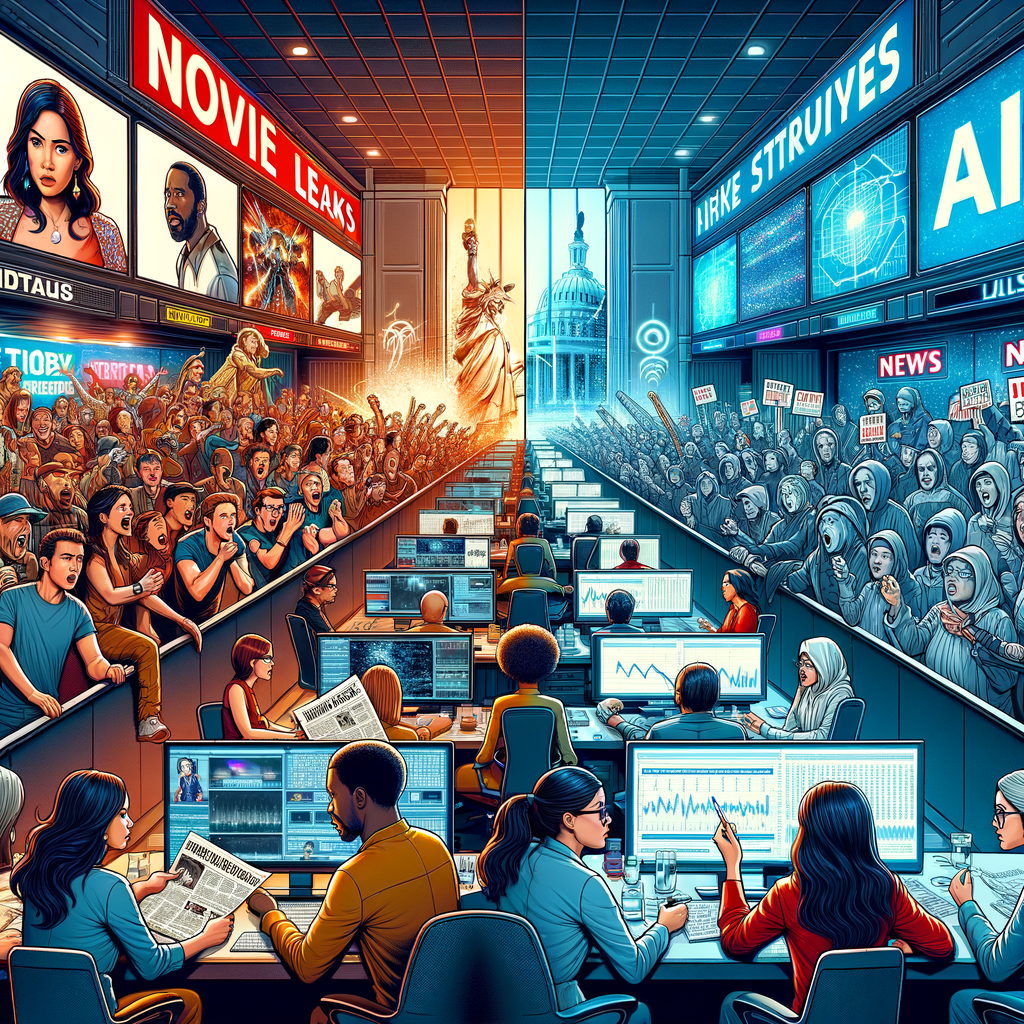
Media & Communications in Flux: Leaks, AI, and Shifting Boundaries
April 15, 2026, was a turbulent day in media and communications. The industry saw a wave of disruptions—from a high-profile movie leak and streaming glitches to a bold AI experiment in journalism and widespread labor action among Italian reporters. As traditional boundaries blur, the day’s events offer a revealing snapshot of how technology and controversy continue to reshape the ways we create, distribute, and consume content.
What Happened
Entertainment Upended: Leaks, Glitches, and Teasers
Paramount’s much-anticipated animated film, “The Last Airbender,” leaked online ahead of its official release. The leak has polarized the community: animators grieve the loss of their carefully crafted rollout, while some fans argue that Paramount’s marketing missteps and political associations justified the breach. This isn’t an isolated disruption. Prime Video also faced backlash after showing a “technical difficulties” sign during overtime of a key NBA game, prompting confusion and complaints from viewers, including LeBron James.
Meanwhile, the entertainment pipeline continues to churn. New teasers dropped for "Clayface" and "Godzilla Minus Zero," generating buzz for upcoming theatrical releases. Despite the cancellation of filming for "Knight of the Seven Kingdoms," sources indicate the series is still expected to debut its second season in 2027, reassuring fans of the Dunk and Egg saga.
Streaming and Platform Changes
YouTube rolled out a long-requested feature: the ability to turn off Shorts, their TikTok-style video format. This move marks a significant shift in how platforms respond to user feedback about compulsive content design, giving viewers more control over their experience.
Journalism and AI: Strikes and Startups
Italian journalists staged their third strike this year, citing the need to protect press freedom and quality reporting. The walkout underscores ongoing tensions over working conditions, editorial independence, and the future of European journalism.
In a parallel development, a Peter Thiel-backed startup called Objection launched a controversial service allowing users to pay for AI-driven challenges to published news stories. Supporters claim it will enhance media accountability, but critics warn it could chill whistleblowers and discourage investigative reporting.
Sports and Cultural Events
European football remains a major cultural force, with matches like Aston Villa vs. Bologna and Fiorentina vs. Crystal Palace dominating headlines. The Champions League quarterfinals also drew attention, as Bayern Munich faced Real Madrid and Arsenal took on Sporting Lisbon. Meanwhile, Italy’s MIR - Multimedia Integration Expo returned to Rimini, reaffirming the resilience of live entertainment industries.
Pop Culture & Fandom
From the celebration of National Anime Day with a list of underrated series, to pop culture news about "Good Omens" and "The Handmaid’s Tale" spinoff "The Testaments," today’s stories reflected a vibrant, if sometimes fractured, fandom landscape. AI-generated Trump-Jesus imagery and ongoing debates about recasting iconic roles (such as Han Solo at Galaxy’s Edge) showcase how fan culture and meme-making continue to influence media narratives.
Why It Matters
These developments highlight the precarious balance between creative control, technological disruption, and audience empowerment. Leaks like that of “The Last Airbender” expose vulnerabilities in content pipelines, challenging studios to rethink both security and audience engagement. Streaming service outages and new features like YouTube’s Shorts toggle reflect the growing expectation for reliability and user agency in digital media.
The ongoing journalist strikes and Objection’s AI initiative point to deeper questions about trust, accountability, and the potential chilling effects of automation on free expression. As media organizations wrestle with these issues, the outcomes will shape the future landscape for both creators and consumers.
Key Stats
- “The Last Airbender” leak occurred before its official release, impacting months of marketing and production work.
- Italian journalists staged their third strike in 2026, protesting working conditions and threats to press freedom.
- Major Champions League matches (Bayern Munich vs. Real Madrid, Arsenal vs. Sporting) aired to millions today.
- YouTube now allows users to set Shorts scrolling time to zero minutes per day, giving full opt-out control.
- MIR - Multimedia Integration Expo continues as the leading live entertainment event in Rimini, Italy.
What's Next
Expect studios to revisit digital security protocols and invest in new audience engagement models in response to the leak backlash. Streaming platforms will likely prioritize infrastructure improvements and more customizable user experiences. The intersection of AI and journalism will attract both regulatory scrutiny and public debate, as the industry weighs innovation against ethical and legal risks. With labor actions and fandom engagement intensifying, media organizations must navigate an increasingly complex environment—balancing creativity, technology, and public trust.