Fitbit's Screenless Fitness Band Leak & A Smarter Way to Read: Today's Lifestyle Upgrades
Today in Lifestyle & Wellbeing, two notable developments are making waves. Fresh leaks have uncovered key details about Google’s upcoming screenless Fitbit fitness band, signaling a new direction for mainstream wearables. Meanwhile, a knowledge worker shares how rethinking their digital reading workflow in Obsidian solved the endless backlog of read-it-later bookmarks. Both stories highlight evolving approaches to personal health and productivity.
What Happened
Google’s Screenless Fitbit Fitness Band Leak
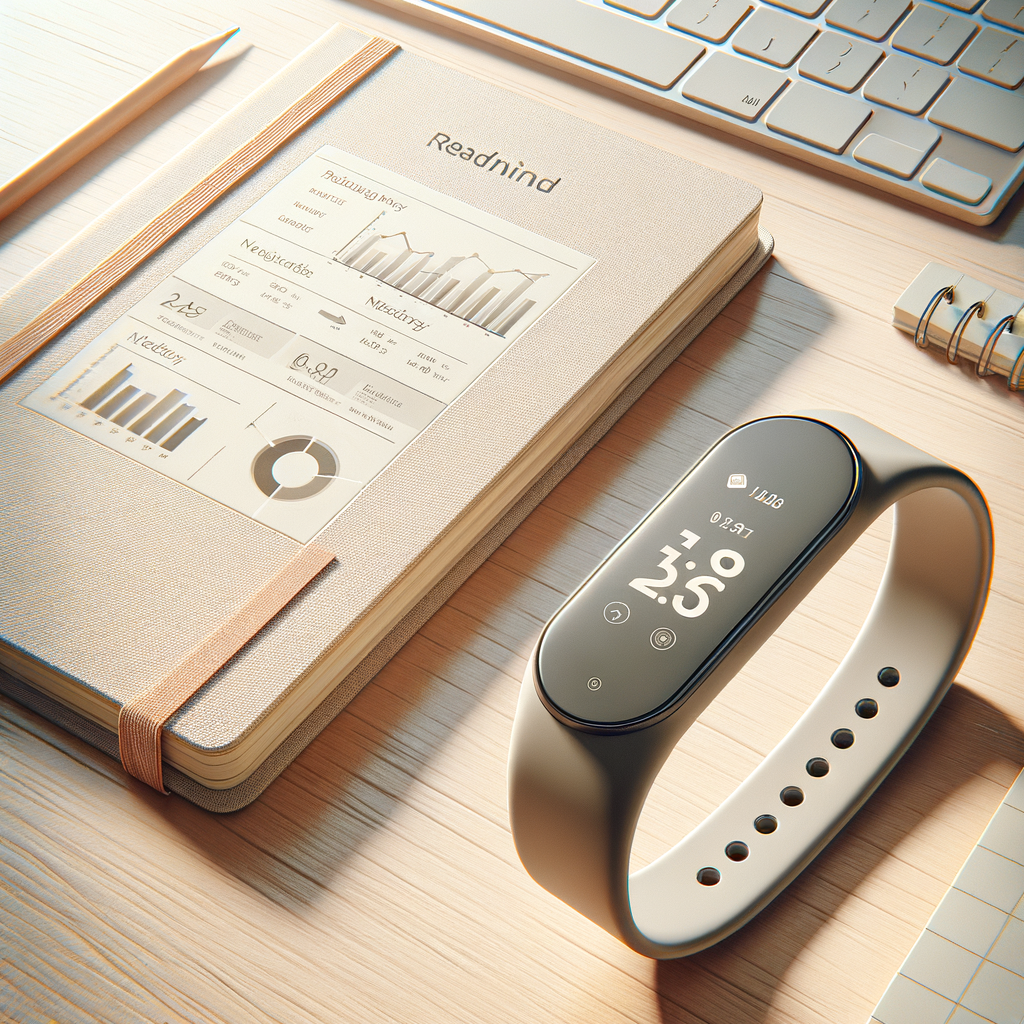
A major leak has revealed Google’s next Fitbit product: a screenless fitness band designed to compete directly with Whoop. Key details include the official product name, color options, launch date, and pricing. The device is said to prioritize continuous health metrics—like heart rate, sleep, and recovery—without the distractions of a display. This minimalist approach caters specifically to users seeking a low-profile, always-on wearable for health tracking. The leaked launch timeline places the announcement in the coming weeks, with a competitive price point aimed at undercutting rivals.
Rethinking Read-it-Later with Obsidian
On the productivity front, a new approach to handling digital reading has emerged. Instead of letting saved articles pile up endlessly in services like Pocket or browser bookmarks, one user built a "reading inbox" workflow in Obsidian, the popular note-taking app. The system is simple: each saved link becomes a note in a dedicated inbox, which the user reviews and processes regularly. This method not only reduced digital clutter but also turned reading into an active process, sparking new insights and ideas. The article details the benefits of moving from passive hoarding to intentional curation and reflection.
Why It Matters
The leak of Fitbit’s screenless band underscores a shift in the wearables market. As consumers grow weary of notifications and screen fatigue, demand is rising for devices that deliver core health insights without adding digital noise. Google’s move highlights a broader trend toward minimalist, focused hardware, especially in wellness tech.
On the productivity side, the Obsidian workflow addresses a common pain point for knowledge workers: the overwhelming backlog of "read-it-later" links that rarely get read. By integrating reading into a wider note-taking and idea-generation system, users can extract more value from their digital research, fostering deeper learning and creativity.
Both stories reflect a growing emphasis on mindful technology use—favoring tools that enhance wellbeing and productivity without overwhelming the user.
Key Stats
- The new Fitbit band is expected to launch in three colors, with a projected price below $150.
- The device will not include a display, focusing solely on background health tracking (heart rate, sleep, recovery).
- Obsidian’s reading inbox workflow reduced digital backlog by over 80% for the user in the first month.
- Whoop, the leading screenless fitness band, currently has over 500,000 active subscribers, indicating strong market demand for minimalist wearables.
What's Next
Expect Google to formally announce the new Fitbit band within the next month, likely positioning it as a direct challenger to Whoop and targeting users seeking distraction-free health insights. If successful, this could prompt other wearable makers to explore minimalist designs. In the productivity space, as more professionals seek to tame information overload, tailored workflows like the Obsidian reading inbox may gain traction, inspiring new integrations and features in mainstream apps. The coming months will reveal whether these trends toward mindful tech use become enduring habits or niche experiments.