Design Frontiers: Kia’s Double Showcase at Milan and the Rise of Browser-Based Film Simulation
Today’s developments in design spotlight two contrasting but equally innovative directions: Kia’s ambitious presence at the 2026 Milano Design Week with a pair of immersive exhibitions, and the launch of FAX OFFICE 1987, a web-based film camera simulator recreating legendary analog photography in the digital space. Both stories underline how design thinking now bridges physical experience and digital experimentation.
What Happened
Kia’s Dual Exhibitions at Milano Design Week 2026
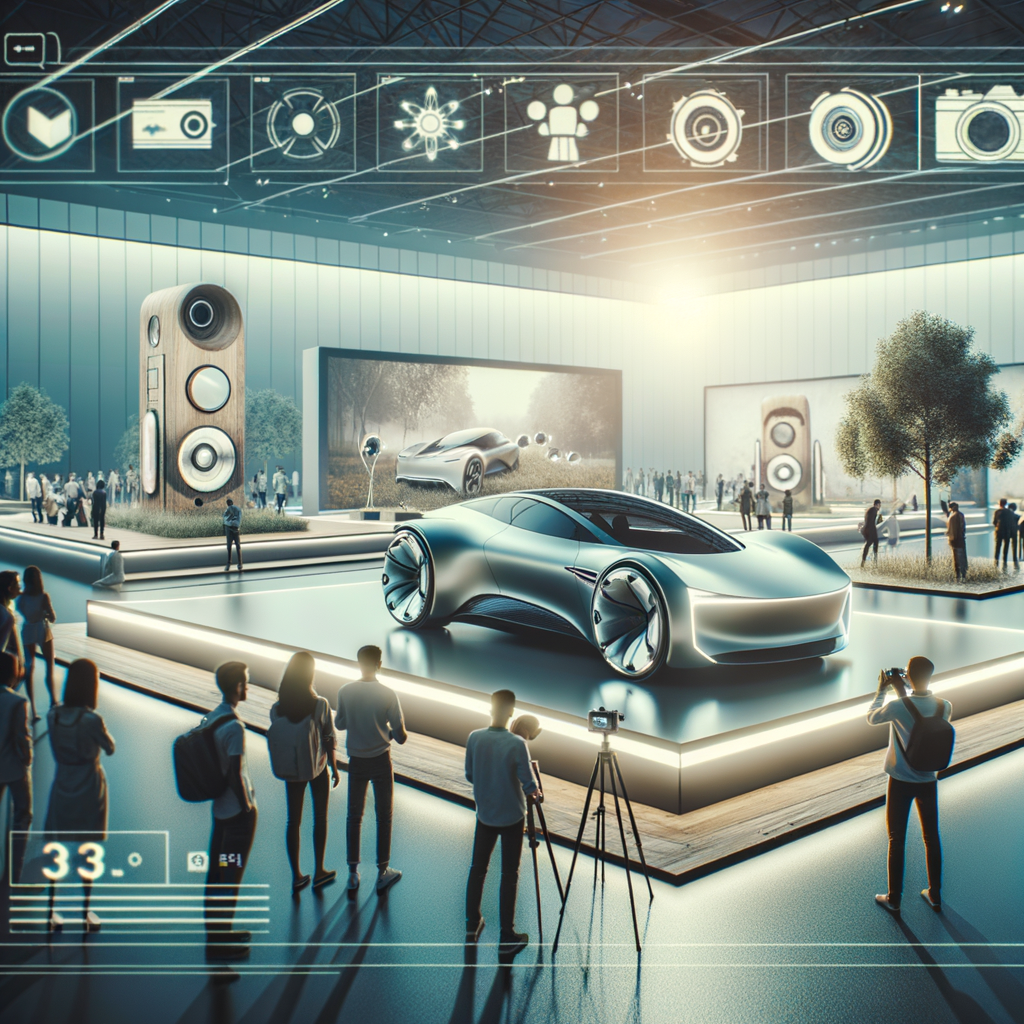
Kia, the South Korean automotive giant, took center stage at this year’s Milan Design Week by unveiling two major exhibitions. These shows, blending installation art and automotive concept, are crafted to communicate Kia’s Opposites United design philosophy—a vision that fuses contrasting elements to create harmony and innovation. Visitors can experience both large-scale installations and a curated display of electric concept cars, positioning Kia not just as a carmaker but as a design influencer in broader cultural conversations.
Both exhibitions are distinct yet connected. One focuses on immersive spatial storytelling through interactive installations, while the other showcases the latest in Kia’s electric vehicle (EV) design language. The synergy between art and engineering aims to provoke new dialogues about sustainability, technology, and aesthetics in mobility.
FAX OFFICE 1987 — Film Camera Simulator
On the digital front, FAX OFFICE 1987 introduces a browser-based tool allowing users to emulate eight iconic film cameras directly online. Notable models include the Contax T2, Leica M3, and Polaroid SX-70. The simulator requires no account or uploads—users simply drag and drop a photo to receive a digital "transmission" processed as if shot on a classic analog camera.
This project leverages advances in browser technology to democratize access to historic photographic aesthetics, attracting both nostalgic photographers and new digital creatives. The instant, private workflow and faithful simulation of film characteristics set FAX OFFICE 1987 apart from conventional photo filters.
Why It Matters
Kia’s commitment to presenting at Milan Design Week signals the growing convergence of automotive and design industries. By positioning itself at a global design event, Kia underscores the importance of design-led innovation not only for vehicles but for broader lifestyle and urban contexts. The focus on Opposites United reflects an industry-wide shift toward philosophies that embrace contradiction and complexity, rather than singular narratives.
Meanwhile, FAX OFFICE 1987’s launch highlights the appetite for analog aesthetics in a digital world. As creative tools increasingly move to the browser, designers and photographers gain unprecedented flexibility and immediacy. Simulators like this reduce barriers to entry and expand the reach of historically exclusive experiences, fostering experimentation and cross-generational inspiration.
Key Stats
- Kia presents 2 separate exhibitions at Milan Design Week 2026, both themed around Opposites United.
- FAX OFFICE 1987 simulates 8 legendary film cameras, including the Contax T2 and Leica M3.
- The camera simulator requires zero signup or upload—users simply drag and drop photos online.
- Both Kia exhibitions include electric concept cars, highlighting the company’s EV design ambitions.
What's Next
Kia’s embrace of design-centric events suggests further collaborations between automotive brands and the arts, potentially inspiring new forms of mobility and user experience. Expect more automakers to participate in cultural festivals, using design as a bridge to new audiences and markets.
On the digital side, the success of FAX OFFICE 1987 may encourage the development of more sophisticated browser-based creative tools—supporting not only greater access but also richer simulation of tactile, analog experiences. As platforms multiply and user expectations rise, the line between digital and physical design will continue to blur, opening up new creative possibilities.