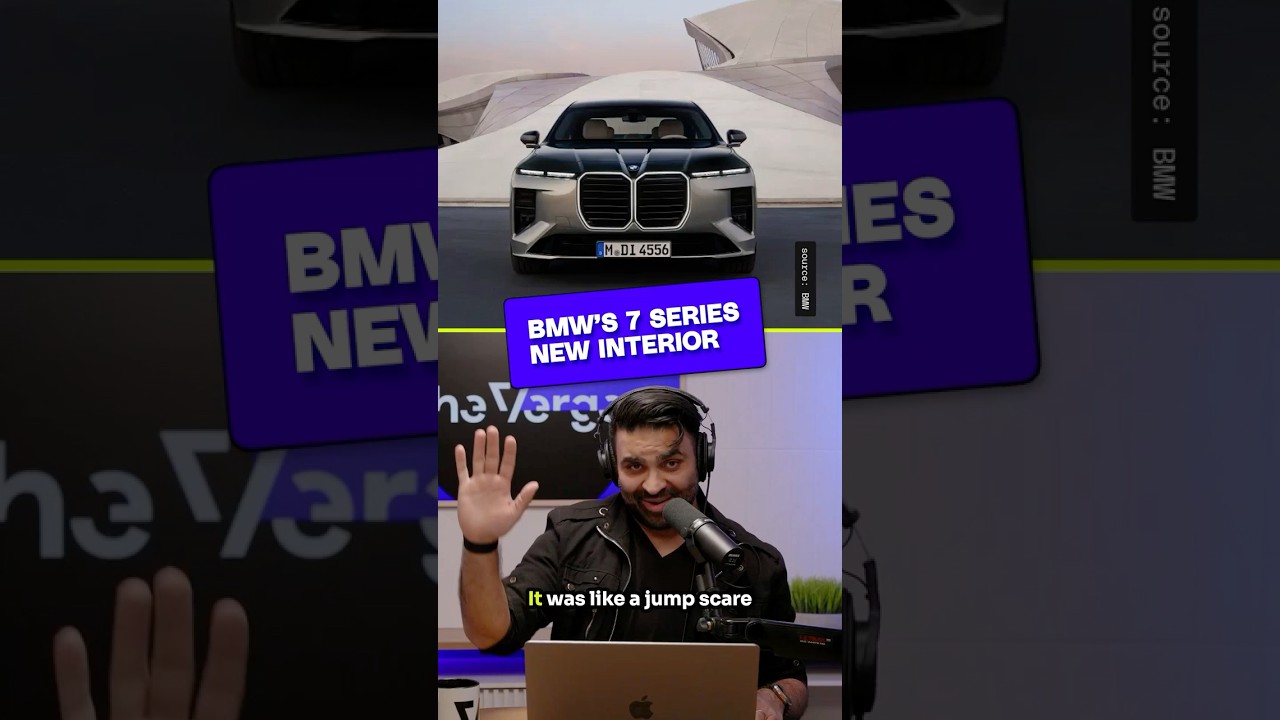
BMW’s 7 Series Neue Klasse Interior: Bold Moves, Mixed Signals
Today in design, BMW has revealed a significant update to its flagship 7 Series sedan. The new interior, inspired by the company’s ‘Neue Klasse’ design language, signals a bold shift in luxury automotive aesthetics. However, the choices made in this refresh are igniting debate among both design experts and loyal BMW enthusiasts.
What Happened
BMW officially unveiled the interior redesign of its 7 Series sedan, integrating elements from its forward-looking Neue Klasse concept. The Neue Klasse, first introduced as a vision for BMW’s future electric vehicles, is characterized by minimalist lines, advanced digital interfaces, and a reimagined approach to traditional luxury.
Inside the refreshed 7 Series, the most striking changes include a wide digital dashboard that spans almost the entire cabin, illuminated crystal accents embedded in the door panels, and an ambient lighting system that can be personalized via the infotainment interface. Piano black surfaces dominate much of the dashboard and center console, while the steering wheel adopts a flattened bottom and a more geometric layout of controls.
BMW’s iDrive system has also been overhauled, with a new haptic feedback touch interface and expanded integration for voice and gesture controls. The traditional gear selector is now a compact toggle switch, freeing up center console space but departing from the tactile feel many drivers expect. Meanwhile, the back seat now features an 8K panoramic theater screen that folds down from the roof, echoing the entertainment ambitions of previous 7 Series generations.
Despite these innovations, some design decisions have sparked confusion. Critics point to the abundance of glossy black surfaces, which are prone to fingerprints, and question whether the illuminated crystals align with BMW’s understated German luxury ethos. The blend of digital and physical controls, while modern, has also led to concerns about usability, especially while driving.
Why It Matters
The 7 Series has long served as BMW’s showcase for its most cutting-edge design and technology. By transplanting Neue Klasse elements into its flagship sedan, BMW is signaling not just a transition to EVs but a willingness to rethink what luxury should look and feel like in the digital age.
The move highlights the tension between innovation and tradition. While some customers will embrace the high-tech, customizable environment, others may find the shift away from tactile controls and subdued aesthetics disorienting. This redesign will likely influence the direction of BMW’s wider lineup and set a precedent for how legacy automakers balance digital transformation with brand heritage.
Key Stats
- The new digital dashboard stretches nearly 50 inches across the cabin, merging driver and passenger displays.
- BMW’s new ambient lighting system offers over 30 customizable color schemes.
- The panoramic 8K rear theater screen measures 31 inches diagonally.
- More than 60% of cabin controls are now touch- or voice-activated, up from 40% in the previous generation.
- The revised iDrive system supports over-the-air updates and is compatible with both Android Auto and Apple CarPlay.
What's Next
The 7 Series interior refresh will begin rolling out in global markets later this year, first with hybrid and fully electric variants. Industry watchers expect the Neue Klasse design cues to appear in other BMW models over the next 18 months, particularly the upcoming 5 Series and X7 SUVs.
As luxury automakers race to define the post-combustion era, the success or backlash to BMW’s new interior will offer valuable lessons. Will the market embrace digital-centric luxury, or will there be calls to return to more analog traditions? BMW’s design gamble is poised to shape not just its own brand, but the future of high-end automotive interiors.