Americans Lose Billions to Investment Scams as Crypto Debate Heats Up
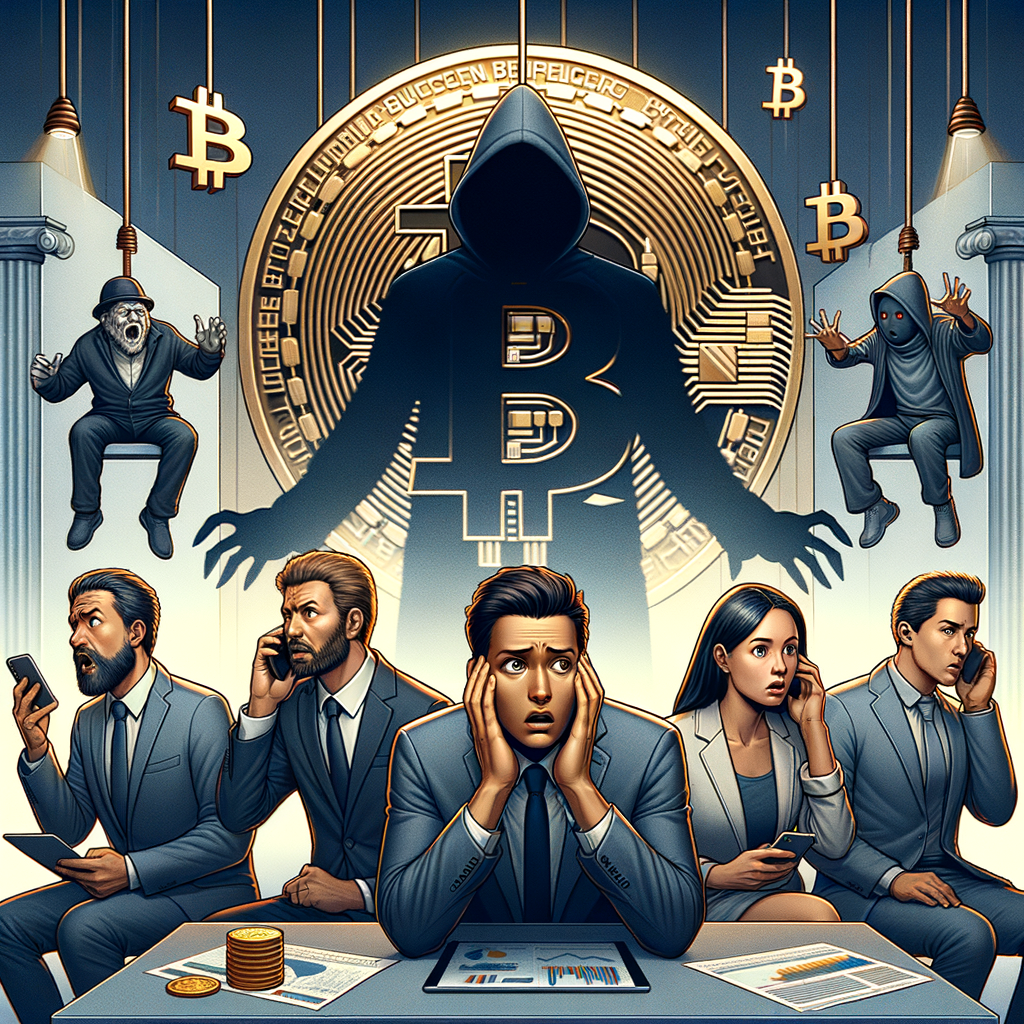
Finance news today brings a sobering reminder of the risks lurking in the digital economy. Americans lost a staggering $2.1 billion to investment scams—a new record—underscoring concerns about personal financial security. Meanwhile, the crypto world remains embroiled in debate as actor-director Ben McKenzie, on the latest “Big Interview” podcast, urges the public to stop fixating on the true identity of Bitcoin’s creator, Satoshi Nakamoto, and focus instead on the real dangers posed by the crypto market.
What Happened
Investment Scams Surge in 2026
The Federal Trade Commission (FTC) and consumer watchdogs report that Americans lost $2.1 billion to investment scams in just the past year. These scams, ranging from fraudulent crypto schemes to bogus trading platforms, have taken advantage of both novice and experienced investors. The rapid adoption of digital finance tools has made it easier for scammers to reach targets and harder for individuals to distinguish legitimate opportunities from sophisticated frauds.
Financial experts are urging increased vigilance, offering practical tips to help the public avoid falling prey. Their advice includes:
- Verifying the legitimacy of investment platforms.
- Being skeptical of promises of guaranteed returns.
- Double-checking contact information and regulatory status.
- Never sharing personal information with unverified sources.
Crypto’s Ongoing Mystique and the Satoshi Debate
Simultaneously, the cryptocurrency sector remains a flashpoint for controversy. On this week’s “Big Interview” podcast, Ben McKenzie—actor, director, and outspoken crypto skeptic—discusses the risks inherent in the crypto ecosystem. McKenzie argues that crypto’s allure is partially sustained by the enduring mystery of its creator, Satoshi Nakamoto. Rather than obsessing over unmasking this anonymous figure, McKenzie suggests that attention should be directed toward the very real and present risks that crypto poses, especially to retail investors.
McKenzie’s remarks come amid a wave of renewed interest in crypto after a volatile year and ongoing legal scrutiny. He emphasizes that the lack of regulation and transparency in the crypto market makes it a fertile ground for scams, further compounding the concerns raised by the FTC’s report on investment fraud.
Why It Matters
The convergence of growing investment scams and ongoing crypto uncertainty highlights the urgent need for increased education, regulation, and vigilance. For everyday investors, the risks are no longer theoretical. The sheer scale of losses points to a significant vulnerability in how financial products are marketed and consumed.
Moreover, the debate around Satoshi Nakamoto’s identity reflects a broader challenge: the tension between technological innovation and accountability. The cult of personality around anonymous creators can distract from critical assessment of the technology’s risks and benefits. As McKenzie points out, the focus should shift from myth-making to protecting consumers and ensuring the integrity of financial systems.
Key Stats
- Americans lost $2.1 billion to investment scams in 2026, according to the FTC.
- Investment scam losses have increased significantly year-on-year, with digital platforms accounting for the majority of incidents.
- Crypto-related scams are among the fastest-growing categories, targeting both new and experienced investors.
- Regulatory action remains piecemeal, with calls for stronger oversight intensifying.
What's Next
With losses mounting and regulatory scrutiny increasing, the financial sector can expect heightened enforcement and more aggressive public education campaigns. Lawmakers are likely to propose new rules targeting both traditional and crypto-based investment scams. Meanwhile, the debate about crypto’s legitimacy—and the fascination with its mysterious founder—will continue to shape public perception and policy. For investors, the message is clear: vigilance and skepticism are more essential than ever in the current financial landscape.