Preservation, Progress, and New Frontiers: Today’s Media & Communications Landscape
Today’s headlines in Media & Communications highlight dynamic shifts across entertainment and digital culture. From the ongoing debate about video game preservation to fresh developments in major game franchises and new entries in science fiction television, the industry is in a state of flux and renewal. These stories underscore the pressures and possibilities facing creators, consumers, and policymakers alike.
What Happened
Sci-Fi’s Quiet Gem: Aphelion
In a media environment saturated with fast-paced, high-budget science fiction, the new series "Aphelion" is making its mark by taking a different approach. Described as a “nice slow burn,” Aphelion offers viewers a more contemplative and gradual narrative experience. While major franchises command attention with spectacle, Aphelion is winning over critics looking for depth and patience in storytelling.
Resident Evil Requiem: Mini-Game on the Horizon, Chapter 2 Scrapped
Meanwhile, the world of video games saw a significant update from the developers of "Resident Evil Requiem." The game's director teased the imminent release of a free mini-game, possibly arriving as soon as May 7. However, fans may be disappointed to learn that a planned “Chapter 2” has been officially scrapped. The decision reflects ongoing challenges in game development, particularly regarding scope management and resource allocation.
‘Stop Killing Games’ Makes Its Case in EU Parliament
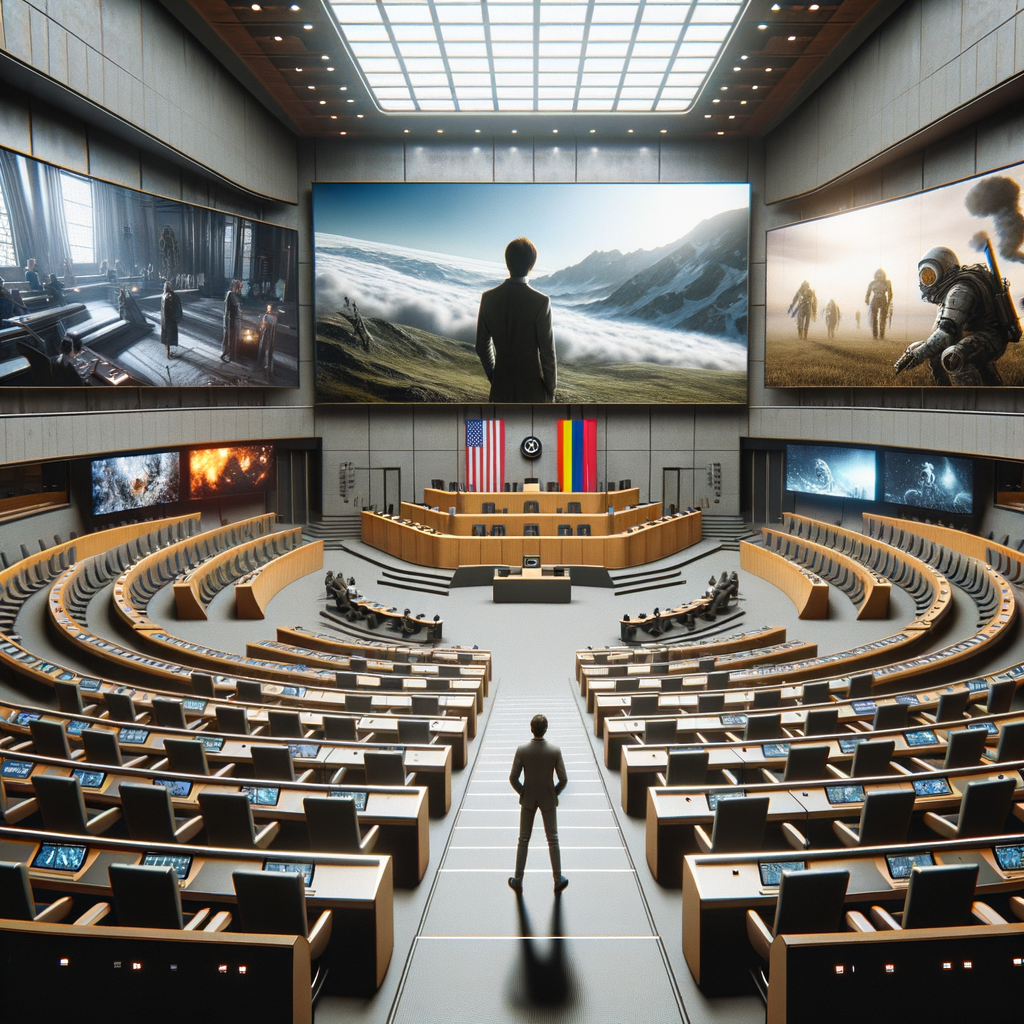
In the realm of digital preservation, the ‘Stop Killing Games’ campaign took a major step forward by securing a hearing at the European Parliament. This initiative is part of a broader movement advocating for the preservation of video games—a vital but often overlooked aspect of cultural heritage. While tangible legislative outcomes may still be distant, the hearing represents a growing recognition of games as significant cultural artifacts deserving of protection.
Why It Matters
The developments highlighted today have far-reaching implications. Aphelion’s success demonstrates that there is a viable audience for slower, more introspective science fiction, potentially influencing future content production strategies. The Resident Evil Requiem update is a reminder of the volatility inherent in creative projects—where features can be cut even late in development, impacting both fan expectations and the business models of game studios.
Most notably, the progress of ‘Stop Killing Games’ in the EU Parliament signals a slow but meaningful shift in how societies value and protect digital media. With games increasingly recognized as important cultural products, preservation efforts are likely to gain traction, shaping how future generations access and understand digital history. These conversations are critical as the industry grapples with issues of digital ownership, access, and longevity.
Key Stats
- Resident Evil Requiem’s free mini-game could release as early as May 7, 2026.
- A planned “Chapter 2” for Resident Evil Requiem has been officially canceled.
- The ‘Stop Killing Games’ campaign secured a hearing at the European Parliament, bringing video game preservation into legislative discourse.
- Aphelion stands out in a crowded sci-fi marketplace by embracing a slow-burn narrative style.
What’s Next
Looking ahead, the industry will continue to balance commercial demands with creative experimentation and cultural responsibility. Sci-fi series like Aphelion may encourage more studios to take narrative risks, while the fallout from Resident Evil Requiem’s content changes will likely prompt further discussion about transparency and project management in game development. On the policy front, the increasing visibility of game preservation in European legislative forums suggests that more robust frameworks could emerge, influencing not just Europe but global best practices. As these stories unfold, stakeholders across media and communications will need to stay attuned to shifting expectations and responsibilities.