Media & Communications Pulse: Press Freedom Plummets, Streaming Evolves, and AI Messaging Campaigns Surface
Today in Media & Communications, the landscape shifted across multiple fronts. The global press freedom index reached its lowest point in a quarter-century, driven by both government policies and the influence of major tech platforms. Meanwhile, streaming services—both official and third-party—continued to redefine content consumption, while the intersection of technology and politics grew more complex with the surfacing of coordinated AI influence campaigns. Entertainment headlines included new releases on Paramount+, HBO Max, and Disney parks, while the anime community saw retrospectives and platform spotlights. Here’s a comprehensive look at the day’s major developments.
What Happened
Press Freedom in Crisis
Reporters Without Borders (RSF) released its 2026 index, documenting the sharpest decline in press freedom in 25 years. Over half of all countries are now rated as "difficult" or worse for journalists. For the first time, RSF explicitly named large tech platforms—Meta, X (formerly Twitter), and the proliferation of AI-driven disinformation—as key structural threats to the free press, putting them in the same category as authoritarian governments.
Streaming Platforms and Content Evolution
Third-party streaming sites continue to thrive. Hardware Secrets profiled Hurawatch and 9anime, both offering vast libraries of free, high-definition movies, TV shows, and anime. While popular with users for bypassing subscription fees, these platforms raise questions about safety, legality, and the sustainability of creative industries.
On the official front, Paramount+ announced new releases for May, notably expanding the Yellowstone saga. HBO Max recommended three standout documentaries for the weekend, highlighting the platform’s continued investment in diverse nonfiction storytelling.
AI Influence Campaigns Emerge
A new investigation revealed that Build American AI, a nonprofit linked to a super PAC and funded by OpenAI and Andreessen Horowitz executives, is running a covert campaign. The group pays influencers to amplify pro-American AI messaging and stoke fears about Chinese AI advancements, blurring the lines between advocacy, propaganda, and public discourse.
Entertainment and Pop Culture Highlights
In entertainment, Kamome Shirahama’s earlier manga "Eniale & Dewiela" was spotlighted for its comedic rivalry of angel and demon, preceding her acclaimed "Witch Hat Atelier." In Hollywood, Zach Cregger discussed his unique vision for the upcoming "Resident Evil" movie, while rumors swirled about the future direction of "Doctor Who."
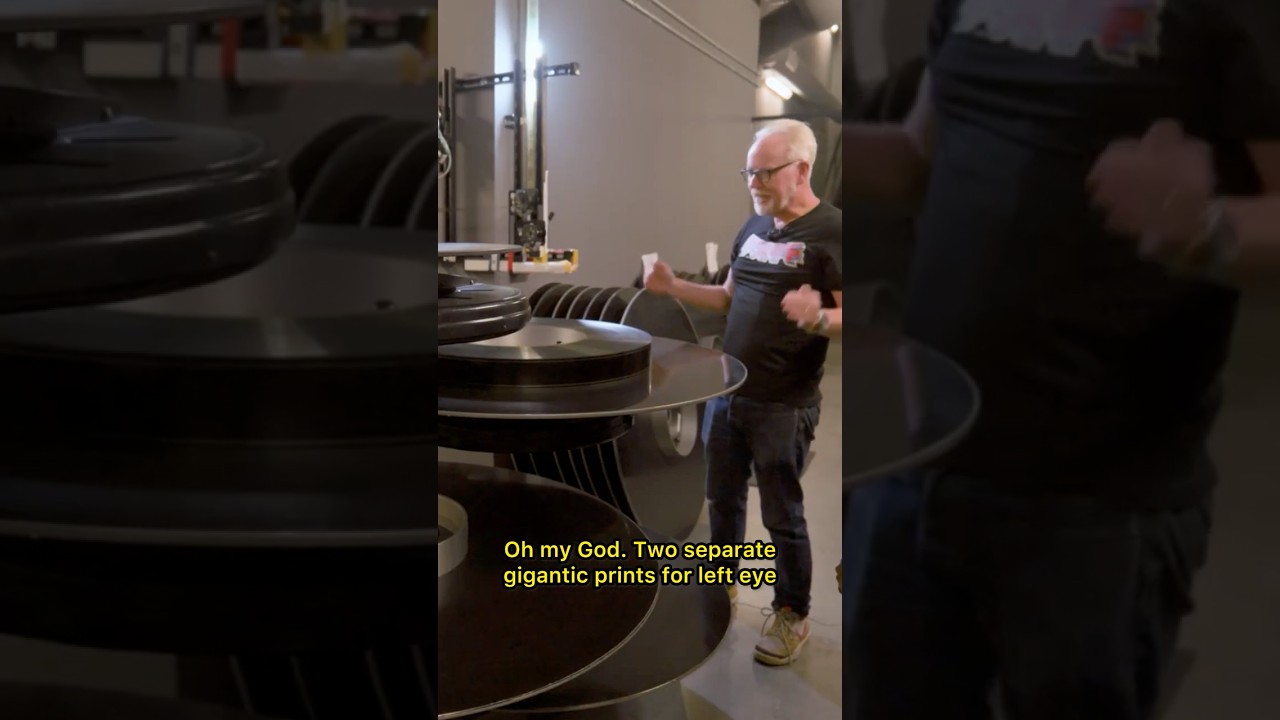
On the events front, Pierpaolo Spollon was confirmed as the host for Rome’s May Day Concert, and the Italian reality show Pechino Express announced its next leg in Japan. Meanwhile, Adam Savage took viewers inside IMAX’s 70mm film vaults, highlighting the enduring physicality of cinematic technology.
Why It Matters
The convergence of technological, political, and entertainment developments underscores the complexity of today’s media landscape. The erosion of press freedom is not just a product of traditional censorship but is now intertwined with platform policies and AI-driven disinformation, raising urgent questions about the future of reliable information.
The ongoing popularity of unofficial streaming sites demonstrates persistent consumer demand for accessible content, even as risks to intellectual property and cybersecurity mount. Meanwhile, the revelation of coordinated AI messaging campaigns signals that influence operations are becoming more sophisticated and difficult to detect, potentially shaping public opinion on critical technological issues.
Entertainment and pop culture serve as both a reflection of and a lens into broader media trends, from the nostalgic preservation of film to the global exchange of creative content.
Key Stats
- RSF’s 2026 index: Over 50% of countries now rated “difficult” or worse for press freedom—the worst in 25 years.
- Hurawatch and 9anime: Both platforms offer free high-definition streaming, serving millions of users globally without subscriptions.
- IMAX 70mm film: A single 3-hour film print can weigh up to 600 lbs, illustrating the scale of traditional cinema technology.
- Paramount+: Yellowstone saga headlines May releases, reflecting continued investment in franchise storytelling.
- Build American AI: Nonprofit linked to major Silicon Valley figures funding multi-platform influence campaigns.
What’s Next
Expect continued scrutiny of tech platforms’ roles in shaping news and public discourse, especially as AI-generated content and influence campaigns become more prevalent and sophisticated. Regulatory bodies and civil society groups are likely to increase pressure on both platforms and governments to address the dual threats of censorship and disinformation.
In the streaming space, competition between official and unofficial services is intensifying. Studios may respond with more aggressive legal action or by expanding their own offerings to meet consumer demand for access and customization.
Culturally, the blending of global content—whether through anime, documentaries, or reality shows—will continue to shape media consumption patterns. Meanwhile, the persistence of traditional technologies like IMAX film stands as a reminder that not all innovation is digital.