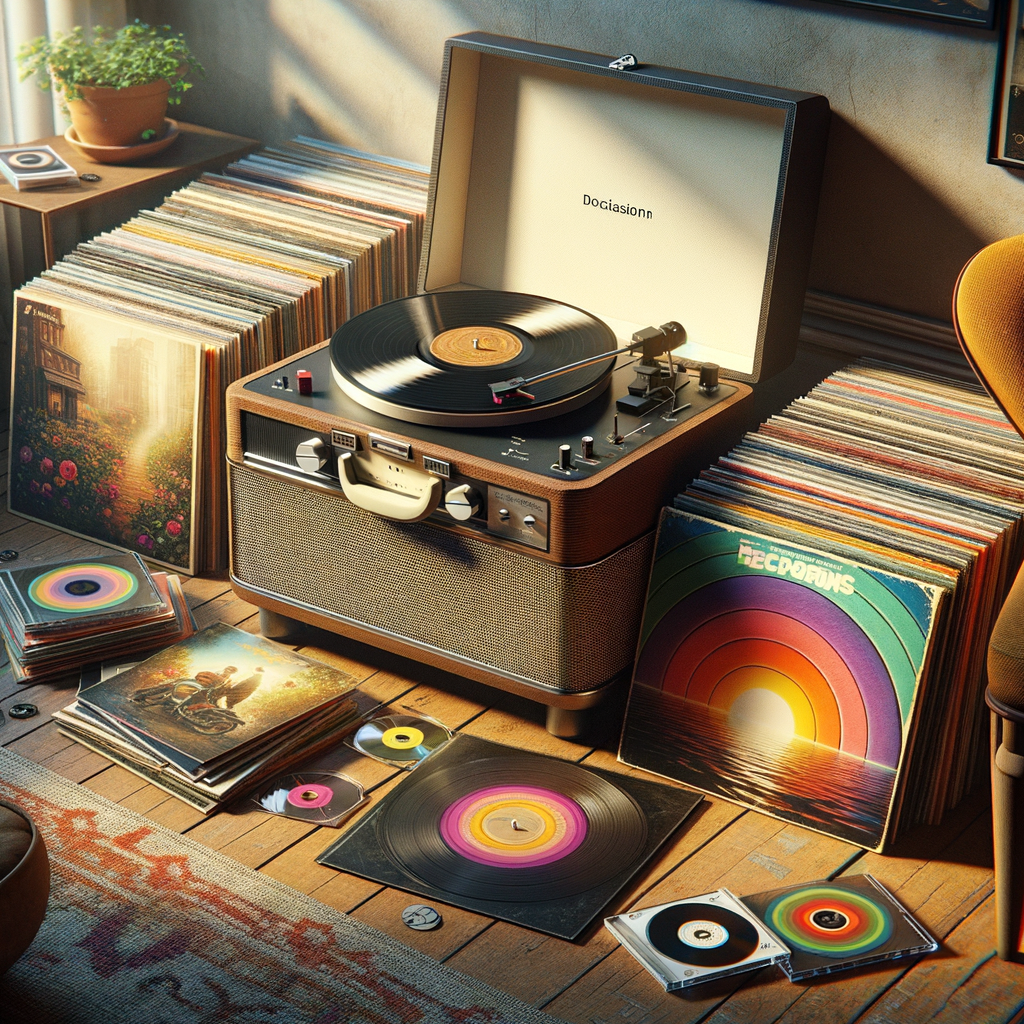
Vinyl vs. CDs: The Retro Collector’s Dilemma—Which Format Offers More Joy?
Today’s Lifestyle & Wellbeing news explores the ongoing debate between vinyl records and compact discs (CDs) as collectible retro music formats. Enthusiasts and newcomers alike are rediscovering physical media, but the question remains: which format truly delivers the most rewarding collecting experience?
What Happened
The resurgence of both vinyl and CDs has sparked a renewed interest in physical music collecting. Over the past decade, vinyl records have enjoyed a dramatic comeback, not just for their nostalgic value but for the sensory and ritualistic experiences they offer. Meanwhile, CDs, once the dominant music format of the late 20th century, are seeing a modest revival among younger collectors seeking affordability and rarity.
The Hunt
Collectors are drawn to both formats for the thrill of the chase. Record stores, estate sales, and online marketplaces offer treasure troves of albums and singles. For vinyl, the hunt is often about discovering obscure pressings, limited editions, and classic album art. CD collectors focus on out-of-print releases, special editions, and bonus track inclusions that never made it to streaming services.
The Artwork
Vinyl’s expansive 12-inch sleeves provide a canvas for iconic album art and liner notes, making each record a tactile piece of music history. CDs, with their smaller jewel cases, offer less visual impact but sometimes surprise collectors with unique booklets, photography, and packaging innovations from the '90s and early 2000s.
The Ritual
The act of playing vinyl is a multi-step process—from sliding the record out, cleaning it, cueing up the needle, and flipping the album. This ritual fosters a deeper connection to the music, encouraging listeners to engage with entire albums. By contrast, CDs offer convenience and fidelity but lack the tangible, hands-on experience that vinyl delivers.
The Sound
Many audiophiles argue that vinyl provides a “warmer,” more authentic sound compared to the clarity and precision of CDs. This distinction is partly due to the analog nature of records and the subtle imperfections that add character to each playback. CDs, being digital, promise consistent quality but are perceived as less distinctive by some collectors.
Why It Matters
The renewed interest in retro music formats reflects a broader cultural shift toward slower, more intentional forms of media consumption. For many, collecting vinyl or CDs offers a break from the ephemerality of streaming and digital playlists. Beyond nostalgia, the physicality of these formats fosters a sense of ownership, community, and deeper appreciation for music as an art form. Vinyl, with its rich sensory appeal, continues to lead this movement, but CDs are carving out a niche among collectors who value affordability and accessibility.
Key Stats
- Vinyl sales exceeded 45 million units globally in 2025, marking the highest number since the late 1980s.
- CD sales grew by 8% year-over-year in 2025, reversing a decade-long decline.
- 62% of vinyl buyers list artwork and packaging as a primary reason for their purchases.
- The average price of a collectible vinyl record is $28, compared to $12 for a collectible CD.
What's Next
As streaming remains the dominant way people consume music, the appeal of physical formats is likely to remain a passionate niche. Vinyl is expected to maintain its cultural cachet, with artists and labels continuing to offer limited runs and exclusive artwork. The CD revival may grow modestly, propelled by affordability and the desire for tangible media. Collectors will keep driving demand for both formats, but the ritual and artistry of vinyl ensure its place as the most rewarding format for those who value the full sensory experience of music collecting.