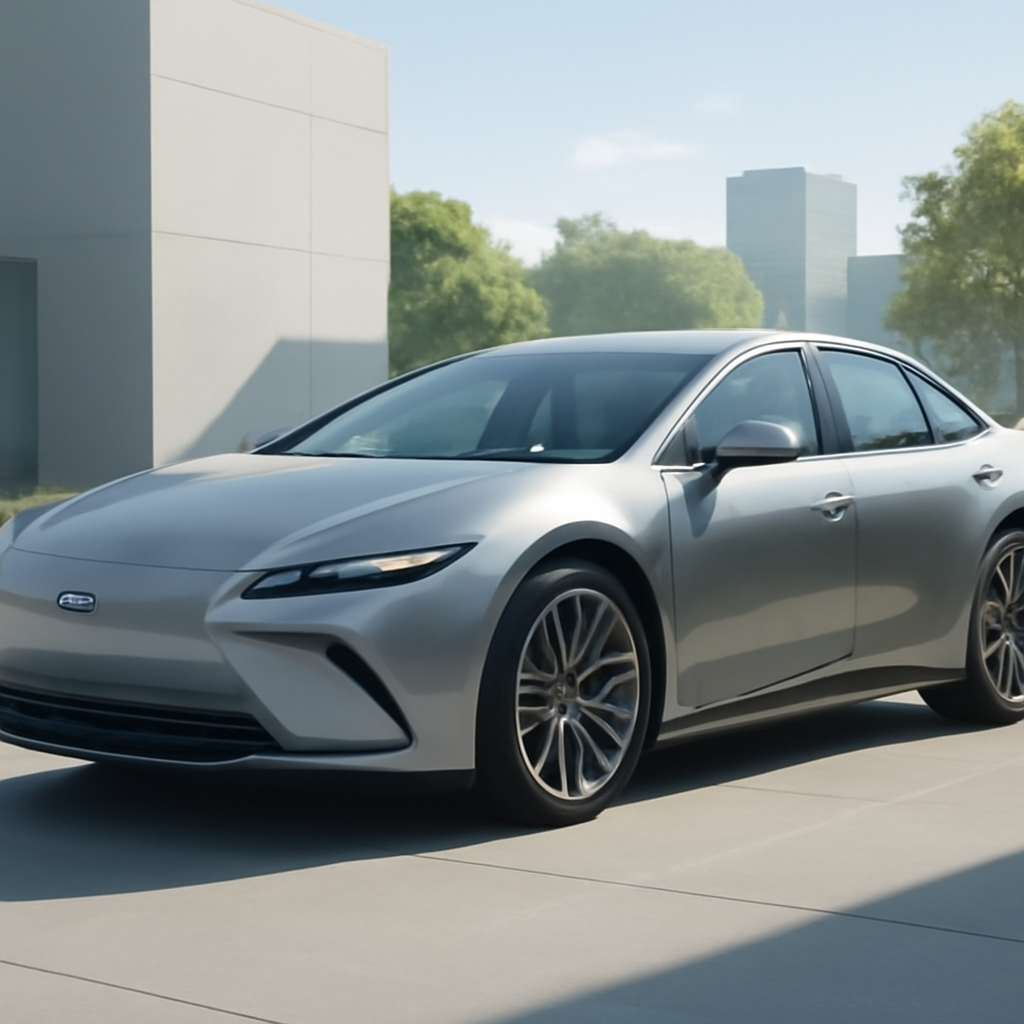
Lexus’ Electric Sedan Undercuts Its Hybrid Sibling: A New Chapter in EV Pricing
For years, the narrative in the automotive industry has been consistent: electric vehicles (EVs) cost more upfront than their hybrid or gasoline-powered counterparts. But Lexus’ newly announced electric sedan is disrupting that storyline, arriving with a price tag lower than its own hybrid version.
What Happened
On July 11, 2026, Lexus unveiled its latest electric sedan, revealing a base price that comes in below the brand's comparable hybrid model. This pricing strategy marks a significant shift for both Lexus and the broader EV market, where higher initial costs have often slowed mass adoption. The company’s move is seen as a direct response to evolving battery technology, supply chain efficiencies, and shifting consumer demand.
According to Lexus, cost reductions in battery production and streamlined manufacturing have enabled the company to offer its electric sedan at a price below that of the hybrid alternative. This is the first time Lexus has positioned an EV as the more affordable option in a model lineup, signaling a potential turning point in the hybrid-versus-EV pricing debate.
Why It Matters
The decision by Lexus to price its electric sedan below its hybrid model could have substantial implications for both consumers and the automotive industry. For buyers, the lower upfront cost removes one of the primary barriers to EV adoption. For competitors, it sets a new benchmark in pricing strategy, potentially accelerating the shift toward electrification across the market.
This move also reflects broader trends, including improvements in battery technology, increased production volumes, and the maturing of electric vehicle supply chains. If other automakers follow suit, the perceived cost gap between hybrids and EVs could rapidly close, reshaping consumer expectations and purchasing decisions.
Key Stats
- Price Comparison: Lexus’ new electric sedan is priced lower than its hybrid equivalent for the first time.
- Cost Drivers: Battery production costs have dropped by over 30% since 2023, according to industry analysts.
- Market Impact: Hybrid vehicles represented 22% of Lexus' sales in 2025, while EVs accounted for 12%.
- Consumer Sentiment: A 2026 survey found 48% of potential buyers cited upfront cost as the main barrier to EV adoption.
What's Next
Lexus’ pricing decision is likely to prompt both consumers and competitors to reassess the hybrid-versus-EV landscape. Other automakers may accelerate plans to bring more affordable EVs to market, potentially leading to increased competition and innovation. For consumers, the lower price point could make EVs a more mainstream choice, especially as incentives and infrastructure continue to improve.
Industry observers will be watching closely to see if this move sparks a broader shift in pricing strategies across the sector, and whether it ultimately helps drive higher EV adoption rates globally.