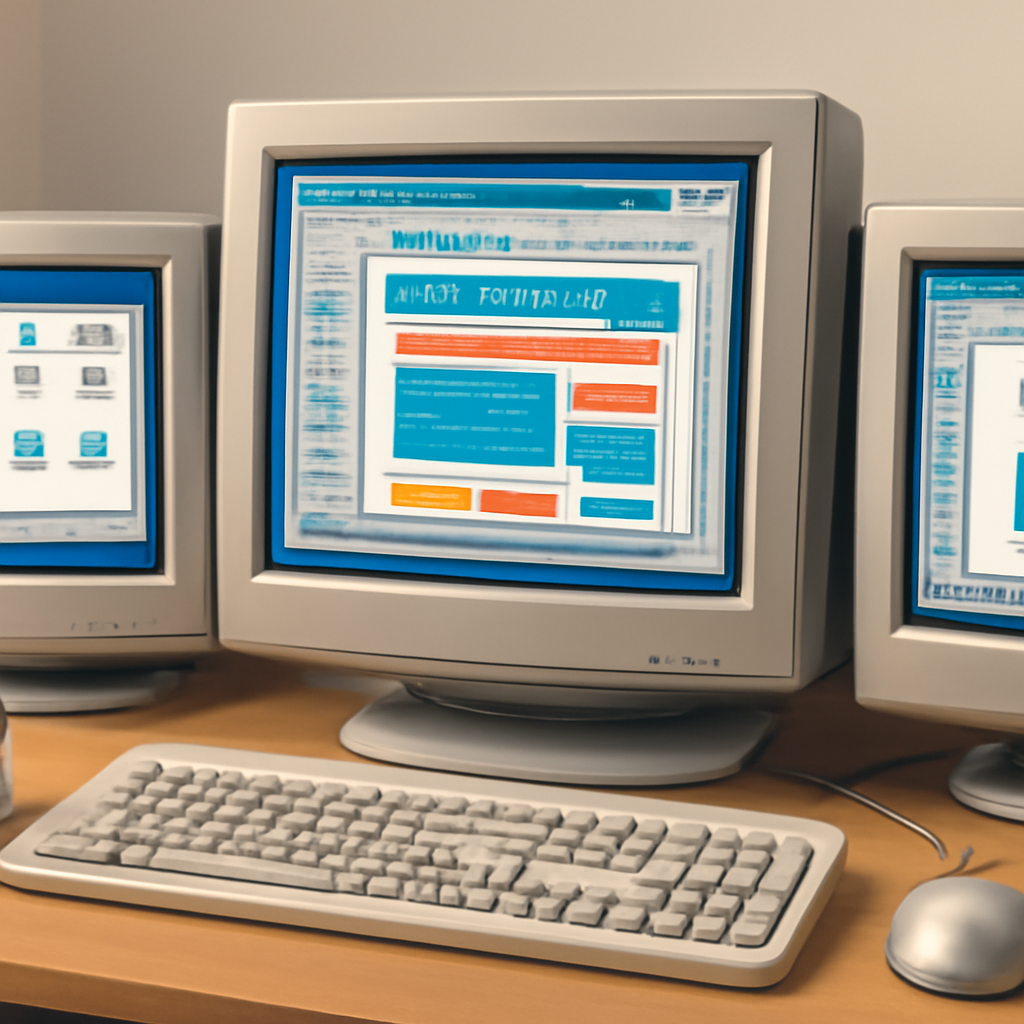
98.css: Bringing Classic UI Design Back to the Future
The digital world often looks forward, but sometimes, a glance back can inspire new creativity. This week, the launch of 98.css, a design system dedicated to faithfully recreating vintage user interfaces, has caught the attention of designers and developers alike. The project aims to provide a comprehensive toolkit for those wanting to evoke the charm and familiarity of classic operating systems in modern web projects.
What Happened
The creators of 98.css have released a new open-source design system focused on enabling the construction of interfaces reminiscent of late-90s operating systems. The system offers a suite of CSS components, themes, and utilities that mimic the look and feel of classic UIs, down to the pixel-perfect details. It’s available for free use and encourages contributions from the community to expand its library and improve authenticity.
The 98.css project provides detailed documentation, pre-built components such as buttons, windows, and menus, and is compatible with most modern frameworks. The system is designed to be lightweight and easy to implement, making it accessible for both hobbyists and professionals seeking a retro aesthetic.
Why It Matters
Interest in retro computing aesthetics has seen a resurgence, both for nostalgic reasons and for the unique usability traits of older interfaces. By offering a standardized, open-source way to implement these designs, 98.css lowers the barrier for incorporating classic UI elements into contemporary projects. This can be particularly useful for education, games, art projects, or even serious applications aiming to stand out with a distinct look.
Beyond aesthetics, the project highlights the enduring influence of design sensibilities from previous decades. The simplicity and clarity of 90s-era interfaces continue to inform best practices in usability and accessibility, making 98.css not just a novelty, but a practical resource for thoughtful design.
Key Stats
- 98.css includes over 20 ready-to-use UI components modeled after 90s operating systems.
- The project is fully open-source under the MIT License, encouraging community contributions.
- Initial release documentation covers integration with React, Vue, and vanilla HTML/CSS.
- Early adopters report that components add less than 10KB to project bundle sizes, keeping sites fast.
What's Next
The 98.css team plans to expand the component library and introduce support for additional frameworks. Community feedback will guide new features, including more customizable themes and accessibility enhancements. As interest grows, the project could become a reference point for retro-inspired design and a teaching tool for understanding the evolution of user interfaces.