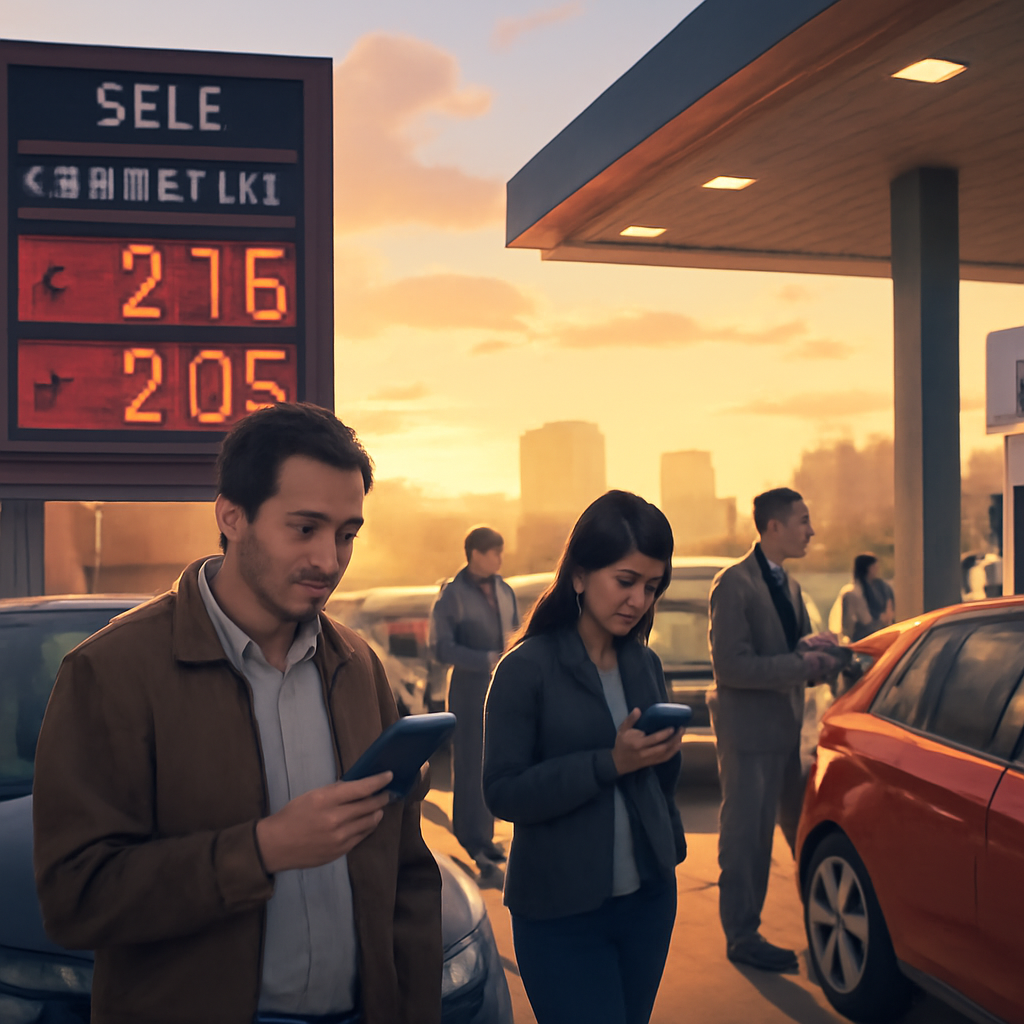
Fuel Prices Surge Amid Global Tensions: Six Practical Tips to Save at the Pump
Intro
Fuel prices have once again taken center stage in the daily lives of motorists across Italy. The latest spike is driven by escalating geopolitical tensions, particularly the renewed conflict between Iran and the United States, which has led to the closure of the critical Strait of Hormuz. In response, the Italian government has stepped in with a new intervention on fuel taxes, but drivers are still feeling the pinch at the pump. This post breaks down what’s happening, why it matters, and offers six practical strategies to help consumers stretch their fuel budget.
What Happened
Over the past week, the Iran-US conflict has intensified, resulting in the strategic Strait of Hormuz being blocked. This chokepoint is vital for global oil shipments, and its closure has triggered immediate price hikes for gasoline and diesel across Europe. In an attempt to ease the burden, the Italian government has enacted a new cut on diesel excise duties. Despite this measure, fuel remains expensive, prompting both consumers and experts to look for effective ways to reduce costs.
A recent article from Startupbusiness.it, citing Adnkronos, outlined six actionable tips for motorists to mitigate the impact of soaring fuel prices. These range from adopting fuel-efficient driving habits to leveraging digital tools that help locate the cheapest fuel stations.
Why It Matters
Fuel prices have a direct impact on household budgets, transportation costs, and the broader economy. When geopolitical instability disrupts supply, consumers often feel the effects immediately. The situation highlights the vulnerability of energy markets to global events and underscores the importance of both policy intervention and individual action. With many Italians reliant on private vehicles for daily commuting and travel, practical advice for saving at the pump is more valuable than ever.
Key Stats
- The Strait of Hormuz is responsible for the transit of about 20% of global oil shipments.
- Gasoline and diesel prices in Italy have risen by over 10% since the start of the conflict.
- The government’s latest excise duty cut has reduced diesel prices by approximately €0.07 per liter.
- Consumer surveys indicate that nearly 70% of Italians are actively seeking ways to reduce fuel consumption.
What's Next
While the government’s tax intervention offers some relief, the situation remains volatile as geopolitical tensions continue. Experts suggest that further price fluctuations are likely in the coming weeks. Motorists are encouraged to adopt fuel-saving strategies, such as smoother driving, regular vehicle maintenance, and using mobile apps to find the lowest prices nearby. Policymakers may also consider additional measures if the crisis persists. For now, staying informed and proactive is the best approach for consumers facing an uncertain fuel market.