Dorm Room Dilemmas and Budget Thrills: Today’s Lifestyle & Wellbeing Recap
What Happened
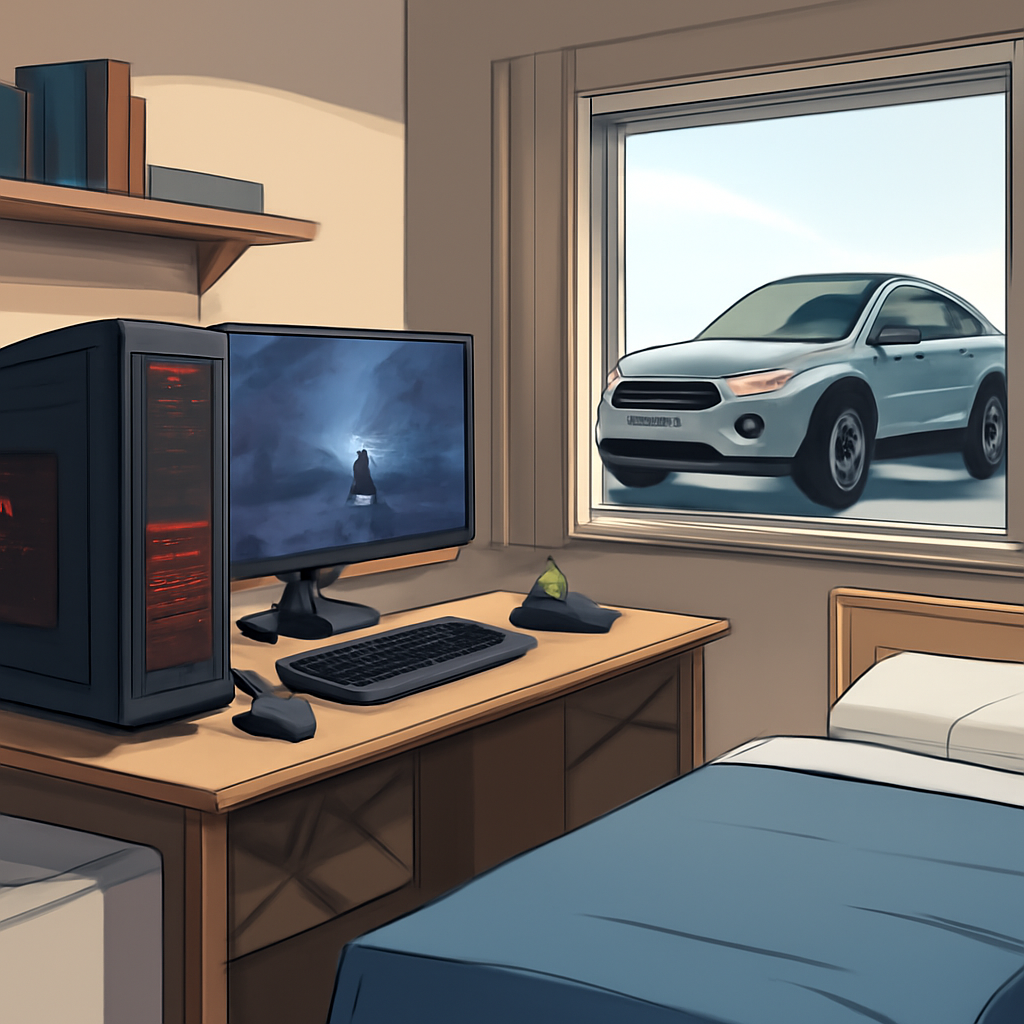
Two trends caught our attention today in the lifestyle and wellbeing space. First, college students are rethinking the wisdom of lugging high-powered gaming desktops into increasingly compact dorm rooms. The combination of large hardware, increased energy usage, heat, and noise is reshaping campus life for gamers and their roommates alike. Meanwhile, in the automotive world, a discontinued 276-horsepower hot crossover is making waves in the used market. With prices now matching or undercutting those of new economy compacts like the Toyota Corolla, this quirky, performance-driven crossover is challenging the notion that buying new is always the smarter choice.
Why It Matters
For students, the decision to bring a gaming desktop to college is no longer just about performance. Space constraints, utility costs, and communal living are prompting a reassessment of what tech belongs in the dorm. The shift could influence how hardware makers design future products for the college market.
On the automotive front, the plummeting price of a discontinued but sporty crossover highlights shifting consumer priorities. As buyers seek more excitement and value, the used car market is becoming a playground for unconventional options. This trend may influence both new car sales and how automakers position future models.
Key Stats
- Average college dorm room size in the US: 130 square feet
- High-performance gaming desktops can draw 600+ watts under load
- Used 276-HP crossover now selling for under $25,000, compared to $25,500 for a base new Toyota Corolla
- Fan noise from gaming rigs can exceed 40 decibels, impacting shared living spaces
What's Next
Expect more students to opt for compact, energy-efficient laptops or cloud gaming solutions as awareness of dorm limitations grows. Hardware makers may respond with smaller, quieter desktop designs targeting campus life. In the auto sector, expect continued interest in high-value used performance vehicles, potentially pushing automakers to revisit discontinued models or introduce new affordable enthusiast options. Both trends underscore a broader reevaluation of how consumers balance practicality, performance, and cost.